
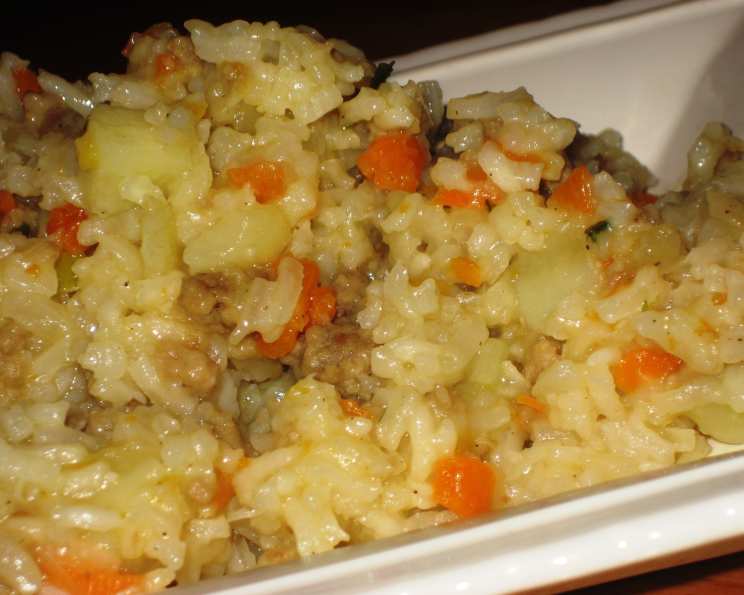
A Taste of Uruguay: Comforting and Hearty Rice Empanadas
There’s a particular magic to recipes that arrive unexpectedly, like a whispered secret from a faraway land. My journey into the heart of Uruguayan cuisine began with a chance encounter with a recipe for what they call “rice empanadas,” though this version, adapted from my own experiences, leans more towards a hearty skillet dish, a comforting embrace on a cool evening. The original recipe I encountered spoke of ground round for a leaner touch, a wise alteration I embraced wholeheartedly. It’s this spirit of thoughtful adaptation, of taking a beloved classic and making it one’s own, that truly fuels my passion in the kitchen. This particular dish, with its humble ingredients and deeply satisfying results, has become a cherished part of my culinary repertoire, a testament to the simple, profound joys that food can bring.
Recipe Overview
- Prep Time: 20 minutes
- Cook Time: 1 hour 20 minutes
- Total Time: 1 hour 40 minutes
- Servings: 4-6
- Yield: 1 large skillet dish
- Dietary Type: Adaptable (Beef or Vegetable Broth)
Ingredients
This recipe celebrates the beauty of simple, wholesome ingredients coming together to create something truly special.
- 1 cup uncooked rice (long-grain white rice works beautifully here)
- 1/2 teaspoon chopped parsley (fresh or dried, though fresh offers a brighter flavor)
- 1 lb ground round (a leaner choice that ensures the dish isn’t overly greasy)
- 1 garlic clove, finely chopped
- 2 carrots, peeled and chopped into small, bite-sized pieces
- 2 cups beef broth (or 2 cups vegetable broth for a vegetarian option)
- 2 medium potatoes, peeled and chopped into medium-sized cubes
- 1 medium onion, chopped
- 1 teaspoon pepper (freshly ground black pepper is always preferred for its aroma)
- 1 tablespoon olive oil
Equipment Needed
You won’t need any fancy gadgets for this rustic dish. A few everyday kitchen staples will do the trick:
- A large, non-stick skillet with a lid is essential for sautéing and simmering.
- A cutting board and a sharp knife for all your chopping needs.
- Measuring cups and spoons for accurate ingredient proportions.
Instructions
The beauty of this Uruguayan rice dish lies in its straightforward preparation. It’s a one-pan wonder that builds flavor layer by layer.
- Begin by heating the olive oil in your large non-stick skillet over medium heat. Add the chopped onion and chopped garlic clove. Sauté these aromatics until they become fragrant and translucent, usually about 3-5 minutes. This step is crucial for building the foundational flavor of the dish.
- Introduce the ground round to the skillet. Break it up with your spoon and brown it well, ensuring there are no pink bits remaining. This process renders some of the fat and creates delicious browned bits on the bottom of the pan, which will add depth to the final dish.
- Now, it’s time to add the rice. Stir the uncooked rice into the browned meat and sauté for about a minute, allowing it to toast slightly. This step helps the rice grains remain separate during cooking.
- Next, incorporate the chopped carrots, chopped parsley, and the beef broth (or vegetable broth). Season with the pepper. Stir everything together thoroughly to ensure all ingredients are well combined.
- Bring the mixture to a rolling boil, stirring occasionally. This initial boil helps to activate the cooking process for the rice and vegetables.
- Once boiling, lower the heat to a gentle simmer. Cover the skillet with a tight-fitting lid and let it simmer for 20 minutes. During this time, the rice will begin to absorb the liquid and cook.
- After 20 minutes, carefully add the chopped potatoes to the skillet. Stir them in gently, making sure they are submerged in the liquid as much as possible.
- Continue cooking the dish, covered, until the potatoes are tender. This will take approximately one hour. You can check for tenderness by piercing a potato piece with a fork; it should yield easily. Resist the urge to stir too frequently, as this can make the rice mushy.
Expert Tips & Tricks
As a chef, I always look for ways to elevate a dish, even a simple one. Here are a few thoughts to make your Uruguayan rice even more delightful:
- Broth Quality Matters: Using a good quality beef or vegetable broth will significantly impact the final flavor. If you have homemade broth, now is the perfect time to use it!
- Don’t Over-Stir: While you need to stir occasionally to prevent sticking, excessive stirring, especially after adding the potatoes, can break them down and create a less appealing texture.
- Resting Period: Once the potatoes are tender and the dish is cooked, let it rest, covered, off the heat for about 5-10 minutes. This allows the flavors to meld and the starches to settle, resulting in a more cohesive dish.
- Vegetable Boost: For an extra layer of flavor and nutrients, consider adding other diced vegetables like bell peppers or peas during the last 20 minutes of cooking.
Serving & Storage Suggestions
This hearty Uruguayan rice dish is a meal in itself, perfect for a comforting weeknight dinner.
Serve it hot, directly from the skillet, perhaps garnished with a little extra fresh parsley for a pop of color and freshness. It pairs wonderfully with a simple green salad to provide a refreshing counterpoint to the richness of the dish.
Leftovers can be stored in an airtight container in the refrigerator for up to 3-4 days. To reheat, gently warm it in a skillet over low heat with a splash of water or broth to prevent it from drying out, or microwave it until heated through.
Nutritional Information
Here’s an estimated nutritional breakdown for a serving of this delicious dish. Please note that these are approximate values and can vary based on specific ingredients and portion sizes.
| Nutrient | Amount per Serving | % Daily Value |
|---|---|---|
| Calories | 585 kcal | 29% |
| Total Fat | 22 g | 28% |
| Saturated Fat | 7 g | 35% |
| Cholesterol | 65 mg | 22% |
| Sodium | 550 mg | 24% |
| Total Carbohydrate | 65 g | 24% |
| Dietary Fiber | 5 g | 18% |
| Sugars | 5 g | 10% |
| Protein | 30 g | 60% |
*Percent Daily Values are based on a 2,000 calorie diet.
Variations & Substitutions
While this recipe is wonderful as is, it’s also a fantastic canvas for your creativity:
- Spice it Up: For those who enjoy a little heat, a pinch of red pepper flakes added with the pepper can provide a welcome kick.
- Heartier Meat: If you prefer a richer flavor, you could substitute the ground round with ground beef or even a mix of beef and pork.
- Herb Garden: Feel free to experiment with other dried or fresh herbs like thyme or rosemary, which complement the savory flavors beautifully.
- Vegetarian Delight: As mentioned, using vegetable broth and omitting the meat makes this a robust vegetarian meal. You could also add cooked lentils or chickpeas for added protein.
FAQs
Q: Can I use a different type of rice?
A: While long-grain white rice is recommended for its texture and ability to absorb liquid evenly, you could experiment with brown rice, though it will require a longer cooking time and potentially more liquid.
Q: My potatoes are still hard after an hour. What should I do?
A: If your potatoes are not tender after an hour, continue simmering on low heat, checking every 10-15 minutes. Ensure the lid is on tightly to trap steam. You may need to add a little more broth or water if the liquid has evaporated too much.
Q: Can I make this dish ahead of time?
A: Yes, this dish reheats well. You can prepare it fully and store it in the refrigerator, then gently reheat it on the stovetop or in the microwave.
Q: What’s the best way to chop the vegetables?
A: Aim for relatively uniform, bite-sized pieces for both the carrots and potatoes. This ensures they cook evenly.
Q: Why is it sometimes called a “rice empanada” if it’s not baked in a pastry?
A: The term “empanada” in Uruguay can sometimes refer to a wider variety of stuffed or layered dishes, and this hearty rice and meat mixture is reminiscent of the filling found in traditional empanadas, even without the pastry crust.
Final Thoughts
This Uruguayan rice dish is more than just a recipe; it’s an invitation to slow down, to savor the simple pleasures of a home-cooked meal. It’s the kind of dish that fills your kitchen with a comforting aroma and warms you from the inside out. I encourage you to gather your ingredients, embrace the process, and let the flavors transport you. Whether you’re sharing it with loved ones or enjoying it as a solo culinary adventure, I hope this recipe brings as much joy to your table as it has to mine. Perhaps it will become a beloved tradition in your own home, a testament to the enduring power of good food to connect us.