
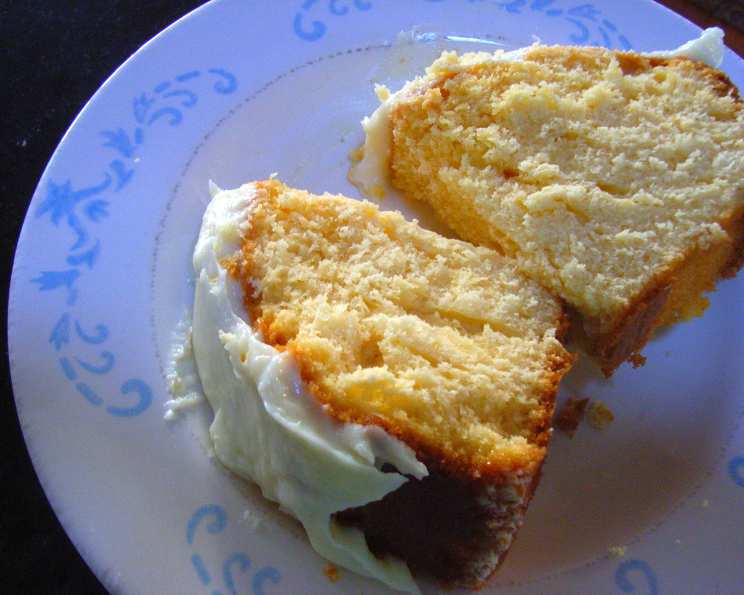
The Unassuming Charm of Rich Custard Butter Cake
There are certain recipes that, by their very nature, whisper tales of comforting kitchens and cherished gatherings. This Rich Custard Butter Cake is one such treasure. I remember my grandmother baking this every so often, its sweet, warm aroma filling our home, a promise of simple, unadulterated joy. It wasn’t a showstopper in the flamboyant sense, but its honest, deeply satisfying flavour and tender crumb were the true stars. The magic, I later learned, lay in the humble addition of custard powder, transforming a standard butter cake into something altogether more decadent and memorable, yet remarkably approachable.
Recipe Overview
- Prep Time: 15 minutes
- Cook Time: 1 hour
- Total Time: 1 hour 15 minutes
- Servings: 12
- Yield: 1 cake
- Dietary Type: Contains Dairy, Eggs, Gluten
Ingredients
This cake relies on a straightforward list of pantry staples, elevated by the inclusion of custard powder. The key is to ensure your butter is truly soft – this will make the mixing process much smoother and contribute to a better cake texture.
- 1 ¼ cups self-raising flour
- 1 cup caster sugar
- ¼ cup custard powder
- 1 cup milk
- 2 eggs
- 125 g very soft butter
- 1 teaspoon vanilla extract
- ¼ teaspoon bicarbonate of soda
Equipment Needed
For this delightfully simple cake, you won’t need a barrage of specialized tools. The essentials are:
- A large mixing bowl
- An electric mixer (handheld or stand mixer) or a robust whisk and some elbow grease
- A 20cm x 20cm square cake tin
- Baking parchment (for lining the tin)
- A wire cooling rack
Instructions
The beauty of this Rich Custard Butter Cake lies in its simplicity. The method is incredibly forgiving, designed to produce a moist, flavourful cake with minimal fuss.
- Preheat Your Oven: Begin by preheating your oven to 170 degrees Celsius. This ensures the oven is at the correct temperature when your cake is ready to bake, promoting even cooking and a good rise.
- Prepare the Tin: Next, grease and line your 20cm x 20cm square cake tin with baking parchment. This step is crucial for preventing the cake from sticking and will make it a breeze to remove once baked.
- Combine Ingredients: Now, gather all the specified ingredients and place them into a large bowl. The beauty of this recipe is that it’s largely a one-bowl affair, minimizing washing up.
- Beat the Batter: Using an electric mixer on high speed, beat the mixture for 2 to 3 minutes. Continue beating until the ingredients are well combined and the batter has transformed into a thick, light, and creamy colour. This vigorous mixing incorporates air, which will help the cake rise and achieve a tender crumb.
- Pour and Bake: Pour the thick batter into the prepared tin, spreading it evenly with a spatula. Bake in the preheated oven for 1 hour.
- Check for Doneness: To check if your cake is ready, insert a skewer or toothpick into the center. If it comes out clean, the cake is perfectly baked. If there’s any wet batter clinging to it, continue baking for a few more minutes and test again. Be mindful not to overbake, as this can lead to a dry cake.
- Cooling: Once baked, remove the cake from the oven and let it cool in the tin for about 10-15 minutes before carefully inverting it onto a wire cooling rack to cool completely. Allowing it to cool in the tin initially helps it set.
Expert Tips & Tricks
This cake is a wonderful base, and a few small adjustments can elevate it further.
- Butter Softness is Key: I cannot stress enough the importance of the butter being very soft. It should be spreadable, almost like a thick cream. If it’s too cold, it won’t emulsify properly with the other ingredients, potentially leading to a denser cake. If you forget to take your butter out of the fridge in time, you can gently warm it in the microwave for short bursts (10-15 seconds), stirring in between, until it reaches the right consistency.
- Custard Powder Quality: While most custard powders will work, using a good quality one will ensure a richer, more pronounced custard flavour and colour.
- Don’t Overmix Once Flour is Added: While the initial beating is important for aeration, once the flour is incorporated, it’s best to mix only until just combined. Overmixing after adding flour can develop the gluten too much, resulting in a tougher cake.
- Oven Temperature Variations: Ovens can be notoriously inconsistent. If you find your cakes tend to brown too quickly on top, you can loosely tent the cake with foil during the last 20-30 minutes of baking. Conversely, if it seems to be taking too long, your oven might be running cooler.
Serving & Storage Suggestions
This Rich Custard Butter Cake is a delight served simply on its own, allowing its comforting flavours to shine.
- Serving: It is wonderful served warm or at room temperature. A light dusting of icing sugar or a simple glaze made from icing sugar and a touch of milk or lemon juice can add a lovely finishing touch. For a truly decadent experience, serve it with a dollop of whipped cream or a scoop of good quality vanilla ice cream.
- Storage: Once completely cool, store the cake in an airtight container. At room temperature, it should remain fresh for 2-3 days. If you live in a warm climate or want it to last longer, refrigerating it will extend its freshness to up to 5 days. To reheat, gently warm slices in a low oven or microwave.
Nutritional Information
(Please note: Nutritional information is an estimate and can vary based on specific ingredients used.)
| Nutrient | Amount per Serving | % Daily Value |
|---|---|---|
| Calories | 212.1 kcal | |
| Calories from Fat | ||
| Total Fat | 10.1 g | 15% |
| Saturated Fat | 6.1 g | 30% |
| Cholesterol | 56.1 mg | 18% |
| Sodium | 122.4 mg | 5% |
| Total Carbohydrate | 27.7 g | 9% |
| Dietary Fiber | 0.3 g | 1% |
| Sugars | 16.8 g | 67% |
| Protein | 3.1 g | 6% |
Variations & Substitutions
While this recipe is classic for a reason, there are always ways to put your own spin on it.
- Citrus Zest: For a brighter flavour, add the zest of one lemon or orange to the batter along with the other wet ingredients. The citrus oils complement the richness of the butter and custard beautifully.
- Chocolate Chips: Fold in ½ cup of chocolate chips (milk, dark, or white) before pouring the batter into the tin for a chocolatey twist.
- Nutty Crunch: Add ½ cup of chopped nuts, such as walnuts or pecans, for added texture and flavour.
- Vanilla Bean: If you have a vanilla bean, scrape the seeds from half of it and add them to the batter instead of vanilla extract for a more intense vanilla aroma and flavour.
FAQs
Q: Why is my custard butter cake dense?
A: A dense cake can often be a result of overmixing the batter after the flour has been added, or using butter that was too cold. Ensure your butter is very soft and mix only until just combined once the flour is in.
Q: Can I use regular milk instead of whole milk?
A: Yes, you can use any milk you have on hand, such as semi-skimmed or skimmed. However, whole milk will contribute to a richer, more tender crumb due to its higher fat content.
Q: How do I ensure the cake bakes evenly?
A: Preheating your oven correctly and using the recommended temperature are key. Ensure your oven is calibrated if you suspect it runs hot or cold. Avoiding opening the oven door too frequently during baking also helps maintain an even temperature.
Q: Can I make cupcakes with this recipe?
A: Absolutely! This batter would make delicious custard butter cupcakes. Fill cupcake liners about two-thirds full and reduce the baking time to approximately 20-25 minutes, or until a skewer inserted comes out clean.
Q: What is the purpose of bicarbonate of soda in this recipe?
A: Bicarbonate of soda (baking soda) acts as a leavening agent, helping the cake to rise and become lighter in texture, particularly when combined with acidic ingredients (though in this recipe, its primary role is to boost the rise initiated by the self-raising flour).
Final Thoughts
The Rich Custard Butter Cake is more than just a recipe; it’s an invitation to slow down, to savour the simple pleasures, and to create a little bit of homemade magic. Its unassuming nature belies a depth of flavour that is both comforting and utterly delightful. Whether you’re a seasoned baker or just starting your culinary journey, this cake is a rewarding project that will undoubtedly bring smiles and satisfied sighs to your table. Serve it with a cup of tea or a glass of milk, and let the gentle sweetness wrap you in a warm embrace. I encourage you to give it a try and discover its humble, yet profound, charm for yourself.