
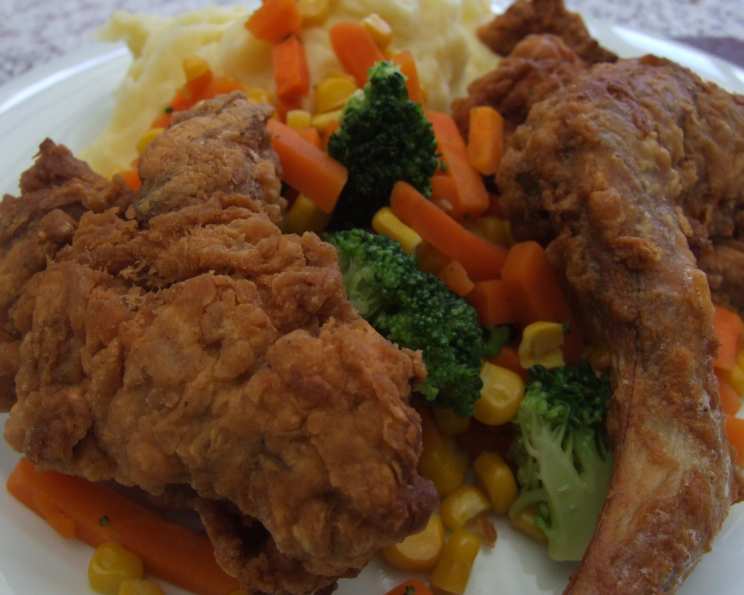
Rick’s Fried Rabbit: A Taste of the Wild, Elevated
There’s a certain primal satisfaction that comes from preparing and enjoying game meat. My own journey with wild game began not in a bustling kitchen, but under the watchful eye of my father, a man who understood the land and its bounty intimately. The scent of woodsmoke and the memory of him carefully cleaning a freshly harvested rabbit are etched into my culinary soul. This recipe, passed down from my dad, isn’t just about frying a rabbit; it’s about honoring tradition, coaxing incredible flavor from nature’s offering, and creating a dish that’s both rustic and remarkably refined. It’s a taste that transcends mere sustenance, speaking to generations of hunters and home cooks who’ve found delight in this humble, yet extraordinary, ingredient.
Recipe Overview
- Prep Time: 30 minutes (plus cooling time)
- Cook Time: Approximately 30-45 minutes (per batch)
- Total Time: 1 hour 25 minutes (plus cooling time)
- Servings: 2-4 (depending on appetite)
- Yield: 1 whole rabbit
- Dietary Type: Classic, can be adapted
Ingredients
This recipe focuses on a simple, effective preparation that lets the natural flavor of the rabbit shine through.
- 1 whole rabbit, expertly cut up into serving pieces
- 2 tablespoons salt (for the parboiling liquid)
- 3 eggs
- 2 cups all-purpose flour
- ½ teaspoon salt (for the flour dredge)
- ¼ teaspoon black pepper (freshly ground, for the flour dredge)
Equipment Needed
While this recipe is relatively straightforward, a few key pieces of equipment will ensure success:
- A large pot for parboiling
- A medium bowl for beating eggs
- A shallow plate or dish for the flour mixture
- A large cast-iron frying pan (essential for even heat distribution and that perfect crust)
- Tongs for handling the rabbit pieces
- Paper towels for draining
- A wire rack set over a baking sheet for cooling (optional, but recommended)
Instructions
The process for Rick’s Fried Rabbit is a testament to thoughtful preparation, beginning with a crucial parboiling step that tenderizes the meat and prepares it for its final, crispy transformation.
- Begin by preparing your rabbit. Ensure it is cut up into manageable serving pieces.
- In a large pot, fill it about halfway with water. Add the 2 tablespoons of salt to the water and bring it to a rolling boil over high heat.
- Carefully add the rabbit pieces to the boiling salted water. Parboil the rabbit for 1 ½ hours. This extended cooking time is key to ensuring the rabbit becomes tender before frying.
- Once the parboiling is complete, drain the rabbit pieces thoroughly and allow them to cool. This step is important to prevent splattering in hot oil and to allow the flour coating to adhere better.
- While the rabbit is cooling, prepare your dredging station. In a medium bowl, beat the 3 eggs until well combined.
- On a plate or in a shallow dish, combine the 2 cups of flour with the ½ teaspoon of salt and ¼ teaspoon of pepper. Whisk these dry ingredients together until they are evenly distributed.
- Now, it’s time to coat the rabbit. Take each cooled rabbit piece, one at a time, and first dip it into the beaten eggs, ensuring it is fully coated.
- Next, transfer the egg-coated piece to the flour mixture. Press gently to ensure a good, even coating of seasoned flour. Set the coated pieces aside and repeat with the remaining rabbit.
- In your large cast-iron frying pan, add about ½ inch of oil. Place the pan over high heat to bring the oil up to temperature.
- Once the oil is hot, turn the heat down to medium. Carefully add the floured rabbit pieces to the hot oil, one at a time. Be mindful not to overcrowd the pan, as this will lower the oil temperature and result in greasy, less crispy rabbit. You may need to fry in batches.
- Allow the first side of the rabbit pieces to cook until it is golden brown. Using tongs, flip each piece over to expose the other side.
- Continue to cook until the second side is also golden brown and crispy. The exact cooking time will vary depending on the size of the rabbit pieces and the heat of your oil, but aim for a beautiful, even crispness.
- As each piece is perfectly fried, drain it on a plate lined with paper towels. This will absorb any excess grease and help maintain the crispness of the coating.
- Serve the Rick’s Fried Rabbit hot, alongside your favorite side dishes.
Expert Tips & Tricks
- The Parboil is Non-Negotiable: Don’t be tempted to skip or shorten the parboiling time. This step is critical for tenderizing the often-tougher cuts of rabbit and ensuring a succulent interior after frying.
- Achieving the Perfect Crust: For an extra-crispy coating, you can double-dip your rabbit pieces. After the initial egg and flour dip, dip them back into the egg and then into the flour again. Ensure the oil is at the right temperature – too low and it will be greasy, too high and the coating will burn before the inside is heated through.
- Cast Iron is Your Friend: A well-seasoned cast-iron skillet is ideal for frying because it retains heat incredibly well and provides even cooking. If you don’t have one, a heavy-bottomed stainless steel pan will also work.
- Seasoning is Key: Taste your flour mixture before you start dredging. Does it have enough salt and pepper? You can also add a pinch of garlic powder or paprika to the flour for an extra layer of flavor.
- Oil Management: Keep an eye on your oil temperature. If it starts to drop too much when you add the rabbit, increase the heat slightly. If it seems too hot, lower it. Having a thermometer can be a helpful tool here.
Serving & Storage Suggestions
Rick’s Fried Rabbit is best enjoyed immediately, piping hot, with its exterior delightfully crisp. It pairs wonderfully with classic comfort food sides such as creamy mashed potatoes, a fresh green salad with a tangy vinaigrette, or even some cornbread to sop up any lingering juices.
Leftovers, if any, can be stored in an airtight container in the refrigerator for up to 2-3 days. To reheat and recapture some of that initial crispness, your best bet is to use your oven or a toaster oven. Place the rabbit pieces on a baking sheet and reheat at around 350°F (175°C) until warmed through. Microwaving will likely result in a softer, less desirable texture.
Nutritional Information
(Please note: Nutritional information is an estimate and can vary based on the size of the rabbit and the amount of oil absorbed.)
| Nutrient | Amount per Serving | % Daily Value |
|---|---|---|
| Calories | 1131.8 kcal | – |
| Calories from Fat | 576 kcal | – |
| Total Fat | 64 g | 98% |
| Saturated Fat | 17.4 g | 87% |
| Cholesterol | 634.5 mg | 211% |
| Sodium | 15330.9 mg | 639% |
| Total Carbohydrate | 192.3 g | 64% |
| Dietary Fiber | 6.9 g | 27% |
| Sugars | 1.8 g | 2% |
| Protein | 44.8 g | 90% |
Variations & Substitutions
While this recipe is wonderfully traditional, you can certainly adapt it to suit your preferences.
- For a Gluten-Free Option: Substitute the all-purpose flour with a gluten-free all-purpose flour blend. You might find that you need to adjust the amount of liquid or flour slightly for the coating to adhere properly.
- Spice It Up: Add a pinch of cayenne pepper or smoked paprika to the flour mixture for a subtle kick.
- Herbal Infusion: Finely chopped fresh herbs like rosemary or thyme can be incorporated into the flour dredge for an aromatic twist.
- Other Game Meats: As my father mentioned, this recipe is a fantastic template for other wild game. Squirrel, pheasant, quail, and partridge can all be prepared using this method, though cooking times may need slight adjustments based on the size and density of the meat. Frog legs, as he humorously noted, are also a delightful, albeit less common, candidate!
FAQs
Q: Why parboil the rabbit before frying?
A: Parboiling tenderizes the rabbit meat, ensuring it’s cooked through and succulent, while also reducing the frying time needed to achieve a crispy exterior.
Q: How can I tell if the oil is hot enough for frying?
A: You can test the oil by dropping a tiny bit of the flour mixture into it. If it sizzles immediately and floats to the surface, the oil is ready.
Q: Can I use a different type of oil for frying?
A: Yes, any neutral-flavored oil with a high smoke point, such as canola, vegetable, or peanut oil, will work well for frying.
Q: My fried rabbit isn’t very crispy. What went wrong?
A: This could be due to the oil not being hot enough, overcrowding the pan, or not draining the rabbit thoroughly after parboiling. Ensure the oil is at a consistent medium-high heat and fry in batches.
Q: Is rabbit tough to cook?
A: Rabbit can be lean and prone to drying out if overcooked. The parboiling step in this recipe is crucial for ensuring tenderness, and careful frying prevents the meat from becoming tough.
Final Thoughts
Rick’s Fried Rabbit is more than just a recipe; it’s an invitation to experience a piece of culinary heritage. It’s a dish that speaks of patience, skill, and a deep appreciation for the flavors the natural world provides. I encourage you to gather your ingredients, embrace the process, and savor every golden, crispy bite. Serve it with pride, knowing you’re bringing a time-honored tradition to your table, and perhaps, creating some delicious new memories of your own.