
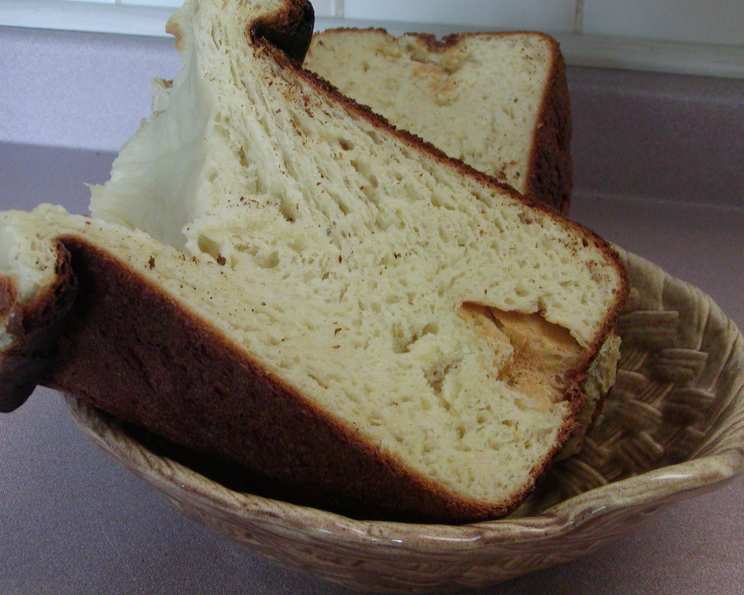
Ricotta Bread: A Silky, Slightly Sweet Loaf for Every Occasion
There are some breads that just feel like a warm hug in edible form, and this Ricotta Bread is undeniably one of them. I first encountered a loaf remarkably similar to this years ago at a small, family-run bakery nestled on a cobblestone street in a little Italian village. The aroma alone was enough to draw me in – a subtle sweetness mingling with a hint of tangy cheese. It wasn’t just bread; it was an experience. That first bite, with its incredibly soft, almost cake-like crumb, has stayed with me ever since. It’s the kind of bread that makes a simple breakfast feel special and elevates even the most casual sandwich into something more refined.
Recipe Overview
- Prep Time: 15 minutes
- Cook Time: 3 hours 10 minutes (includes bread machine cycle)
- Total Time: 3 hours 25 minutes
- Servings: 12
- Yield: 1 loaf
- Dietary Type: Vegetarian
Ingredients
Here’s what you’ll need to create this delightful Ricotta Bread:
- 6 tablespoons milk
- 15 ounces ricotta cheese (whole milk ricotta is recommended for the best texture and flavor)
- 2 tablespoons butter, melted and cooled slightly
- 1 whole egg, lightly beaten
- 1⁄4 cup sugar
- 1 teaspoon salt
- 3 cups bread flour
- 2 1⁄2 teaspoons active dry yeast
Equipment Needed
- Bread machine
- Measuring cups and spoons
- Spatula (for scraping down sides if needed)
Instructions
This recipe is wonderfully straightforward, especially when harnessing the magic of a bread machine. The key to its success lies in the order of ingredients and a little attention in the initial mixing phase.
- Begin by assembling all your ingredients. It’s always a good practice to have everything measured and ready to go before you start.
- Carefully place the ingredients into your bread machine pan. The order is crucial for proper yeast activation and dough formation. Follow this specific layering:
- Start with the ricotta cheese. Do not drain the ricotta; its moisture and fat content are vital to the bread’s tender crumb.
- Add the milk next.
- Pour in the melted and slightly cooled butter.
- Add the lightly beaten egg.
- Sprinkle in the sugar.
- Add the salt.
- Next, carefully measure and add the bread flour, ensuring it creates a complete layer over the wet ingredients.
- Finally, add the active dry yeast on top of the flour. It’s important that the yeast doesn’t come into direct contact with any of the liquid ingredients at this stage, as this can prematurely activate it.
- Secure the bread machine pan into your machine.
- Select the basic cycle on your bread machine.
- As the machine begins its mixing cycle, keep a close eye on the dough for the first few minutes. This ricotta-based dough can sometimes be a bit drier than a standard bread dough. If you notice that the ingredients aren’t fully incorporating and there are dry bits clinging to the sides of the pan, use a spatula to gently scrape them down into the main mass of the dough. This ensures everything is evenly hydrated and kneaded.
- Once the dough has been sufficiently mixed and appears to be coming together well, you can generally leave the machine to complete its cycle undisturbed. The machine will handle the kneading, rising, and baking phases.
- The total baking time for this cycle is typically 3 hours and 10 minutes, but always refer to your bread machine’s manual, as bake times can vary slightly between models.
- Once the bread machine has finished its cycle, carefully remove the bread pan and turn out the loaf onto a wire cooling rack. Allow it to cool completely before slicing. This is essential for achieving the best texture and preventing a gummy interior.
Expert Tips & Tricks
- Ricotta Quality Matters: For the silkiest texture and richest flavor, opt for whole milk ricotta cheese. Lower-fat versions can result in a slightly drier crumb.
- Butter Temperature: Ensure your melted butter has cooled slightly. If it’s too hot, it can affect the yeast’s activity. Just warm enough to be liquid is perfect.
- Scraping Down is Key: Don’t skip the step of scraping down the sides of the bread machine pan if needed. This ensures a uniform dough consistency and a better-baked loaf.
- Cool Completely: Patience is a virtue when it comes to baking. Letting the loaf cool fully on a wire rack allows the internal structure to set, leading to perfect slices.
Serving & Storage Suggestions
This Ricotta Bread is incredibly versatile. For breakfast, it’s sublime served warm with a smear of butter and a drizzle of honey or jam. It also makes an excellent base for avocado toast or a light open-faced sandwich. For a slightly more savory application, consider topping it with a few slices of prosciutto and a sprinkle of fresh herbs.
To store, keep the cooled loaf in an airtight container or bread bag at room temperature for up to 3 days. If you find it beginning to stale, a quick 10-15 second zap in the microwave can revive its softness, or you can toast slices for a delightful crunch. For longer storage, the loaf can be frozen whole or sliced. Wrap it tightly in plastic wrap, then in foil or a freezer bag, for up to 3 months. Thaw at room temperature and reheat gently if desired.
Nutritional Information
Here’s an estimated breakdown of the nutritional content per serving:
| Nutrient | Amount per Serving | % Daily Value |
|---|---|---|
| Calories | 223.8 kcal | |
| Calories from Fat | ||
| Total Fat | 7.7 g | 11% |
| Saturated Fat | 4.6 g | 23% |
| Cholesterol | 40.5 mg | 13% |
| Sodium | 248.3 mg | 10% |
| Total Carbohydrate | 29.8 g | 9% |
| Dietary Fiber | 1 g | 4% |
| Sugars | 4.4 g | 17% |
| Protein | 8.4 g | 16% |
Note: Nutritional values are estimates and can vary based on specific ingredients and brands used.
Variations & Substitutions
While this recipe is wonderful as is, here are a few ideas to explore:
- Lemon Zest Infusion: Add the zest of one lemon to the wet ingredients for a bright, citrusy note that beautifully complements the ricotta.
- Herbaceous Twist: Incorporate a tablespoon or two of finely chopped fresh herbs like rosemary or thyme into the flour before adding it to the machine for a savory variation.
- Sweetness Adjustment: If you prefer a less sweet bread, you can reduce the sugar by a tablespoon or two.
FAQs
Q: Can I use regular milk instead of whole milk?
A: Yes, you can use 2% milk, but whole milk is recommended for the best richness and texture.
Q: What if I don’t have a bread machine?
A: You can adapt this recipe for manual kneading. Mix all ingredients by hand or with a stand mixer until a cohesive dough forms. Knead for 8-10 minutes until smooth and elastic. Place in a greased bowl, cover, and let rise in a warm place until doubled in size (about 1-1.5 hours). Punch down, shape into a loaf, and place in a greased loaf pan. Let rise again for about 45 minutes. Bake in a preheated oven at 375°F (190°C) for 30-40 minutes, or until golden brown and the internal temperature reaches 190-200°F (88-93°C).
Q: My bread machine dough seems very wet. What should I do?
A: As mentioned in the instructions, ricotta can vary in moisture content. If the dough appears too wet and sticky, add bread flour, one tablespoon at a time, until it reaches a workable consistency that the machine can handle.
Q: How do I know if the bread is fully baked in the bread machine?
A: Your bread machine is designed to bake the loaf completely on the basic cycle. If you’re concerned, you can use an instant-read thermometer to check the internal temperature of the loaf after the cycle finishes; it should be between 190-200°F (88-93°C).
Q: Can I use a different type of cheese instead of ricotta?
A: While ricotta is key to this bread’s unique texture, you could experiment with other soft, mild cheeses like mascarpone or even a well-drained cottage cheese, though results may vary.
Final Thoughts
This Ricotta Bread is more than just a recipe; it’s an invitation to slow down and savor the simple pleasures. Its tender crumb and subtly sweet, cheesy character make it a truly comforting bake. I encourage you to give it a try, especially if you’re looking for a bread that’s both elegant and incredibly easy to make. Imagine it served alongside a hearty minestrone soup or as the foundation for a decadent French toast. I’d love to hear about your baking adventures and how you choose to enjoy this delightful loaf!