
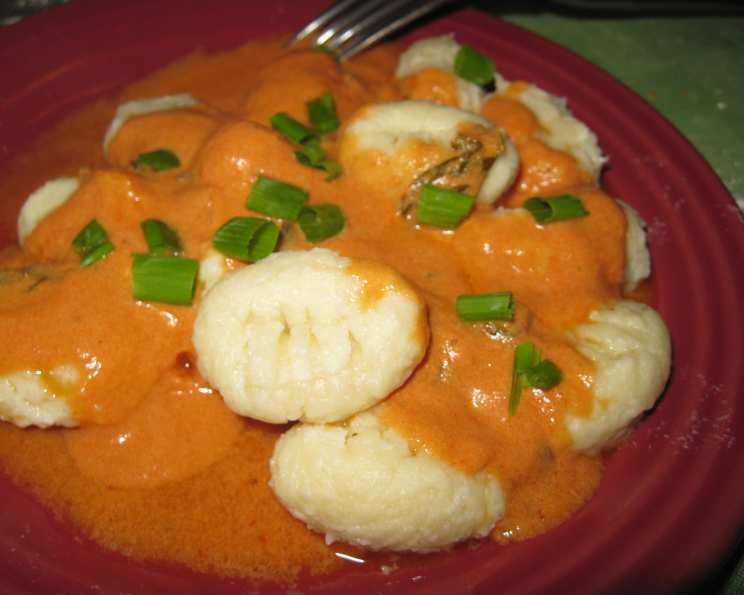
Ricotta Gnudi: Pillowy Clouds of Italian Comfort
There’s a certain magic that happens when simple ingredients transform into something extraordinary. For me, ricotta gnudi embody that magic. I first encountered them years ago, a revelation from a recipe lauded on Epicurious, promising “tender fresh pillows of ricotta pasta—like gnocchi but made with ricotta instead of potatoes.” The description alone captivated me, conjuring images of delicate, cloud-like dumplings melting in the mouth. While admittedly a labor of love, the sheer satisfaction of creating these ethereal bites from scratch, and the rave reviews they garnered from anyone lucky enough to taste them, cemented their place in my culinary heart. They are the embodiment of Italian nonna cooking – simple, honest, and utterly delicious.
Recipe Overview
- Prep Time: 30 minutes (plus 30-60 minutes draining time and 1 hour chilling time)
- Cook Time: 8 minutes
- Total Time: 2 hours 8 minutes
- Servings: 6 (first course servings)
- Yield: 6 first course servings
- Dietary Type: Vegetarian
Ingredients
- 1 lb fresh ricotta cheese
- 1 large egg
- 1/3 cup finely grated Pecorino Romano cheese, plus additional for serving (about 1 ounce)
- 1/2 teaspoon salt
- 1 pinch white pepper
- 3/4 cup all-purpose flour, plus additional for coating
Equipment Needed
- Medium bowl
- Several layers of paper towels
- Large bowl
- Whisk or fork
- Large pot (for boiling water)
- Slotted spoon
Instructions
- Drain the Ricotta: Begin by preparing your ricotta. Line a medium bowl with several layers of paper towels. Spoon the fresh ricotta cheese into the prepared bowl. Allow it to drain for at least 30 minutes, and up to 1 hour. This crucial step removes excess moisture, ensuring your gnudi hold their shape and achieve the desired tender texture.
- Prepare the Gnudi Dough: In a large bowl, beat the egg until well combined. Add the 1/3 cup of finely grated Pecorino Romano cheese, salt, and white pepper. Whisk or fork these ingredients together until blended.
- Incorporate the Ricotta: Gently mix the drained ricotta cheese into the egg and cheese mixture. Be careful not to overmix, as this can toughen the gnudi.
- Add the Flour: Sprinkle the 3/4 cup of all-purpose flour over the ricotta mixture. Stir gently just until the flour is incorporated and a soft dough forms.
- Chill the Dough: Cover the bowl and chill the dough for 1 hour. This chilling period allows the flour to hydrate and the dough to firm up, making it easier to handle and shape.
- Shape the Gnudi: To shape the gnudi, you have a few options. The original recipe suggests making thick ropes and then cutting them, which is an efficient method. You can also scoop tablespoon-sized portions of the chilled dough and gently roll them into small, oval shapes between your floured hands. The key is to handle the dough as little as possible to maintain its tenderness. Lightly flour your hands and a clean surface as needed to prevent sticking.
- Cook the Gnudi: Bring a large pot of salted water to a rolling boil. Carefully add the gnudi to the boiling water, being sure not to overcrowd the pot. You may need to cook them in batches.
- Boil Until Tender: Cook the gnudi until they are very tender and float to the surface, which should take approximately 8 minutes.
- Serve: Once cooked, remove the gnudi from the boiling water using a slotted spoon. Serve immediately with your sauce of choice. The recipe writer particularly enjoyed them with a rich Bolognese sauce, which provides a lovely contrast to the delicate gnudi. Top with additional Pecorino Romano cheese for serving.
Expert Tips & Tricks
The secret to truly transcendent gnudi lies in the careful draining of the ricotta. Don’t rush this step! The drier the ricotta, the less flour you’ll need, resulting in a lighter, more tender dumpling. If you find your dough is too sticky to handle even after chilling, you can add a tablespoon more flour at a time, but do so sparingly. For a more rustic and quicker shaping method, consider using two teaspoons to scoop and drop small dollops of the dough directly into the boiling water. While the original recipe suggests a Bolognese, these gnudi are incredibly versatile. They pair beautifully with a sage brown butter sauce, a light pesto, or simply drizzled with good quality olive oil and a sprinkle of chili flakes.
Serving & Storage Suggestions
These ricotta gnudi are best enjoyed immediately after cooking. Their ethereal texture is at its peak when fresh. If you happen to have leftovers, they can be stored in an airtight container in the refrigerator for up to 1-2 days. To reheat, gently simmer them in a pot of lightly salted water for a few minutes until warmed through, or carefully pan-fry them in a little butter or olive oil until golden and heated through. Avoid microwaving, as it can make them rubbery.
Nutritional Information
| Nutrient | Amount per Serving (approximate) | % Daily Value (approximate) |
|---|---|---|
| Calories | 201.2 | 10% |
| Total Fat | 10.8 g | 14% |
| Saturated Fat | 6.6 g | 33% |
| Cholesterol | 73.9 mg | 25% |
| Sodium | 269.5 mg | 12% |
| Total Carbohydrate | 14.3 g | 5% |
| Dietary Fiber | 0.4 g | 1% |
| Sugars | 0.3 g | 1% |
| Protein | 11.2 g | 22% |
Nutritional information is an estimate and can vary based on specific ingredients and portion sizes.
Variations & Substitutions
While this recipe is designed for classic ricotta gnudi, there are subtle ways to adapt it. For a gluten-free option, you could experiment with a good quality gluten-free all-purpose flour blend, though the texture may vary. Some might be tempted to add herbs directly to the dough, like finely chopped chives or parsley, which can add a lovely hint of freshness. For an even richer flavor, consider using a high-quality, whole milk ricotta.
FAQs
Q: Why is draining the ricotta so important?
A: Draining excess liquid from the ricotta prevents the gnudi dough from becoming too wet and mushy. This allows you to use less flour, resulting in a lighter, more tender texture.
Q: Can I make the gnudi dough ahead of time?
A: Yes, the dough can be made up to 1 day ahead. Keep it covered and chilled in the refrigerator.
Q: How do I know when the gnudi are cooked?
A: The gnudi are cooked when they are very tender and float to the surface of the boiling water.
Q: My gnudi are falling apart in the water. What did I do wrong?
A: This usually means the dough was too wet, either from under-drained ricotta or too much moisture in the egg. Ensure your ricotta is well-drained, and be conservative with any additional flour you might add.
Q: Can I freeze ricotta gnudi?
A: It’s best to cook them fresh. However, if you must freeze them, form them, place them on a floured baking sheet until firm, then transfer to a freezer-safe container. Cook directly from frozen, adding a minute or two to the boiling time.
Final Thoughts
Ricotta gnudi are more than just a pasta dish; they are an experience. They are a testament to the beauty of simplicity and the rewards of patient, careful cooking. Whether you’re a seasoned home cook or venturing into pasta making for the first time, I encourage you to embrace the process and savor the results. Serve them with your favorite sauce, perhaps a vibrant pesto or a comforting ragu, and share them with loved ones. The pure joy and satisfaction they bring are truly unparalleled. Don’t hesitate to experiment with accompaniments – a crisp white wine or a light Italian lager would be a delightful pairing.