
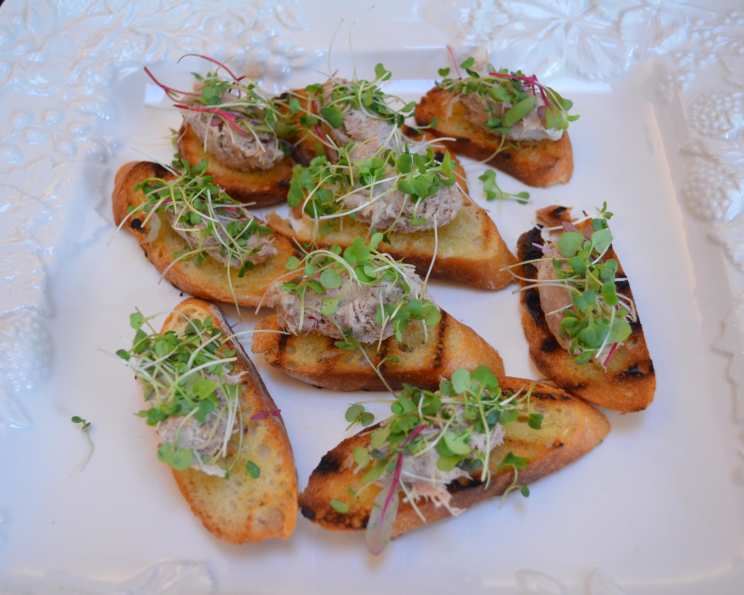
Rillettes: Anthony Bourdain’s Homage to the Humble Pork Confit
There are certain dishes that, in their very essence, capture the soul of a place and the spirit of a chef. For me, Rillettes, as prepared through the lens of Anthony Bourdain at Les Halles, is precisely one of those dishes. I remember first encountering it not through a cookbook, but through the evocative descriptions of Bourdain himself, his voice a gravelly testament to the unpretentious, deeply satisfying food he championed. He spoke of it with such matter-of-fact reverence, as if to say, “This is not complicated, but it is everything.” It conjured images of dimly lit bistros, the clinking of glasses, and the sheer, unadulterated pleasure of simple ingredients transformed by time and care. It’s the kind of food that makes you feel instantly at home, even if you’ve never stepped foot in Paris.
Recipe Overview
- Prep Time: 15 minutes
- Cook Time: 6 hours
- Total Time: 3 days and 6 hours
- Servings: 8-10
- Yield: Several small containers of Rillettes
- Dietary Type: Gluten-Free, Dairy-Free
Ingredients
This is where the magic of simplicity truly shines. You don’t need a pantry overflowing with exotic spices. Just good, honest pork, treated with respect.
- 2 pounds pork belly, cut into 2-inch cubes (approximately 5 cm cubes)
- 1 pound pork shoulder, cut into 2-inch cubes (approximately 5 cm cubes)
- 4 cups water
- 1 bouquet garni (comprised of 1 sprig flat parsley, 2 sprigs fresh thyme, and 1 bay leaf, all tied together securely with string for easy removal)
- 1 teaspoon salt
- 1 pinch black pepper
- 1 pound pork fat, cut into thin slices
Equipment Needed
While the ingredients are few, the right tools will ensure success.
- A heavy-bottomed pot or Dutch oven (essential for even, slow cooking)
- Forks (for shredding the meat)
- Small containers (ramekins, terrines, or even clean jars work well for serving and storage)
- Plastic wrap
Instructions
The beauty of Rillettes lies in its unhurried transformation. This is not a dish to rush; it’s a journey of patience rewarded.
- Begin by placing the cubed pork belly and pork shoulder into your heavy-bottomed pot. Ensure the pot is large enough to comfortably hold the meat and the liquid.
- Pour in the water, making sure it mostly covers the meat. Add the prepared bouquet garni to the pot.
- Place the pot over low heat. The key here is gentle cooking. You want a very low simmer, almost imperceptible, where the water is just barely bubbling. This process will take approximately 6 hours. Stir the contents occasionally throughout this long cooking period to ensure even heat distribution and prevent any sticking.
- After the full 6 hours of cooking, carefully stir in the salt and pepper. Remove the pot from the heat.
- Next, discard the bouquet garni. You can simply lift it out with tongs or a slotted spoon.
- Allow the meat and liquid to cool just enough so that it’s safe to handle. This might take about 20-30 minutes.
- Transfer the cooled meat to a mixing bowl. Using two forks, shred the meat. This is a crucial step: you are aiming for distinct shreds of pork, not a mush. Embrace the texture; it should be fibrous and substantial.
- Now, for the truly tempting part: take a spoonful of the warm, shredded pork and, well, you know what to do. Bourdain would approve.
- Divide the shredded pork mixture among your chosen small containers.
- Top each portion with a slice or two of the reserved pork fat. The goal is to completely cover the meat with this fat. This acts as a protective layer, preventing the rillettes from drying out as it cools and congeals.
- Gently fold the mixture together a bit, ensuring the fat begins to meld with the shredded pork.
- Tightly wrap each container in plastic wrap.
- Place the wrapped containers in the refrigerator. Here’s the critical part: let them sit for a minimum of 3 days before serving. Do not cheat on this resting period! The flavors will meld and deepen significantly, and the texture will firm up beautifully. The rillettes will be good after 24 hours, but it truly transforms and reaches its peak deliciousness after the full 72 hours.
Expert Tips & Tricks
- Quality of Pork is Paramount: Since pork is the star, use the best quality pork belly and shoulder you can find. Look for well-marbled cuts for the richest flavor and most tender texture.
- The Bouquet Garni: Don’t skip tying your bouquet garni. It makes removal a breeze and ensures no stray herbs end up in your finished dish.
- Low and Slow is the Way to Go: The extended cooking time over extremely low heat is what renders the fat from the pork and breaks down the connective tissues, leading to that signature tender, shreddable texture. Resist the urge to crank up the heat.
- Shred, Don’t Pulverize: The instruction to shred, not pulverize, is key to the final texture of the rillettes. You want discernible strands of pork, not a paste.
- Fat is Your Friend: The layer of pork fat on top is essential. It seals the rillettes and contributes to the overall richness and mouthfeel. Don’t skimp on it.
- Patience for Perfection: The 3-day resting period is non-negotiable for truly exceptional rillettes. It allows the fat to solidify and permeate the shredded meat, creating a harmonious blend of flavors and a luxurious texture.
Serving & Storage Suggestions
Rillettes are remarkably versatile, but their classic preparation is hard to beat.
- To Serve: Remove the rillettes from the refrigerator about 30 minutes before serving to allow them to soften slightly. Serve directly from their container or unmold them onto a small plate if you’ve used a terrine. The traditional accompaniments are toasted baguette slices (crostini) or good quality cornichons. A dollop of Dijon mustard is also a classic and welcome addition. A crisp, dry white wine or a light-bodied red, or indeed, your favorite cocktail, makes the perfect accompaniment.
- Storage: Once opened, cover the rillettes tightly with plastic wrap and refrigerate. They will keep well in the refrigerator for up to 5 days. While not typically frozen, if you have a very large batch, you could freeze individual portions. Thaw overnight in the refrigerator before serving.
Nutritional Information
This is a rich, decadent dish, best enjoyed in moderation.
| Nutrient | Amount per Serving (approximate) | % Daily Value |
|---|---|---|
| Calories | 1236.2 kcal | |
| Calories from Fat | 1145 kcal | |
| Total Fat | 127.3 g | 195% |
| Saturated Fat | 53.8 g | 269% |
| Cholesterol | 184.1 mg | 61% |
| Sodium | 367.5 mg | 15% |
| Total Carbohydrate | 0.2 g | 0% |
| Dietary Fiber | 0.1 g | 0% |
| Sugars | 0 g | 0% |
| Protein | 20.4 g | 40% |
(Note: Nutritional information is an estimate and can vary based on specific ingredients and portion sizes.)
Variations & Substitutions
While the classic pork rillettes are perfection, there’s always room for culinary exploration.
- Poultry Rillettes: For a lighter option, you can make rillettes with duck or chicken. You’ll likely need less additional pork fat, as duck and chicken often have their own rendering fat.
- Spiced Rillettes: For a different flavor profile, consider adding a pinch of nutmeg or allspice to the pork during the cooking process. A few crushed juniper berries can also add a lovely piney note.
- With Aromatics: While the bouquet garni is traditional, you could also add a sliced onion or a few garlic cloves to the pot during the initial cooking for an extra layer of flavor. Ensure they are removed along with the bouquet garni.
FAQs
Q: How can I tell if the pork is cooked enough after 6 hours?
A: The pork should be incredibly tender, falling apart easily when poked with a fork. It should be soft enough to shred effortlessly.
Q: What if I can’t find pork fat?
A: You can substitute with more pork belly, or if you’re making duck or chicken rillettes, you can use its own rendered fat. High-quality lard can also be a last resort, but the flavor won’t be quite the same.
Q: Can I make this ahead of time?
A: Absolutely! In fact, it’s recommended that you make it ahead of time, as the 3-day resting period is crucial for flavor development.
Q: Is it important to have a thick layer of fat on top?
A: Yes, this is vital for preserving the rillettes and preventing them from drying out as they set. It also contributes to the rich, unctuous texture.
Q: How do I serve rillettes if I’ve made them in a large terrine?
A: You can simply slice the rillettes directly from the terrine, or scoop portions out with a spoon, preserving the fat layer as much as possible.
Final Thoughts
Rillettes, in its simplest form, is a testament to the enduring power of slow cooking and quality ingredients. It’s a dish that invites conversation, encourages sharing, and always leaves you wanting just one more bite. Anthony Bourdain’s approach to it, stripping away any pretense and focusing on pure, unadulterated flavor, is exactly what makes this recipe a timeless classic. So, gather your ingredients, embrace the slow pace, and prepare to be rewarded with a taste of pure, unpretentious culinary joy. Serve it with good bread, good company, and perhaps a glass of something delightful. You’ve earned it.