
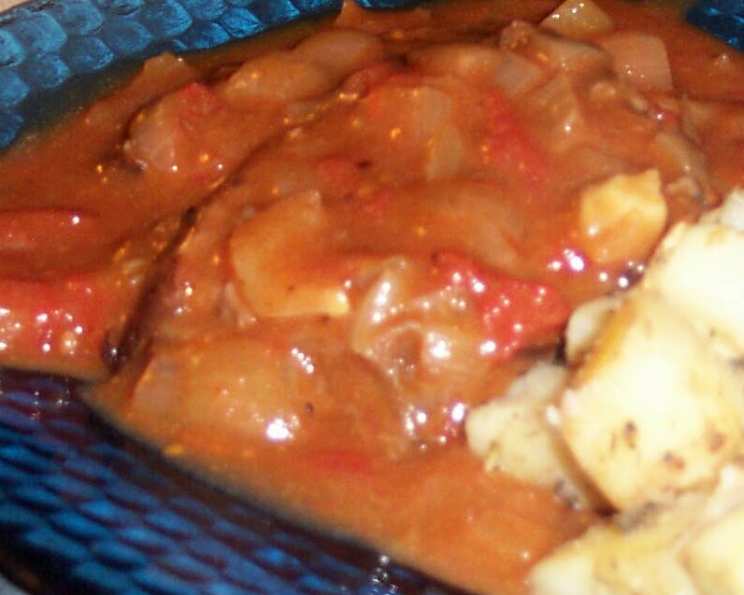
Rindfleisch-Eintopf: A Hearty Hug in a Bowl
The aroma of Rindfleisch-Eintopf, or German beef stew, has a way of wrapping itself around my senses, transporting me back to crisp autumn evenings spent in my grandmother’s cozy kitchen. I can still picture her, hands dusted with flour, humming a familiar tune as she stirred the deep, rich broth that simmered for hours on the stovetop. This wasn’t just a meal; it was an act of love, a promise of warmth and comfort against the encroaching chill. The tender chunks of beef, the softened vegetables, all bathed in that deeply savory sauce – it was a culinary hug that nourished not just the body, but the soul.
Recipe Overview
- Prep Time: 30 minutes
- Cook Time: 2 hours
- Total Time: 2 hours 30 minutes
- Servings: 6
- Yield: Enough for 6 hearty servings
- Dietary Type: Contains Gluten, Dairy (optional)
Ingredients
The beauty of Rindfleisch-Eintopf lies in its simplicity and the quality of its core ingredients. Here’s what you’ll need to create this comforting classic:
- 3 lbs boneless rump roast, cut into 1-inch cubes
- 1/4 cup shortening
- 2 cups onions, sliced
- 1/4 cup unbleached flour
- 2 tablespoons salt
- 2 tablespoons sugar
- Pepper to taste
- 2 teaspoons dry mustard
- 1/2 teaspoon celery seed
- 1/4 cup water
- 1 (1-lb can) tomatoes, undrained (or 1 lb fresh tomatoes, chopped)
Equipment Needed
While this Rindfleisch-Eintopf is wonderfully straightforward, a few key pieces of equipment will ensure your success:
- A Dutch oven or heavy-bottomed pot with a tight-fitting lid. This is crucial for even heat distribution and tenderizing the beef.
- A measuring cup and measuring spoons.
- A whisk for incorporating the flour mixture smoothly.
- A fork for testing the tenderness of the beef.
Instructions
Crafting this Rindfleisch-Eintopf is a journey of patience and delicious anticipation. Follow these steps closely for a truly authentic and satisfying result.
- Begin by preparing your ingredients. Ensure your boneless rump roast is cut into uniform, 1-inch cubes. Slice your onions.
- In your Dutch oven, melt the shortening over medium-high heat.
- Add the cubed beef to the hot shortening. Brown the meat on all sides. This step is vital for developing rich flavor and a beautiful sear. You may need to do this in batches to avoid overcrowding the pot, which can steam the meat instead of browning it.
- Once the beef is nicely browned, remove it from the pot temporarily if necessary, and add the sliced onions to the Dutch oven. Sauté them until they begin to soften and turn translucent, about 5-7 minutes.
- Return the beef to the Dutch oven if you removed it.
- In a separate small bowl, whisk together the unbleached flour, salt, sugar, pepper, dry mustard, and celery seed.
- Gradually whisk in the 1/4 cup of water until you have a smooth, lump-free paste.
- Add the tomatoes (from the can, undrained, or your fresh chopped tomatoes) to the flour and water mixture. Stir to combine.
- Pour this tomato-flour mixture over the beef and onions in the Dutch oven. Stir everything gently to ensure the meat and onions are well coated.
- Cover the Dutch oven tightly with its lid.
- Transfer the covered Dutch oven to a preheated oven. Bake at 325 degrees F (160 degrees C).
- Allow the Rindfleisch-Eintopf to bake for approximately 2 hours. The goal is for the beef to become fork-tender. You can check its tenderness by gently piercing a piece of beef with a fork; it should yield easily.
- Once the stew has finished cooking and the beef is tender, carefully remove the Dutch oven from the oven.
- Serve hot, ideally with oven-browned potatoes, a crusty bread, or your favorite accompaniment.
Expert Tips & Tricks
Achieving that perfect, soul-warming Rindfleisch-Eintopf is within reach with a few insider tips. Think of these as the little nudges that elevate your dish from good to absolutely unforgettable.
- The Power of the Sear: Don’t rush the browning of the beef. This Maillard reaction is where much of the stew’s deep, complex flavor originates. Ensure your Dutch oven is properly heated before adding the meat, and resist the urge to overcrowd the pot. If your Dutch oven isn’t large enough, brown the beef in two separate batches.
- Flour as a Flavor Builder: The flour isn’t just for thickening; toasting it slightly with the beef and onions contributes to the stew’s savory depth. Make sure to whisk the flour and water thoroughly to avoid any raw flour taste.
- Seasoning Nuance: The sugar in this recipe might seem unusual, but it plays a crucial role in balancing the acidity of the tomatoes and enhancing the savory notes of the beef. Adjust salt and pepper to your personal preference, but don’t be afraid to be generous. The dry mustard and celery seed add a subtle warmth and herbaceous complexity that is quintessentially German.
- Low and Slow is Key: The 325 degrees F (160 degrees C) baking temperature is designed for gentle, slow cooking. This allows the connective tissues in the rump roast to break down beautifully, rendering the meat incredibly tender without becoming mushy. Patience is rewarded here.
- Oven Variations: Ovens can be fickle. If your oven tends to run hot or cool, consider using an oven thermometer to ensure you’re maintaining the correct 325 degrees F (160 degrees C). The cooking time is an approximation; always rely on the tenderness of the beef as your primary indicator of doneness.
Serving & Storage Suggestions
Rindfleisch-Eintopf is a dish that practically begs to be shared. Serve it piping hot, ladled generously into deep bowls. It’s traditionally enjoyed with hearty accompaniments like oven-browned potatoes, which soak up the delicious sauce beautifully. A dollop of sour cream or a side of German rye bread are also excellent choices.
Leftovers are a welcome bonus! Store cooled Rindfleisch-Eintopf in an airtight container in the refrigerator for up to 3-4 days. The flavors often meld and deepen overnight, making it even more delicious the next day. To reheat, gently warm it on the stovetop over low heat or in a microwave until heated through. If the stew seems a little too thick after refrigeration, you can stir in a splash of beef broth or water to achieve your desired consistency. This stew also freezes beautifully for up to 3 months.
Nutritional Information
While Rindfleisch-Eintopf is a hearty and satisfying meal, it’s good to have an idea of its nutritional profile. The following is an estimation per serving.
| Nutrient | Amount per Serving | % Daily Value |
|---|---|---|
| Calories | 598.8 kcal | |
| Calories from Fat | 329 kcal | |
| Total Fat | 36.6 g | 56% |
| Saturated Fat | 13.1 g | 65% |
| Cholesterol | 170.1 mg | 56% |
| Sodium | 2452.4 mg | 102% |
| Total Carbohydrate | 16.4 g | 5% |
| Dietary Fiber | 2.1 g | 8% |
| Sugars | 8.5 g | 34% |
| Protein | 49 g | 97% |
Note: Nutritional values can vary based on specific ingredient choices and preparation methods.
Variations & Substitutions
While the classic Rindfleisch-Eintopf is perfection in its own right, feel free to explore its potential for personalization.
- Vegetable Additions: For an even heartier dish, consider adding cubed carrots, potatoes, or parsnips during the last hour of baking. Ensure they are cut into pieces that will cook through in that timeframe.
- Spice Level: If you enjoy a bit more heat, a pinch of red pepper flakes can be added along with the other seasonings.
- Herbal Notes: Fresh thyme or a bay leaf added to the pot during the simmering process can introduce another layer of aromatic complexity. Remove the bay leaf before serving.
- For a Thicker Sauce: If you prefer a more robust, gravy-like consistency, you can increase the unbleached flour to 1/3 cup.
FAQs
Q: What is the best cut of beef for Rindfleisch-Eintopf?
A: Boneless rump roast is ideal because it has a good balance of flavor and texture, becoming wonderfully tender when slow-cooked. Other braising cuts like chuck roast would also work well.
Q: Can I make this Rindfleisch-Eintopf in a slow cooker?
A: Yes, you can adapt this recipe for a slow cooker. Brown the beef and sauté the onions on the stovetop first, then transfer everything to the slow cooker. Cook on low for 6-8 hours or on high for 3-4 hours, until the beef is tender. You might need to thicken the sauce with a cornstarch slurry at the end if it’s too thin.
Q: Why is there sugar in this beef stew recipe?
A: The sugar acts as a flavor enhancer and helps to balance the acidity of the tomatoes, creating a more rounded and palatable taste profile. It doesn’t make the stew sweet but rather rounds out the savory flavors.
Q: How can I make the beef more tender?
A: Ensuring the beef is fork-tender is key. The 325 degrees F (160 degrees C) baking temperature and the 2-hour cooking time are designed to achieve this. Don’t rush the process, and always check the tenderness with a fork.
Q: Can I use fresh tomatoes instead of canned?
A: Absolutely! If using fresh, you’ll need about 1 pound of ripe tomatoes, chopped. Their flavor and moisture content might vary slightly, but they will contribute beautifully to the stew.
Final Thoughts
There’s a reason why dishes like Rindfleisch-Eintopf have stood the test of time. They offer more than just sustenance; they offer connection, comfort, and a delicious journey through tradition. This German beef stew is a testament to the magic that happens when simple, quality ingredients are treated with patience and care. I encourage you to gather your loved ones around the table, fill your kitchen with its incredible aroma, and savor every spoonful. Don’t hesitate to share your experiences and any delightful variations you discover – happy cooking!