
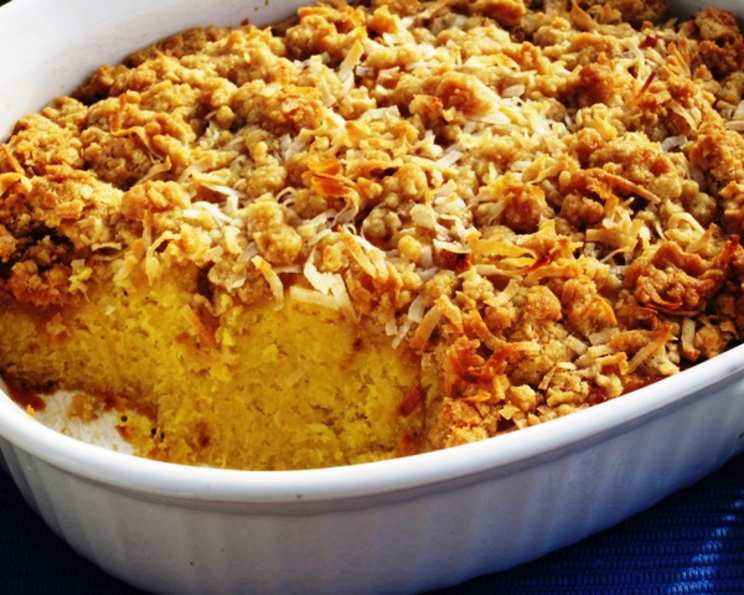
The Sweet Comfort of Ripe Banana Casserole
In my early days experimenting in the kitchen, long before I had a professional pedigree, I remember standing in my tiny apartment kitchen, the air thick with the scent of overripe fruit. A bunch of bananas, bought with good intentions, had reached that perfect stage of brown-spotted sweetness – the kind most people might discard. Instead of tossing them, I felt a spark of inspiration, a whisper of a memory of a similar dish my grandmother used to make with sweet potatoes. This humble casserole, born from necessity and a touch of culinary curiosity, quickly became a cherished favorite, a testament to the magic that can be coaxed from simple, everyday ingredients.
Recipe Overview
- Prep Time: 15 minutes
- Cook Time: 1 hour 5 minutes
- Total Time: 1 hour 20 minutes
- Servings: 4-6
- Yield: 1 casserole
- Dietary Type: Adaptable (dairy-free options available)
Ingredients
This recipe celebrates the natural sweetness of ripe bananas, transforming them into a delightful, comforting casserole. The beauty of this dish lies in its simplicity, allowing the fruit to shine.
For the Banana Base:
- 3 very ripe bananas (or plantains), peeled
- 2 large eggs, beaten
- 1/2 teaspoon ground cinnamon
- 3/4 cup coconut milk
- 1/4 cup melted butter (use a dairy-free butter alternative for dairy-free)
- 1/2 cup granulated sugar
For the Topping:
- 1/2 cup all-purpose flour
- 1/2 cup butter, melted (use a dairy-free butter alternative for dairy-free)
- 1/2 cup packed brown sugar
- 1/2 cup grated coconut (sweetened or unsweetened, to your preference)
Equipment Needed
- Oven
- Large mixing bowl
- Medium mixing bowl
- Fork or potato masher
- Whisk
- Measuring cups and spoons
- Casserole dish (approximately 8×8 inches or similar size)
- Spatula
Instructions
Embarking on the creation of this banana casserole is a straightforward and rewarding process, culminating in a dessert or side dish that’s both elegant and wonderfully comforting.
- Preheat your oven to 350°F (175°C). This consistent temperature is crucial for even baking.
- Prepare the Bananas: Begin by baking the peeled bananas (or plantains) directly in the oven for about 25 minutes. This initial baking step helps to soften them further and concentrate their natural sugars, making them easier to mash and imparting a deeper flavor. Once baked, let them cool slightly until they are manageable to handle, then peel them.
- Create the Banana Base: In a large mixing bowl, mash the cooled, peeled bananas thoroughly. A fork or a potato masher works beautifully here, aiming for a relatively smooth consistency with perhaps a few small lumps remaining for texture.
- Combine Wet and Dry Ingredients for the Base: To the mashed bananas, add the beaten eggs, ground cinnamon, coconut milk, melted butter, and granulated sugar. Whisk everything together until well combined. Ensure the sugar is dissolved and the mixture is homogenous.
- Transfer to Casserole Dish: Pour the banana mixture into your prepared casserole dish. Spread it out evenly.
- Prepare the Topping: In a medium mixing bowl, combine all the topping ingredients: the all-purpose flour, melted butter, packed brown sugar, and grated coconut. Mix them together with a fork or your fingers until the ingredients are well combined and form a crumbly texture.
- Assemble the Casserole: Sprinkle the prepared topping evenly over the banana mixture in the casserole dish. Ensure good coverage for a delightful crunchy contrast.
- Bake to Golden Perfection: Place the casserole dish back into the preheated oven. Bake at 350°F (175°C) for approximately 40 minutes, or until the topping is golden brown and the banana mixture is set and bubbling around the edges.
- Serve: Serve the Ripe Banana Casserole warm.
Expert Tips & Tricks
To elevate your Ripe Banana Casserole from good to truly exceptional, consider these professional insights:
- Banana Ripeness is Key: For this recipe, “very ripe” is not an exaggeration. The darker and more spotted the bananas, the sweeter and more flavorful they will be, reducing the need for added sugar. If using plantains, ensure they are very ripe and have turned mostly black for the sweetest result.
- The Bake-and-Mash Method: Don’t skip the initial baking of the bananas. It’s a crucial step that transforms their texture and intensifies their inherent sweetness, creating a richer base.
- Topping Texture Control: For a crispier topping, ensure your butter is fully melted and well incorporated into the dry ingredients. If you prefer a softer topping, you can use slightly less melted butter.
- Coconut Milk Variations: While coconut milk lends a lovely subtle tropical note and creaminess, you can substitute other plant-based milks like almond or soy milk if preferred. Whole milk can also be used if not aiming for a dairy-free option.
- Oven Hot Spots: If your oven tends to bake unevenly, consider rotating the casserole dish halfway through the baking time to ensure uniform browning and cooking.
Serving & Storage Suggestions
This Ripe Banana Casserole is wonderfully versatile. Serve it warm as a delightful dessert, perhaps with a dollop of whipped cream or a scoop of vanilla ice cream. It also makes an intriguing and satisfying side dish for brunch or alongside savory meals, offering a sweet counterpoint.
For storage, allow the casserole to cool completely before covering it tightly with plastic wrap or transferring it to an airtight container. It will keep well in the refrigerator for up to 3-4 days.
To reheat, you can gently warm individual portions in the microwave or place a larger portion in a 300°F (150°C) oven for about 10-15 minutes, or until heated through. Freezing is also an option, though the texture of the topping might change slightly upon thawing.
Nutritional Information
This is an approximate nutritional breakdown and can vary based on specific ingredients used, particularly the type of sugar and butter.
| Nutrient | Amount per Serving (approx.) | % Daily Value (approx.) |
|---|---|---|
| Calories | 947 kcal | – |
| Total Fat | 53.3 g | 81% |
| Saturated Fat | 37.5 g | 187% |
| Cholesterol | 184.5 mg | 61% |
| Sodium | 372.5 mg | 15% |
| Total Carbohydrate | 116.6 g | 38% |
| Dietary Fiber | 4.7 g | 18% |
| Sugars | 92 g | 367% |
| Protein | 7.5 g | 15% |
Note: The “Calories from Fat” is not a standard nutrient but represents the total calories derived from fat. The percentages are based on a 2,000 calorie diet.
Variations & Substitutions
The beauty of this Ripe Banana Casserole is its adaptability. Feel free to play with the ingredients to suit your taste or dietary needs:
- Gluten-Free: For a gluten-free version, simply substitute the all-purpose flour in the topping with a gluten-free all-purpose flour blend. Ensure the blend contains a binder like xanthan gum for best results.
- Nutty Crunch: Elevate the topping by adding 1/4 cup of chopped nuts, such as pecans or walnuts, along with the grated coconut.
- Spice it Up: Introduce other warm spices like nutmeg or allspice to the banana base for added complexity. A pinch of cardamom can also offer a wonderful aromatic lift.
- Citrus Zest: For a bright counterpoint to the sweetness, add the zest of half a lemon or orange to the banana mixture.
- Plantain Power: As mentioned, ripe plantains can be used interchangeably with bananas. They tend to be starchier when less ripe, so ensure they are very mature for maximum sweetness and a softer texture.
FAQs (Frequently Asked Questions)
Q: Can I use green plantains instead of ripe bananas?
A: While you can use plantains, it’s best to use very ripe ones that have turned mostly black for this recipe, as they will be significantly sweeter and softer, mimicking the ripeness of the bananas. Green plantains would require a different preparation method and likely more added sugar.
Q: My bananas aren’t very ripe. Can I still make this?
A: While the recipe calls for very ripe bananas for optimal sweetness, if yours are only slightly ripe, you may need to increase the sugar content slightly to achieve the desired sweetness. The initial baking step will help soften them.
Q: What is the purpose of baking the bananas before mashing?
A: Baking the bananas before mashing helps to soften them further and concentrates their natural sugars, resulting in a richer flavor and a smoother, more luxurious base for the casserole.
Q: How do I know when the casserole is done?
A: The casserole is ready when the topping is a beautiful golden brown and you see the banana mixture bubbling around the edges, indicating it’s heated through and set.
Q: Can I make this ahead of time?
A: You can prepare the banana mixture and the topping separately a day in advance and store them covered in the refrigerator. Assemble and bake just before serving for the best texture.
Final Thoughts
This Ripe Banana Casserole is more than just a recipe; it’s an invitation to savor the sweetness of simplicity and the abundance of nature. It’s a dish that whispers of home, of comfort, and of the quiet magic that happens when humble ingredients are treated with care and a little bit of love. I encourage you to try it, to let its warm, comforting aroma fill your kitchen, and to share its delightful flavor with those you cherish. It pairs beautifully with a robust cup of coffee or a refreshing glass of iced tea, making any occasion feel a little more special.