
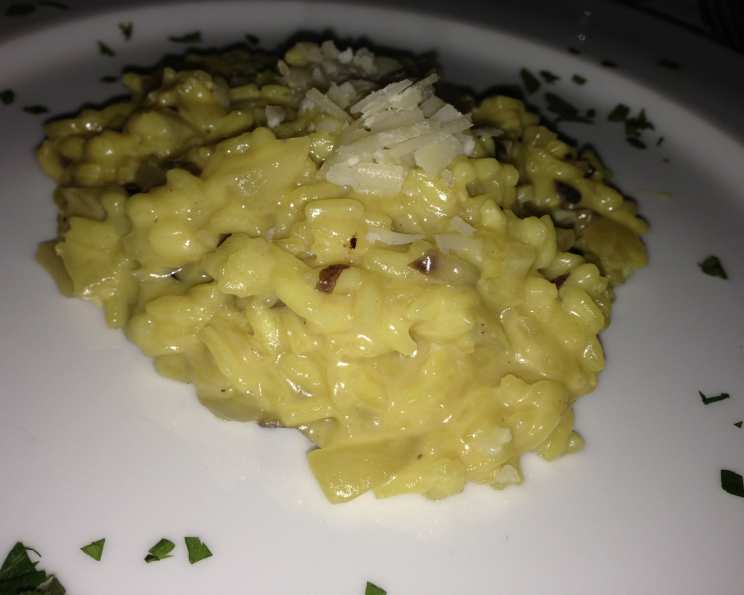
The Soul of Simplicity: Mastering the Art of Risotto
There are dishes that speak to the soul, and then there are those that are the soul. For me, risotto falls into the latter category. I remember my first truly aha! moment with risotto, not in a bustling trattoria, but in a tiny, sun-drenched kitchen in Piedmont. It was a simple mushroom risotto, yet the creaminess, the perfect al dente bite of the rice, the subtle symphony of earthy mushrooms and nutty Parmesan – it was an epiphany. It taught me that true culinary magic often lies not in complexity, but in patient dedication to a few, high-quality ingredients. This recipe, the one I’m sharing today, is that very lesson distilled into its purest, most accessible form.
Recipe Overview
- Prep Time: 15 minutes
- Cook Time: 30 minutes
- Total Time: 45 minutes
- Servings: 4-6
- Yield: Approximately 6 cups
- Dietary Type: Vegetarian (can be made Vegan with broth and cheese substitutions)
Ingredients
- 1 medium yellow onion
- 4 tablespoons unsalted butter
- 5 cups chicken broth (canned or homemade)
- 2 cups Arborio rice (available in many supermarkets or specialty food stores)
- Salt, to taste
- Freshly ground black pepper, to taste
- 3/4 cup freshly grated Parmesan cheese
Equipment Needed
- 4-to-5-quart saucepan or Dutch oven
- Separate saucepan for broth
- Ladle
- Wooden spoon or heat-resistant spatula
Instructions
The journey to a perfect risotto is a dance of heat, stirring, and patience. It’s a process that rewards your attention, transforming humble ingredients into a dish of unparalleled creaminess and flavor.
Preparing the Foundation
- Finely chop the medium yellow onion. Aim for a fine mince so it melts seamlessly into the risotto.
- In a 4-to-5-quart saucepan or Dutch oven, melt the butter over medium heat, stirring regularly to prevent scorching.
- Add the chopped onion to the melted butter. Cook, continuing to stir, until the onion turns soft and translucent. Be mindful of the heat; if the onion begins to brown, turn the heat down to prevent an undesirable flavor.
Building the Flavor Base
- While the onion is softening, pour the 5 cups of chicken broth into a separate saucepan. Set it over medium heat and bring it to a gentle simmer. It’s crucial to maintain this simmer throughout the cooking process; the warm broth is key to properly cooking the Arborio rice. Adjust the heat as needed to keep it at a consistent, gentle simmer.
- Once the onion is soft and translucent, add the 2 cups of Arborio rice to the saucepan. Cook over medium heat, stirring constantly, for about 3 minutes. This step, known as toasting the rice, helps the grains absorb liquid more evenly and contributes to the final texture. Again, adjust the heat as necessary; cooking the rice at too high a heat can cause it to brown and develop an undesirable flavor.
The Art of Adding Liquid
- With the rice lightly toasted, it’s time to begin the gradual addition of broth. Using a ladle, scoop up about 1/2 to 3/4 cup of the simmering chicken broth.
- Pour this broth into the pan with the rice and onion. Stir constantly with a spoon or spatula. Initially, the mixture will appear quite soupy.
- As the rice begins to cook and absorb the liquid, continue to stir it constantly. Make sure to scrape along the bottom of the pan to prevent the rice from sticking or forming clumps. You should observe little bubbles periodically popping up on the surface of the liquid. If the mixture bubbles more vigorously than this, turn the heat down to medium-low.
- When most of the liquid has been absorbed into the rice, and the rice begins to look a bit dry, add another ladle of broth to the pan and stir constantly, as you did before.
Determining Doneness: The Risotto Test
- Continue to add the broth in 1/2-to-3/4-cup batches, stirring the rice after each addition, until you have used most of the broth. This process will likely take about 20 minutes.
- It is now time to test whether the risotto is cooked. This is a critical step that requires your palate. Spoon up a grain of rice and bite into it. It should be tender without being too mushy. The center should retain a slight firmness, a characteristic al dente bite.
- If the rice is still crunchy and tastes a bit starchy, it means it needs more liquid and further cooking. Continue to add broth, a ladle at a time, and cook until the rice reaches the desired tenderness.
- Don’t be alarmed if you find yourself running out of chicken broth before the rice is perfectly cooked. Variations in individual stoves and cooking temperatures can mean you need more liquid than the recipe calls for. In such a situation, simply heat up another cup or two of chicken broth. If you exhaust your broth supply entirely, hot water can be used as a substitute to continue the cooking process.
- The risotto is considered done when the rice is tender and the risotto has achieved a creamy consistency, akin to thick oatmeal. It should flow gently, not be stiff or watery.
Finishing Touches and Serving
- Once the risotto has reached the perfect creamy consistency and the rice is tender, it’s time for the final seasonings. Add salt and freshly ground black pepper to the risotto, about 1/4 teaspoon at a time, tasting as you go, until it seems well seasoned to your preference. Stir thoroughly to distribute the seasonings.
- Add the grated Parmesan cheese and stir well. The cheese will melt into the risotto, adding a delightful richness and umami.
- Serve the risotto immediately in warm bowls. For an extra touch of elegance and to allow guests to adjust to their liking, have extra grated Parmesan on hand.
Expert Tips & Tricks
The beauty of risotto lies in its simplicity, but a few nuances can elevate it from good to extraordinary.
- The Rice Choice is Crucial: Arborio rice is the classic choice for risotto due to its high starch content, which releases during cooking to create that signature creamy texture. Carnaroli or Vialone Nano are also excellent alternatives if you can find them.
- Stirring is Non-Negotiable: While you don’t need to stir every single second, consistent stirring is essential. It encourages the starch release from the rice grains and prevents them from sticking. Imagine it as coaxing the creaminess out.
- The Simmering Broth: Keeping your broth at a gentle simmer is paramount. Adding cold broth will shock the rice, halting the cooking process and hindering the development of that luxurious texture.
- Taste, Taste, Taste: Don’t rely solely on the clock. Your palate is the ultimate judge of when the rice is perfectly cooked – tender with a slight bite, never mushy.
Serving & Storage Suggestions
Risotto is a dish best enjoyed the moment it’s ready. Its creamy texture can change significantly upon standing.
- Serving: Serve risotto immediately in warmed bowls. A sprinkle of fresh herbs, a drizzle of good olive oil, or a few shavings of extra Parmesan can enhance its presentation and flavor.
- Storage: Risotto does not store particularly well. Leftovers can be refrigerated in an airtight container for up to 1-2 days. The texture will become firmer and less creamy as it cools.
- Reheating: To reheat, add a splash of broth or water to the risotto in a saucepan over low heat, stirring gently until heated through. Avoid microwaving, as this can lead to a gummy texture.
Nutritional Information
| Nutrient | Amount per Serving | % Daily Value |
|---|---|---|
| Calories | 600.4 kcal | |
| Calories from Fat | ||
| Total Fat | 19.2 g | 29% |
| Saturated Fat | 11.2 g | 55% |
| Cholesterol | 47 mg | 15% |
| Sodium | 1323.5 mg | 55% |
| Total Carbohydrate | 83.7 g | 27% |
| Dietary Fiber | 3.3 g | 13% |
| Sugars | 2.2 g | 8% |
| Protein | 20.3 g | 40% |
Nutritional values are estimates and can vary based on specific ingredients and preparation methods.
Variations & Substitutions
While this basic risotto is a masterpiece in its own right, it’s a fantastic canvas for creativity.
- Mushroom Risotto: Sauté your favorite mushrooms (cremini, shiitake, oyster) with garlic before adding the onion, or stir them in during the last few minutes of cooking.
- Vegetable Risotto: Incorporate seasonal vegetables like asparagus, peas, or butternut squash. Add heartier vegetables earlier in the cooking process, and delicate ones like peas towards the end.
- Seafood Risotto: Stir in cooked shrimp, scallops, or mussels during the final stages of cooking.
- For a Vegan Risotto: Substitute vegetable broth for chicken broth and use a high-quality vegan Parmesan alternative or nutritional yeast for a cheesy flavor. You may also opt for olive oil or vegan butter instead of dairy butter.
FAQs
Q: Why is my risotto not creamy?
A: A lack of creaminess can be due to not using the correct rice (Arborio, Carnaroli, or Vialone Nano), not stirring enough to release the starches, or adding the broth too quickly.
Q: Can I use a different type of rice for risotto?
A: While Arborio is the most common and accessible, Carnaroli and Vialone Nano are also excellent choices, often considered superior by chefs for their starch content and ability to hold their shape. Other rice varieties will not yield the characteristic creamy texture.
Q: How do I prevent my risotto from becoming mushy?
A: Overcooking is the main culprit. Cook the rice until it’s tender but still has a slight bite in the center. Taste frequently towards the end of the cooking time.
Q: Can I make risotto ahead of time?
A: Risotto is best served fresh. While you can technically cook it ahead and reheat, the texture will suffer, losing its desirable creamy consistency.
Q: What’s the secret to a perfect al dente bite?
A: It’s all about timing and tasting. Cook the rice until it’s tender on the outside but still has a slight, firm resistance in the center when bitten.
A Taste of Comfort
Risotto is more than just a dish; it’s an experience, a comforting embrace in a bowl. It’s a testament to the fact that with a little patience and good ingredients, you can create something truly remarkable. Whether you’re a seasoned cook or just beginning your culinary adventure, this recipe offers a gateway to understanding the soul-satisfying depth of Italian cooking. Gather your ingredients, embrace the process, and savor the delicious reward. I encourage you to try this recipe, and if you find yourself with a particularly glorious batch, share your triumphs – the culinary world thrives on such delicious exchanges. Buon appetito!