
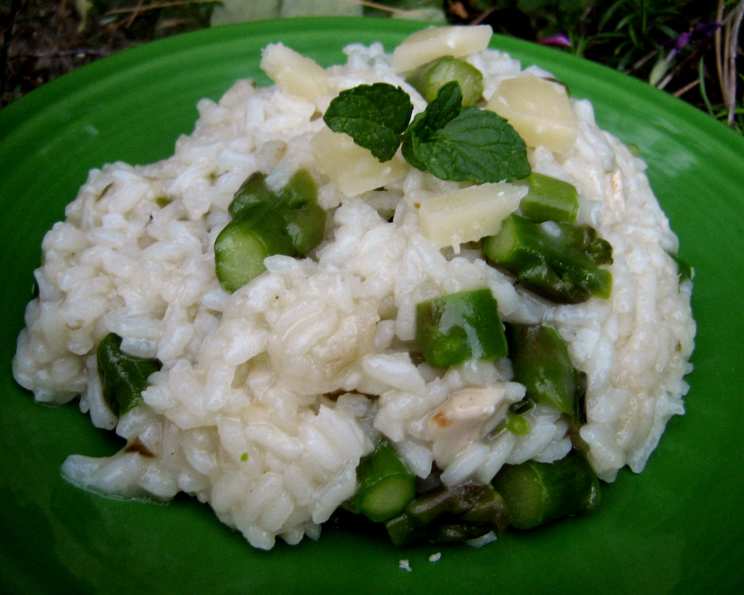
Spring’s Embrace: Risotto with Asparagus, Mint, and Lemon
As spring unfurls its vibrant tapestry, my kitchen invariably starts to hum with the promise of lighter, brighter flavors. There’s a particular joy in coaxing the subtle sweetness from fresh asparagus, a vegetable that truly sings when in season. This risotto, a recipe I’ve adapted and cherished over the years, is my ode to this magnificent time of year, bringing together the earthy goodness of asparagus with the zesty kiss of lemon and the refreshing whisper of mint. It’s a dish that embodies the essence of renewal, a comforting yet elegant plate that feels both sophisticated and wonderfully accessible, perfect for a leisurely weekend lunch or a delightful weeknight dinner.
Recipe Overview
- Prep Time: 15 minutes
- Cook Time: 30 minutes
- Total Time: 45 minutes
- Servings: 6
- Yield: Approximately 6 servings
- Dietary Type: Vegetarian (can be made vegan with substitutions)
Ingredients
- 1 lb asparagus, tough ends removed
- 1 tablespoon extra virgin olive oil
- 3 tablespoons butter, divided use
- 2 cups low sodium chicken broth (or vegetable broth for vegetarian/vegan)
- 2 cups water
- 1 small onion, finely chopped
- 1 1⁄2 cups Arborio rice or Carnaroli rice
- 1⁄2 cup vermouth or 1⁄2 cup dry white wine
- 1⁄2 cup Parmesan cheese, freshly grated (omit or use vegan alternative for vegan)
- 1⁄4 cup of fresh mint, finely chopped
- 1 lemon, juice and zest of
- Salt, to taste
- Pepper, to taste
Equipment Needed
- Medium saucepan (for heating broth)
- 3-quart or larger pot or Dutch oven (for cooking risotto)
- Sharp knife
- Cutting board
- Measuring cups and spoons
- Wooden spoon or heatproof spatula
- Ladle
- Microplane or zester
- Citrus juicer (optional)
Instructions
The magic of risotto lies in its patient transformation. It’s a culinary dance, a gentle rhythm of adding liquid, stirring, and allowing the grains to release their starchy goodness, creating a creamy, luscious texture without the need for heavy cream.
- Prepare the Asparagus: Begin by snapping off the tough, woody ends of the asparagus spears. You’ll find they naturally break at the right point. Slice the remaining asparagus stalks into thin disks, about ¼ inch thick. Reserve the tender tips to add a beautiful finishing touch later in the cooking process.
- Warm the Broth: In a medium saucepan, combine the low sodium chicken broth and the water. Place it over medium-low heat and bring it to a gentle simmer. Keep it warm throughout the cooking process; adding cold liquid to the rice will halt the cooking and disrupt the creamy texture.
- Sauté the Aromatics: In a 3-quart or larger pot or Dutch oven, heat the extra virgin olive oil and 1 tablespoon of the butter over medium heat. Add the finely chopped onion and sauté until it becomes soft and translucent, about 5-7 minutes. You want to soften the onion without allowing it to brown, which would impart a bitter flavor.
- Toast the Rice: Add the Arborio rice or Carnaroli rice to the pot with the softened onion. Stir constantly for about 1-2 minutes, ensuring that every grain is thoroughly coated with the oil and butter. This toasting process is crucial; it helps the rice absorb liquid more evenly and contributes to its final texture.
- Deglaze with Wine: Quickly pour in the vermouth or dry white wine. Continue to stir until the alcohol has completely evaporated, about 1-2 minutes. The aroma should be delightful at this stage.
- The Risotto Method: Turn the heat down to medium-low. Begin adding the warmed stock to the rice, one ladleful at a time (approximately ½ cup). Stir frequently after each addition, waiting until the liquid has been almost completely absorbed by the rice before adding the next ladleful. This consistent stirring helps to release the starches from the rice, creating the signature creamy consistency of risotto.
- Incorporate the Asparagus: When you have used about half of the warmed stock (roughly 10 minutes into the stock-adding process), stir in the sliced asparagus disks and the reserved asparagus tips. Continue adding the stock by the ladleful, stirring after each addition and waiting for absorption, just as you did before.
- Check for Doneness: Continue this process for about 20 minutes after you began adding the stock. Taste the rice periodically for doneness. The rice should be tender, but not mushy, with a slight al dente bite, or a bit of crunch, at the center. You may not need to use all of the warmed stock. The final consistency should be creamy and slightly loose, not stiff or clumpy. It should flow gently when you tilt the pot.
- Finish and Enrich: Once the rice has reached your desired doneness, turn off the heat. Stir in the remaining 2 tablespoons of butter, the freshly grated Parmesan cheese, the finely chopped fresh mint, and the juice and zest of the lemon.
- Rest and Season: Cover the pot and let the risotto rest for a few minutes before serving. This resting period allows the flavors to meld and the risotto to achieve its perfect, luxurious texture. Check the seasoning and add more salt and pepper if needed.
Expert Tips & Tricks
- Broth is Key: Always keep your broth warm. A sudden temperature change will shock the rice and prevent it from cooking evenly, resulting in a less creamy risotto.
- Stirring, Not Aggressively: While constant stirring is important, it doesn’t need to be vigorous. A gentle, consistent motion is all that’s required to encourage the release of starches.
- Rice Selection: Arborio and Carnaroli are the stars for risotto due to their high starch content. Carnaroli is often considered the “king” of risotto rice for its firm texture and ability to absorb a lot of liquid while remaining distinct.
- Don’t Overcook: The mark of a great risotto is the al dente texture of the rice. Overcooked risotto becomes mushy and loses its appealing texture. Taste early and often.
- Lemon Zest for Aroma: Don’t skip the lemon zest! It adds a beautiful fragrant oil that elevates the entire dish. Zest the lemon before juicing it for maximum efficiency.
Serving & Storage Suggestions
Serve this vibrant Risotto with Asparagus, Mint, and Lemon immediately, spooned into warm shallow bowls. A final flourish of freshly grated Parmesan cheese and a few extra mint leaves can enhance its visual appeal. If you happen to have any leftovers (which is unlikely!), they can be stored in an airtight container in the refrigerator for up to 2 days. To reheat, gently warm it in a saucepan over low heat with a splash of extra broth or water to loosen it up. Avoid microwaving, as it can make the rice gummy.
Nutritional Information
| Nutrient | Amount per Serving | % Daily Value |
|---|---|---|
| Calories | 323.3 kcal | |
| Calories from Fat | 102 kcal | |
| Total Fat | 11.4 g | 17% |
| Saturated Fat | 5.7 g | 28% |
| Cholesterol | 22.6 mg | 7% |
| Sodium | 217.3 mg | 9% |
| Total Carbohydrate | 46 g | 15% |
| Dietary Fiber | 3.4 g | 13% |
| Sugars | 1.9 g | 7% |
| Protein | 10.2 g | 20% |
Note: Nutritional values are estimates and can vary based on specific ingredients and portion sizes.
Variations & Substitutions
- Vegan Delight: To make this risotto vegan, simply substitute the butter with a good quality vegan butter or a tablespoon more of extra virgin olive oil. For the cheese, use your favorite vegan Parmesan alternative or nutritional yeast for a cheesy flavor. Use vegetable broth instead of chicken broth.
- Herbal Twist: While mint is wonderfully refreshing, feel free to experiment with other fresh herbs like chives, parsley, or even a hint of basil.
- Spring Vegetable Medley: Enhance the dish by adding other spring vegetables like peas (stirred in during the last 5 minutes of cooking) or blanched fava beans.
- Creamier Texture: For an even creamier risotto, a swirl of mascarpone cheese or a dollop of crème fraîche can be stirred in at the very end, along with the butter and Parmesan.
FAQs
Q: Why is my risotto not creamy?
A: This is usually due to insufficient stirring, adding cold liquid, or overcooking. Ensure you are stirring frequently enough, using warm broth, and stopping the cooking when the rice is al dente.
Q: Can I use a different type of rice for risotto?
A: While Arborio and Carnaroli are ideal, short-grain rice with a high starch content can be used, but the results may vary in creaminess and texture. Long-grain rice is not suitable for risotto.
Q: How do I prevent the rice from sticking to the bottom of the pot?
A: Consistent stirring is key, especially when adding the broth. A good quality, heavy-bottomed pot also helps distribute heat evenly and reduces the chance of sticking.
Q: Can I make risotto ahead of time?
A: Risotto is best served fresh. While you can par-cook the rice and store it, the texture and creaminess will be diminished when reheated. It’s worth the effort to make it just before serving.
Q: How much liquid should I add?
A: The general ratio is about 3-4 cups of liquid per cup of rice, but this can vary depending on the rice, the heat, and the pot. Always add liquid gradually and let it absorb before adding more.
Final Thoughts
This Risotto with Asparagus, Mint, and Lemon is more than just a recipe; it’s an experience. It’s about slowing down, engaging your senses, and creating something truly delicious from simple, fresh ingredients. The vibrant green of the asparagus, the bright zing of lemon, and the cool, herbaceous notes of mint come together in perfect harmony. It’s a dish that celebrates the bounty of spring and brings a sense of joy to your table. I encourage you to try it, to feel the satisfaction of crafting this classic Italian dish, and to savor every creamy, flavorful spoonful. Pair it with a crisp, dry white wine like a Sauvignon Blanc or a Vermentino for a truly delightful meal.