
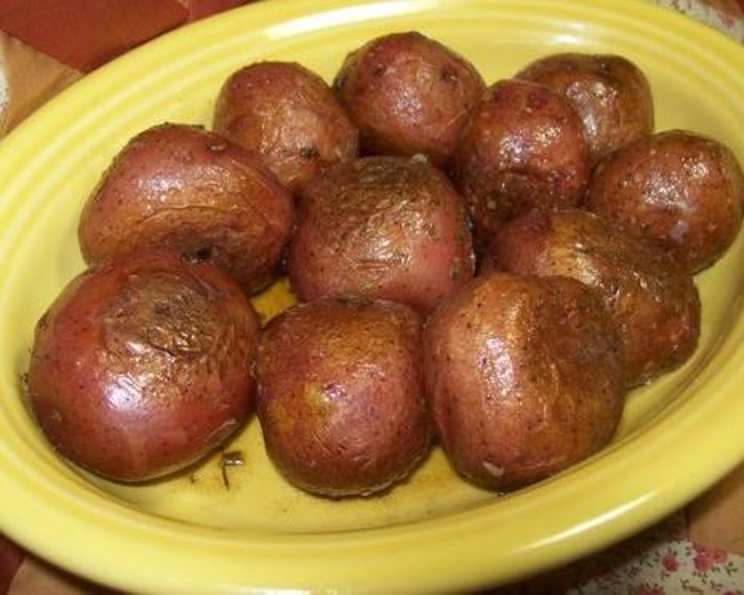
The Humble Potato Transformed: Mastering Rissole Potatoes
There’s a profound comfort in dishes that feel both ancient and entirely new with every preparation. For me, rissole potatoes are precisely that. I remember them from childhood kitchens, not as a fancy side, but as the magic that happened when simple, everyday potatoes were coaxed into something spectacular. The aroma of butter browning in the pan, the gentle sizzle as the potatoes softened, and finally, that glorious transformation into golden-brown perfection – it’s a sensory memory that never fades. It’s a testament to how a few basic ingredients, treated with a little care and attention, can create pure culinary joy.
Recipe Overview
- Prep Time: 10 minutes
- Cook Time: 20 minutes
- Total Time: 30 minutes
- Servings: 4
- Yield: Serves 4
- Dietary Type: Vegetarian
Ingredients
To achieve that irresistible crisp exterior and yielding interior, you’ll need a few key players:
- 1 ½ lbs small red potatoes, peeled
- 4 tablespoons unsalted butter (for melting)
- 2 tablespoons unsalted butter, softened (for tossing)
- 1 tablespoon chopped fresh parsley
- 1 tablespoon minced fresh chives
- Salt and freshly ground black pepper to taste
Equipment Needed
A few essential tools will make this process seamless:
- A medium saucepan
- A colander
- A large skillet or sauté pan (preferably non-stick or well-seasoned cast iron)
- A spatula or wooden spoon for turning
Instructions
The beauty of rissole potatoes lies in their straightforward approach. It’s all about building layers of flavor and texture through simple cooking techniques.
- Parboil the Potatoes: Begin by placing the peeled small red potatoes in a medium saucepan. Cover them with cold water, ensuring they are fully submerged. Bring the water to a boil over medium-high heat and parboil the potatoes for 10 minutes. This initial cooking softens them just enough to be tender without becoming mushy, which is crucial for achieving the desired texture later on.
- Drain Thoroughly: Once parboiled, drain the potatoes completely in a colander. Allowing excess moisture to escape is important; wet potatoes will steam rather than sauté, hindering that beautiful crispness.
- Melt the Butter: While the potatoes are draining, melt 4 tablespoons of unsalted butter in the same saucepan over low heat. This gentle melting ensures the butter doesn’t scorch and is ready to coat the potatoes.
- Initial Sauté: Add the drained potatoes back into the saucepan with the melted butter. Cover the pan and cook for 10 minutes over low heat. This step allows the potatoes to absorb the rich butter flavor and begin to soften further.
- Gentle Stirring: During this 10-minute covered cooking period, it’s important to swirl the pan occasionally to stir, ensuring the potatoes are evenly coated with the melting butter. Crucially, while swirling, hold the cover in place to trap the steam, which aids in tenderizing the potatoes.
- Crisping Phase: After 10 minutes of covered cooking, uncover the pan. Increase the heat to medium-high.
- Achieve Golden Brown Perfection: Now, sauté the potatoes for 10 minutes, or until they are golden brown on all sides. This is where the magic happens. Use your spatula or wooden spoon to gently turn the potatoes periodically, ensuring an even crisping and browning across all surfaces. You’re looking for a delightful golden hue and a slightly crispy exterior.
- Finishing Touches: Once the potatoes have reached your desired level of golden-brown crispness, remove the pan from the heat. Immediately toss the hot potatoes with the remaining 2 tablespoons of softened unsalted butter, the chopped fresh parsley, and the minced fresh chives. Season generously with salt and freshly ground black pepper to taste. The residual heat will further melt the softened butter and herbs, infusing them beautifully into the potatoes.
Expert Tips & Tricks
- Potato Choice Matters: Small red potatoes are ideal due to their waxy texture, which holds its shape well during cooking. Avoid starchy potatoes like Russets, as they tend to fall apart.
- Don’t Overcrowd the Pan: If your skillet is too crowded, the potatoes will steam rather than brown. If necessary, cook in batches to ensure each potato has ample space to develop a beautiful crust.
- The Power of Swirling: The instruction to swirl the pan while holding the cover is a subtle but important technique. It helps to distribute the heat and steam evenly, ensuring all sides of the potato soften consistently before the crisping phase.
- Seasoning is Key: Don’t be shy with the salt and pepper. These simple seasonings elevate the natural flavor of the potatoes and the richness of the butter. Taste and adjust before serving.
Serving & Storage Suggestions
Rissole potatoes are a versatile side dish that shines alongside a variety of main courses.
- Serving: These are best served immediately, while they are still warm and wonderfully crisp. Their golden-brown exterior and tender interior make them a delightful accompaniment to roasted meats, grilled fish, or even a hearty salad. Garnish with an extra sprinkle of fresh parsley or chives for a pop of color and freshness.
- Storage: Leftover rissole potatoes can be stored in an airtight container in the refrigerator for up to 2-3 days.
- Reheating: To reheat, spread the potatoes in a single layer on a baking sheet and warm in a preheated oven at 350°F (175°C) for 10-15 minutes, or until heated through and slightly re-crisped. Avoid reheating in the microwave, as this will result in a softer texture.
Nutritional Information
Here’s an estimated breakdown of the nutritional content per serving:
| Nutrient | Amount per Serving | % Daily Value |
|---|---|---|
| Calories | 284.4 kcal | – |
| Total Fat | 17.4 g | 26% |
| Saturated Fat | 11 g | 54% |
| Cholesterol | 45.8 mg | 15% |
| Sodium | 13.1 mg | 0% |
| Total Carbohydrate | 29.9 g | 9% |
| Dietary Fiber | 3.8 g | 15% |
| Sugars | 1.4 g | 5% |
| Protein | 3.7 g | 7% |
Note: Nutritional values are approximate and can vary based on specific ingredient choices and quantities.
Variations & Substitutions
While the classic rissole potato is perfect as is, there’s always room for personalization:
- Herb Variations: Feel free to experiment with other fresh herbs. Rosemary, thyme, or dill can all add unique flavors.
- Garlic Infusion: For a more robust flavor, add a minced clove or two of garlic to the butter during the final sautéing stage, being careful not to burn it.
- Spicy Kick: A pinch of red pepper flakes tossed in with the herbs can add a subtle warmth.
- Dairy-Free Option: For a dairy-free version, use a high-quality vegan butter substitute. Ensure it melts and browns well.
FAQs
Q: Why do I need to parboil the potatoes first?
A: Parboiling softens the potatoes slightly, ensuring they cook through evenly during the sautéing phase without burning the outside.
Q: What is the best way to prevent the potatoes from sticking to the pan?
A: Using a well-seasoned cast iron skillet or a good quality non-stick pan, and ensuring the butter is hot before adding the potatoes for the final sauté, will help prevent sticking.
Q: Can I use larger potatoes?
A: While smaller potatoes are preferred for even cooking and crisping, larger potatoes can be cut into smaller, uniform pieces before parboiling and sautéing.
Q: How do I know when the potatoes are done?
A: The potatoes should be fork-tender when pierced and have a beautiful, golden-brown, slightly crispy exterior.
Q: Can I make rissole potatoes ahead of time?
A: They are best enjoyed fresh. However, you can parboil and drain the potatoes ahead of time. Store them in the refrigerator and then proceed with the sautéing and finishing steps when ready to serve.
Final Thoughts
Rissole potatoes are more than just a side dish; they are a celebration of simplicity and flavor. They embody the philosophy that even the most humble ingredients can be transformed into something truly remarkable with a little technique and a lot of love. I encourage you to try this recipe, to experience the satisfying crunch, the creamy interior, and the buttery, herby finish. It’s a dish that’s sure to become a favorite in your culinary repertoire, bringing warmth and deliciousness to any meal.