
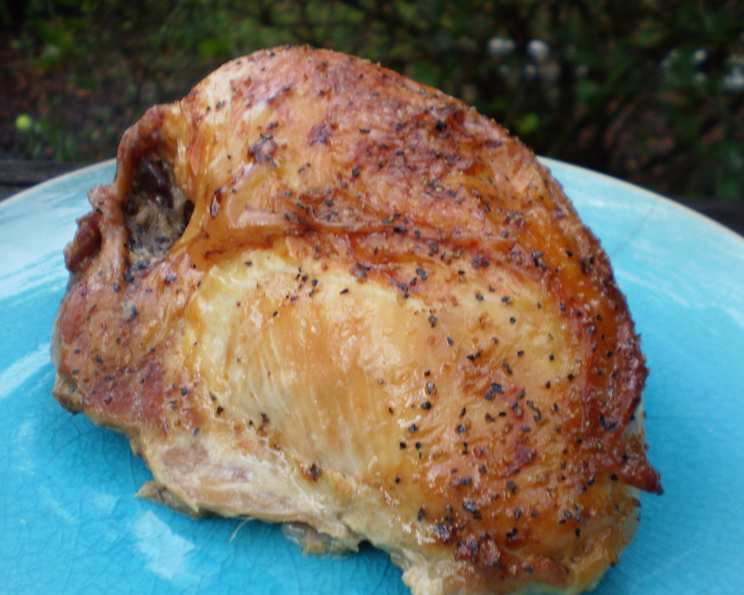
Stegt Kylling: A Taste of Danish Comfort
There are some dishes that, when you encounter them, feel like an instant hug from a loved one, even if you’ve never had them before. For me, this Stegt Kylling, or Danish Roast Chicken, is one of those culinary embraces. The first time I stumbled upon a mention of this dish, it was tucked away in a corner of the internet, promising a unique Danish twist on a universally beloved classic. The description hinted at a tender chicken bathed in wine and cream, a symphony of comforting flavors that immediately sparked my imagination. Though I hadn’t had the chance to prepare it then, the promise of that rich, savory aroma and the implied simplicity of its execution lingered, a culinary siren song I knew I had to answer. This recipe isn’t just about roasting a chicken; it’s about creating an experience, a moment of warmth and deliciousness that feels both elegant and profoundly comforting.
Recipe Overview
- Prep Time: 15 minutes
- Cook Time: 2 hours 5 minutes
- Total Time: 2 hours 20 minutes (includes marinating time)
- Servings: 12
- Yield: 1 whole roasted chicken
- Dietary Type: Poultry
Ingredients
Gather your ingredients to embark on this delightful Danish culinary journey. The simplicity of the components belies the incredible depth of flavor they create.
- 6 lbs roasting chickens (This quantity is for multiple chickens, or one very large one, ensuring enough for a generous serving of 12 people, with approximately half a pound of chicken per person as suggested.)
- 1/4 lb butter
- 3 cups white wine
- 1 1/2 cups cream
- Salt, to taste
- White pepper, to taste
- 1/2 cup blanched almond (slivered)
Equipment Needed
While this recipe is refreshingly straightforward, a few key pieces of equipment will ensure success.
- A large, shallow baking pan (large enough to hold the cut chicken pieces comfortably)
- Oven
- Tongs or a spatula for turning chicken
- Measuring cups and spoons
Instructions
The magic of this Stegt Kylling unfolds in a series of simple, yet impactful steps. It’s a recipe that rewards patience and allows the ingredients to work their understated brilliance.
- Begin by cutting the chicken into serving pieces. This is a departure from a traditional whole roast, allowing for more even cooking and easier marination. You’ll want to break down the chickens into legs, thighs, breasts (halved or quartered), and wings. Discard any giblets from the cavities.
- Melt the butter in your shallow baking pan. You can do this directly in the pan on the stovetop over low heat, or in the oven if your pan is oven-safe.
- Arrange the chicken pieces in the buttered baking pan. Ensure they are in a single layer as much as possible for even browning.
- Place the pan in a preheated moderate oven, set at 375 degrees Fahrenheit (190 degrees Celsius). Allow the chicken to bake until a golden brown color is achieved. This initial searing step builds a beautiful crust and renders some of the fat. The time will vary depending on the size of your pieces, but keep a close eye on it – this is where the flavor foundation is laid.
- Once the chicken is beautifully golden brown, turn off the oven. Do not remove the pan.
- Carefully add the white wine to the baking pan. The hot pan and chicken will cause the wine to sizzle and steam, deglazing the pan and incorporating all those delicious browned bits into the liquid. This is where the chicken will begin to marinate and tenderize.
- Let the chicken marinate in the wine for 1 hour. During this time, the oven remains off, allowing the flavors to meld and the chicken to absorb the wine. You can cover the pan loosely if you are concerned about any splatters, but it’s not strictly necessary.
- After the hour of marination, add the cream to the pan. Stir gently to combine with the wine, creating a luscious sauce that will envelop the chicken.
- Season the sauce with salt and white pepper to taste. White pepper is preferred here for its subtle heat without the visual speckles that black pepper might leave.
- Preheat the oven to 300 degrees Fahrenheit (150 degrees Celsius). This lower temperature is crucial for the next stage of cooking, ensuring the chicken becomes incredibly tender without drying out.
- Return the pan to the oven and continue cooking for another 30 minutes. This slow braise in the creamy wine sauce is where the chicken truly softens and becomes succulent.
- After 30 minutes, add the slivered blanched almonds to the pan. These will toast gently in the sauce, adding a delicate nutty texture and visual appeal.
- Cook for another half hour, or until the chicken is tender. You’ll know it’s done when the meat easily pulls away from the bone. The almonds should be lightly golden.
- Allow at least ½ pound of fowl per person. This is a good guideline for ensuring everyone gets a satisfying portion.
Expert Tips & Tricks
To elevate your Stegt Kylling from delicious to extraordinary, consider these insights:
- Choosing Your Chicken: Opt for good quality, free-range chickens if possible. Their flavor is often richer and the meat tends to be more succulent.
- Butter for Browning: Don’t skimp on the butter for the initial browning. It’s essential for developing that desirable golden crust and adds a foundational richness to the sauce.
- Wine Selection: A dry white wine is best here – think Sauvignon Blanc, Pinot Grigio, or a dry Riesling. Avoid sweet wines, as they can unbalance the savory notes.
- Creamy Perfection: For an even richer sauce, you can finish the dish with a touch more cream just before serving, or even a swirl of crème fraîche.
- Almond Toasting: While adding almonds directly to the pan works well, for an extra layer of crunch, you can lightly toast them separately in a dry skillet until fragrant and golden before adding them to the dish in the final stage.
- Making Ahead: The initial browning of the chicken and the marination in wine can be done a few hours ahead of time. Store the pan covered in the refrigerator. Before continuing with the cream and braising, let the chicken come to room temperature for about 30 minutes.
Serving & Storage Suggestions
This Stegt Kylling is a dish that truly shines when served family-style.
Present the chicken pieces directly from the pan, spooning the rich, creamy sauce and toasted almonds generously over the top. It’s wonderful served with simple accompaniments that allow the chicken’s flavor to be the star. Think crusty bread for soaking up every last drop of that glorious sauce, fluffy mashed potatoes, or a fresh, crisp green salad to cut through the richness.
Leftovers are a true gift. Once cooled, store any remaining Stegt Kylling and sauce in an airtight container in the refrigerator for up to 3 days. To reheat, gently warm the chicken and sauce in a saucepan over low heat, or in a covered dish in a moderate oven (around 300°F/150°C), until heated through. Be mindful not to overheat, as this can dry out the chicken. This dish is also excellent served cold or at room temperature the next day.
Nutritional Information
Here is an estimated nutritional breakdown for this delightful Danish roast chicken. Please note that these are approximate values and can vary based on the exact ingredients and portion sizes.
| Nutrient | Amount per Serving | % Daily Value |
|---|---|---|
| Calories | 729.2 kcal | 36% |
| Total Fat | 56.1 g | 86% |
| Saturated Fat | 21.2 g | 105% |
| Cholesterol | 219.2 mg | 73% |
| Sodium | 236.1 mg | 10% |
| Total Carbohydrate | 3.5 g | 1% |
| Dietary Fiber | 0.6 g | 2% |
| Sugars | 0.9 g | 2% |
| Protein | 41 g | 81% |
Note: Calories from Fat is approximately 504g.
Variations & Substitutions
While this recipe is a masterpiece in its own right, there’s always room for personal touch and adaptation.
- Herbal Infusion: For an added layer of aromatic complexity, consider tucking a few sprigs of fresh thyme or rosemary under the chicken pieces during the initial bake, or adding them to the sauce during the braising stage.
- Lemon Zest: A touch of fresh lemon zest added to the sauce just before serving can brighten the flavors beautifully and complement the richness of the cream.
- Dijon Kick: A teaspoon or two of Dijon mustard whisked into the cream sauce can add a subtle tang and depth.
- Mushroom Addition: Sautéed mushrooms, added along with the almonds in the final half-hour of cooking, would be a delicious and earthy addition.
- Lighter Sauce: For a slightly lighter sauce, you could substitute half of the cream with chicken broth or a lighter cooking cream.
FAQs
Q: Can I use chicken parts instead of whole chickens?
A: Absolutely! You can certainly use pre-cut chicken pieces like thighs, drumsticks, and breast pieces. Adjust the initial baking time accordingly, as smaller pieces will brown faster.
Q: What kind of white wine is best for this recipe?
A: A dry, unoaked white wine is ideal. Think Sauvignon Blanc, Pinot Grigio, or a dry Riesling. Avoid sweet wines, as they can alter the savory profile of the dish.
Q: How do I know when the chicken is tender?
A: The chicken is tender when the meat easily pulls away from the bone with a fork, and it’s no longer pink near the bone.
Q: Can I make the sauce thicker?
A: If you prefer a thicker sauce, you can reduce the liquid slightly by simmering the sauce uncovered for a few extra minutes before serving, or by whisking in a cornstarch slurry (1 tablespoon cornstarch mixed with 2 tablespoons cold water) during the final cooking stage.
Q: What should I serve with this roast chicken?
A: This dish pairs wonderfully with simple sides like crusty bread, mashed potatoes, rice, or a fresh green salad to balance the richness.
This Stegt Kylling is more than just a meal; it’s an invitation to slow down, savor the moment, and enjoy the profound comfort that a well-prepared dish can bring. It’s a testament to how simple ingredients, treated with care, can create something truly magical. Gather your loved ones, uncork a bottle of that white wine, and let the aroma fill your home. I truly hope this recipe brings as much warmth and joy to your table as it has to mine. Don’t hesitate to share your experiences and perhaps even your own creative twists on this Danish classic!