
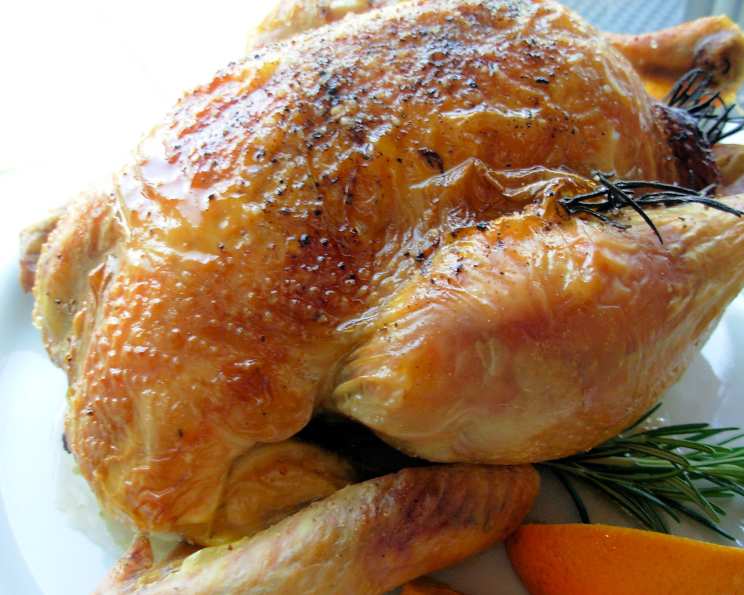
Roast Chicken with Grand Marnier Glaze: A Symphony of Citrus and Spice
There’s something deeply comforting about the aroma of a roasting chicken wafting through the house, a promise of a shared meal and contented sighs. This particular roast chicken, however, elevates the familiar to something truly special. I recall the first time I made it, a crisp autumn evening, the scent of citrus and warm spices mingling with the rich, savory notes of the chicken. It was a revelation – the subtle sweetness of the Grand Marnier, balanced by the tang of Dijon, creating a glaze that caramelized to a beautiful, burnished gold. It’s a dish that feels both elegant enough for a celebration and comforting enough for a weeknight treat, a testament to how a few thoughtful ingredients can transform the ordinary into the extraordinary.
Recipe Overview
- Prep Time: 20 minutes
- Cook Time: 1 hour 20 minutes
- Total Time: 1 hour 40 minutes
- Servings: 4
- Yield: 1 roast chicken
- Dietary Type: Adaptable (Standard)
Ingredients
For the Roast Chicken:
- 1 roasting chicken (approximately 3 to 4 lbs)
- ¼ cup olive oil
- 1 orange, quartered
- 1 onion, quartered
- Salt and pepper, to taste
- 2 teaspoons dried rosemary
For the Grand Marnier Glaze:
- 4 tablespoons butter
- 4 tablespoons whole grain mustard
- 4 tablespoons honey
- 2 tablespoons apricot jam
- 4 tablespoons Grand Marnier
- 1 fresh rosemary sprig, for garnish (optional)
Equipment Needed
- Roasting pan
- Small saucepan
- Whisk
- Basting brush
- Sharp knife and carving fork
- Cutting board
Instructions
- Prepare the Chicken: Begin by preparing your chicken for roasting. Remove any giblets or the neck from the cavity of the roasting chicken. Rinse the bird inside and out with cool water, then thoroughly pat it dry with paper towels. This step is crucial for achieving crispy skin.
- Season the Bird: Rub the entire surface of the chicken with olive oil, ensuring it’s evenly coated. Season generously inside and out with salt and pepper. Sprinkle the dried rosemary over the skin, pressing it gently to adhere.
- Stuff the Cavity: Place the quartered orange and onion inside the cavity of the chicken. This will infuse the meat with a subtle citrus and aromatic flavor as it roasts.
- Initial Roast: Position the prepared chicken in your roasting pan. Place the pan in a preheated oven set to 400 degrees Fahrenheit. Allow the chicken to roast for 20 minutes. This initial high heat helps to crisp up the skin.
- Reduce Heat and Continue Roasting: After the initial 20 minutes, reduce the oven temperature to 350 degrees Fahrenheit. Continue to roast the chicken for an additional 1 hour.
- Prepare the Glaze: While the chicken is roasting, prepare the delightful Grand Marnier glaze. In a small saucepan over medium heat, melt the butter. Once melted, whisk in the whole grain mustard, honey, and apricot jam. Continue to cook, stirring occasionally, until the mixture is bubbly and well combined.
- Incorporate Grand Marnier: Remove the saucepan from the heat and carefully whisk in the Grand Marnier. The alcohol will begin to gently cook off, infusing the glaze with its signature orange liqueur essence. While the traditional method involves adding alcohol off the heat, some chefs prefer to keep the glaze on low heat to maintain its warmth, though it’s generally advised to avoid prolonged heating of alcohol. You can keep the glaze warm on very low heat or rewarm it gently before use if it thickens too much.
- Glaze the Chicken: When there are approximately 40 minutes left of the chicken’s total cooking time, carefully remove the roasting pan from the oven. Using a basting brush, generously brush about half of the prepared Grand Marnier glaze over the chicken.
- Continue Roasting with Glaze: Return the glazed chicken to the oven to finish cooking. The glaze will caramelize beautifully, creating a sticky, savory-sweet coating.
- Rest the Chicken: Once the chicken has finished roasting (it should reach an internal temperature of 165°F in the thickest part of the thigh, avoiding the bone, and the juices should run clear), remove it from the oven. Transfer the chicken to a clean cutting board and let it rest for 10 minutes. This crucial resting period allows the juices to redistribute throughout the meat, ensuring a moist and tender result.
- Serve and Garnish: After resting, carve the chicken into portions. Arrange the carved meat on a serving platter. Drizzle the remaining Grand Marnier glaze over the carved chicken. If desired, garnish with a fresh rosemary sprig for an elegant touch.
Expert Tips & Tricks
- Achieving Crispy Skin: The key to wonderfully crispy chicken skin lies in thorough drying. After rinsing, make sure to pat the chicken completely dry with paper towels, both inside and out. This removes excess moisture that can steam the skin rather than crisp it.
- Even Cooking: For more even cooking, you can truss the chicken’s legs together and tuck the wing tips under the body. This helps the bird maintain a more compact shape.
- Checking for Doneness: Beyond using a thermometer, you can check if the chicken is cooked by piercing the thickest part of the thigh with a skewer or knife. If the juices run clear, the chicken is done. If they are pink, it needs more time.
- Glaze Consistency: If your glaze becomes too thick during the resting period, you can gently warm it up with a teaspoon or two of water or a little extra Grand Marnier to achieve the desired consistency for drizzling.
Serving & Storage Suggestions
This Roast Chicken with Grand Marnier Glaze is a showstopper and pairs beautifully with a variety of side dishes. Consider serving it alongside creamy mashed potatoes, roasted root vegetables, or a light and fresh green salad. The sweet and savory glaze makes it a fantastic centerpiece for holiday meals or special occasions.
Leftovers can be stored in an airtight container in the refrigerator for up to 3-4 days. For reheating, gently warm individual portions in a skillet over low heat with a splash of chicken broth or water to prevent drying out, or reheat in a low oven.
Nutritional Information
| Nutrient | Amount per Serving | % Daily Value |
|---|---|---|
| Calories | 822.1 kcal | |
| Calories from Fat | 66% | |
| Total Fat | 60.6 g | 93% |
| Saturated Fat | 19.2 g | 96% |
| Cholesterol | 190.9 mg | 63% |
| Sodium | 427.6 mg | 17% |
| Total Carbohydrate | 31.3 g | 10% |
| Dietary Fiber | 2.1 g | 8% |
| Sugars | 25.9 g | 103% |
| Protein | 39.2 g | 78% |
Note: Nutritional values are approximate and can vary based on exact ingredient measurements and chicken size.
Variations & Substitutions
While the Grand Marnier lends a unique and delightful character, you could experiment with other orange liqueurs like Cointreau or Triple Sec for a similar citrus profile. If you prefer a less sweet glaze, you can reduce the amount of honey or apricot jam. For a spicier kick, a pinch of red pepper flakes could be added to the glaze.
FAQs (Frequently Asked Questions)
Q: Can I prepare any part of this recipe in advance?
A: Yes, you can prepare the glaze components (minus the Grand Marnier) a day ahead of time and store them in the refrigerator. Gently reheat and add the Grand Marnier just before you need to glaze the chicken.
Q: My chicken skin isn’t as crispy as I’d like. What could I have done differently?
A: Ensure you’ve thoroughly dried the chicken before seasoning and roasting. Leaving the chicken uncovered in the refrigerator for a few hours before roasting can also help dry out the skin further.
Q: Is it safe to add the Grand Marnier to the glaze while it’s still warm?
A: While cooking off alcohol can reduce its potency, adding it off the heat is generally recommended to preserve its aromatic qualities. The small amount of residual alcohol after briefly warming is generally considered safe in cooking, but for complete alcohol evaporation, longer cooking times at higher temperatures would be needed, which could affect the glaze’s texture.
Q: What can I do if the glaze burns before the chicken is cooked through?
A: If the glaze starts to darken too quickly, you can loosely tent the chicken with aluminum foil for the remainder of its cooking time to protect the glaze from direct heat.
Q: Can I use a smaller chicken or a larger one?
A: You can adjust the cooking time based on the size of your chicken. A general guideline is about 15-20 minutes per pound at 350°F, but always rely on a meat thermometer for accuracy, aiming for 165°F in the thigh.
This Roast Chicken with Grand Marnier Glaze is more than just a recipe; it’s an invitation to create a memorable culinary experience. The interplay of sweet, savory, and citrus notes is truly captivating, and the aroma alone is enough to make any meal feel special. I encourage you to try it, to savor the process, and to share the delicious results with those you cherish. Happy cooking!