
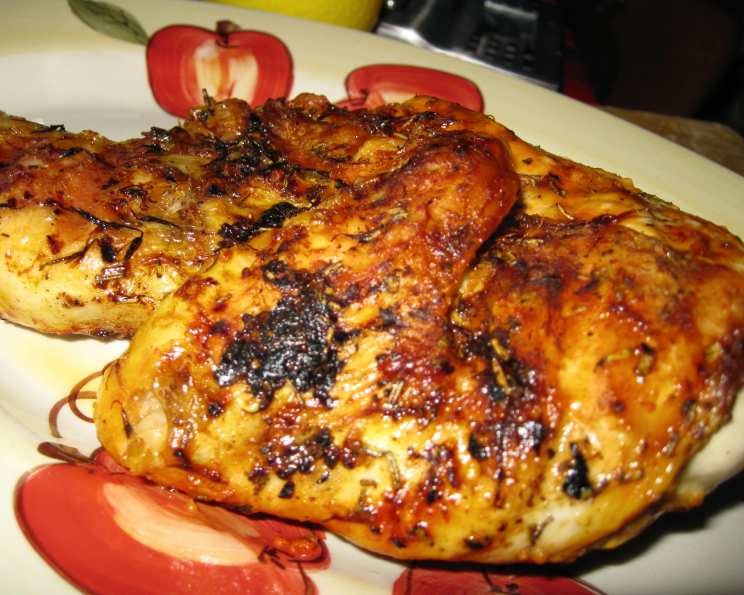
The Quintessential Roast Chicken: A Rosemary-Garlic Symphony
There are few aromas that can instantly transport me back to my grandmother’s kitchen quite like the scent of roasting chicken. It wasn’t just food; it was an event. The crackle of the skin, the promise of tender meat, and the way that simple, humble bird transformed into a centerpiece of comfort and love – it’s etched into my culinary soul. My grandmother, a woman whose hands told stories of a lifetime spent coaxing magic from the earth, had a secret weapon for her roasts: a potent, fragrant paste that infused every bite with an irresistible depth of flavor. This recipe, a faithful rendition of her beloved roast chicken, brings that very same rosemary-garlic essence to your table, promising a moist, deeply flavored bird that will become a cherished staple in your own culinary repertoire.
Recipe Overview
- Prep Time: 30 minutes
- Cook Time: 90 minutes (approximately, depending on oven and chicken size)
- Total Time: 2 hours (including resting time)
- Servings: 6
- Yield: 1 whole roast chicken
- Dietary Type: Gluten-Free, Dairy-Free
Ingredients
For the Rosemary-Garlic Paste:
- 1/4 cup loosely packed fresh rosemary leaves, finely chopped
- 5 juniper berries
- 3 garlic cloves, minced
- 1/2 teaspoon black peppercorns
- 3/4 teaspoon fine sea salt or 3/4 teaspoon coarse kosher salt
- 4 teaspoons olive oil
For the Roast Chicken:
- 1 (4-6 pound) roasting chicken, butterflied, with the backbone and neck removed (you can reserve these for making homemade chicken stock)
- 3-4 whole fresh rosemary sprigs
- 2 tablespoons fresh lemon juice
Equipment Needed
- Mortar and pestle (or a mini food processor)
- Small bowl
- Sharp knife
- Cutting board
- Roasting pan or a 13x9x2-inch ceramic or glass baking dish
- Tongs
- Instant-read thermometer
- Platter for serving
Instructions
-
Crafting the Aromatic Paste: Begin by creating the heart of this flavorful dish – the rosemary-garlic paste. In a mortar, combine the finely chopped rosemary leaves, juniper berries, minced garlic cloves, black peppercorns, and fine sea salt (or kosher salt). If you don’t have a mortar and pestle, a mini food processor works beautifully here to achieve a coarse paste. Grind and crush these ingredients together until they form a fragrant, cohesive paste. Once the paste is formed, stir in the olive oil and fresh lemon juice until well incorporated.
-
Preparing the Chicken: Rinse the butterflied chicken under cool running water and then thoroughly pat it dry with paper towels. A dry surface is crucial for achieving beautifully rendered, crisp skin. Take about 1 teaspoon of the prepared herb mixture and rub it evenly over the bone side of the chicken.
-
Infusing the Flavors: Turn the chicken over so it’s skin-side up, opening it like a book on your work surface. Carefully loosen the skin from the breast and thigh meat by gently sliding your fingers between the skin and the meat. This creates pockets to infuse flavor directly into the meat. Rub a generous portion of the herb mixture underneath the loosened skin, ensuring it’s distributed as evenly as possible over the breast and thighs. Rub any remaining herb mixture over the outside of the chicken. If, by chance, you don’t have quite enough herb mixture to cover the entire exterior, don’t worry. Simply use a bit more olive oil and lemon juice to ensure the outside of the chicken is coated, which will aid in browning and crisping.
-
Setting the Stage for Roasting: Place the whole fresh rosemary sprigs in the bottom of your 13x9x2-inch ceramic or glass baking dish. These sprigs will release their aromatic essence as they roast, subtly perfuming the chicken from below. Carefully place the prepared chicken, skin side up, directly on top of the rosemary sprigs in the baking dish.
-
The Magic of the Ahead Prep: For an even deeper infusion of flavor and a more tender result, you can prepare the chicken up to 8 hours in advance. After rubbing it with the herb mixture and placing it in the baking dish, cover it tightly with plastic wrap and chill it in the refrigerator. Before roasting, remember to let the chicken stand at room temperature for at least 1 hour to take the chill off. This allows the meat to cook more evenly.
-
Roasting to Perfection: Position an oven rack in the center of your oven and preheat it to 400°F (200°C). Once the oven is fully preheated, place the baking dish with the chicken into the oven. Roast the chicken uncovered. The approximate cooking time is 1 1/2 hours, but it’s essential to cook to temperature rather than time. Use an instant-read thermometer and insert it into the thickest part of the thigh, avoiding the bone. The chicken is done when the thermometer registers 170°F (77°C). Depending on your oven’s calibration and the exact size of your chicken, this may take less time, so begin checking after about 70 minutes.
-
The Crucial Rest: Once the chicken has reached the correct internal temperature, transfer it to a clean platter. Let the chicken rest for at least 10 minutes before carving and serving. This resting period is non-negotiable; it allows the juices to redistribute throughout the meat, ensuring a wonderfully moist and tender result. Skipping this step will lead to juices running out onto the cutting board, leaving your chicken dry.
Expert Tips & Tricks
- Juniper Berry Substitute: If you find juniper berries to be elusive, a few teaspoons of Worcestershire sauce can be used as a substitute in the paste. While the flavor profile will shift slightly, it will still create a wonderfully savory roast chicken.
- Herb Variations: While rosemary is divine, don’t hesitate to experiment with other herbs. Thyme or sage can be used in place of rosemary in the paste, offering a slightly different but equally delicious aromatic dimension.
- Oven Variability: Ovens can be notoriously inconsistent. Always trust your thermometer over the clock. If your oven tends to run hot, you might consider reducing the temperature slightly after the initial browning, or keep a closer eye on the chicken from the 70-minute mark.
- Butterflying for Speed: Butterflying the chicken, also known as spatchcocking, is key to its quicker and more even cooking. It allows the heat to circulate more effectively around the entire bird.
- Crispy Skin Secrets: Ensure the chicken is thoroughly dry before applying the paste and roasting. For an extra crispy skin, you can optionally rub a little extra olive oil directly onto the skin before it goes into the oven.
Serving & Storage Suggestions
Serve your magnificent Roast Chicken with Rosemary-Garlic Paste carved into generous portions, allowing the juices to pool invitingly on the plate. It pairs beautifully with roasted root vegetables, a simple green salad, or creamy mashed potatoes. Leftovers can be stored in an airtight container in the refrigerator for up to 3-4 days. For reheating, gently warm slices in a covered dish with a splash of chicken broth or water in a low oven (around 300°F / 150°C) to prevent drying out. The cooked meat also freezes well, though it’s best enjoyed fresh.
Nutritional Information
| Nutrient | Amount per Serving | % Daily Value |
|---|---|---|
| Calories | 685.3 kcal | |
| Calories from Fat | 67% | |
| Total Fat | 51 g | 78% |
| Saturated Fat | 14.2 g | 70% |
| Cholesterol | 220.9 mg | 73% |
| Sodium | 497.2 mg | 20% |
| Total Carbohydrate | 1.2 g | 0% |
| Dietary Fiber | 0.2 g | 0% |
| Sugars | 0.1 g | 0% |
| Protein | 52 g | 104% |
Note: Nutritional information is an estimate and can vary based on specific ingredients and portion sizes.
Variations & Substitutions
- Citrus Twist: If you enjoy a brighter flavor profile, consider adding a few thin slices of lemon or orange directly into the roasting pan alongside the chicken. The steam from the citrus will subtly infuse the meat.
- Spicy Kick: For those who like a little heat, a pinch of red pepper flakes can be added to the rosemary-garlic paste.
- Root Vegetable Medley: Roast chunks of potatoes, carrots, and onions alongside the chicken in the same pan. They will soak up all the delicious pan juices and become incredibly flavorful.
FAQs
Q: Why is butterflying the chicken important for this recipe?
A: Butterflying, or spatchcocking, allows the chicken to cook more quickly and evenly by exposing more surface area to the heat. It also helps the skin crisp up better.
Q: Can I use dried rosemary instead of fresh?
A: While fresh rosemary provides the best flavor and aroma, you can substitute dried rosemary. Use about 1 tablespoon of dried rosemary for every tablespoon of fresh, but be aware the flavor will be more concentrated.
Q: How do I know if my chicken is cooked through if I don’t have an instant-read thermometer?
A: You can check for doneness by piercing the thickest part of the thigh with a skewer or knife. The juices should run clear, with no pinkness. However, an instant-read thermometer is the most accurate method.
Q: My chicken skin didn’t get crispy. What went wrong?
A: Ensure the chicken was thoroughly dried before roasting. Also, make sure your oven was fully preheated to the correct temperature, and that the chicken was not overcrowded in the pan. Using a bit more olive oil on the skin before roasting can also help.
Q: Is it okay to leave the backbone in?
A: Removing the backbone is part of the butterflying process and helps the chicken lay flat for even cooking. If you don’t remove it, the cooking time will likely increase, and the breast meat might dry out before the thighs are cooked.
Final Thoughts
This Roast Chicken with Rosemary-Garlic Paste is more than just a recipe; it’s an invitation to create memorable moments around your table. It’s a testament to how simple, honest ingredients, treated with care, can yield extraordinary results. The fragrant aroma that will fill your home as it roasts is just the prelude to the tender, succulent, and deeply flavorful experience that awaits. Gather your loved ones, carve into this golden-hued masterpiece, and savor the simple joy of a perfectly roasted chicken. I encourage you to try it, and please, share your experiences and any delightful variations you discover. This chicken, I promise you, is destined to become a cherished tradition.