
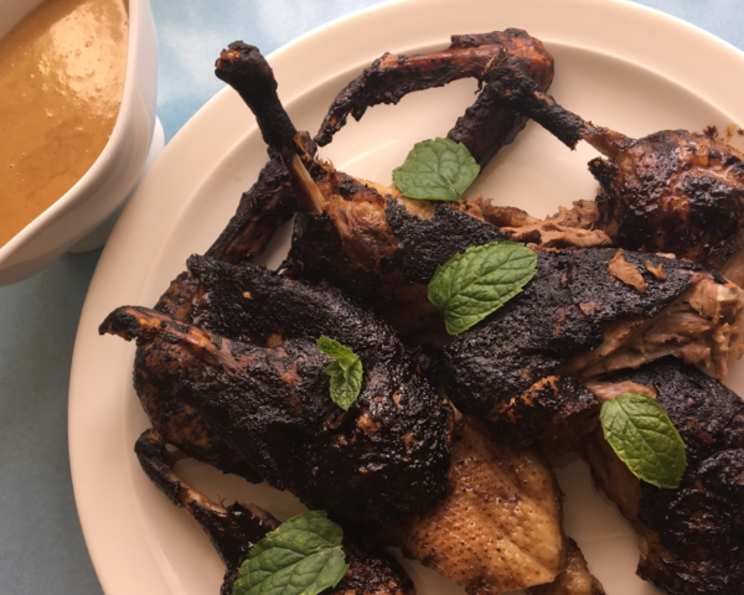
The Art of the Honey Soy Roast Duck: A Culinary Journey
The aroma of roasting duck, especially one lacquered with honey and soy, has a way of transporting me back to cherished moments. I recall one particular Christmas, a few years ago, where I decided to deviate from our usual festive fare and present two magnificent ducks, glistening under a rich glaze. The anticipation in the room was palpable, and as the hours ticked by, the kitchen filled with a scent so enticing it drew everyone closer. What struck me, even then, was the sheer speed at which this succulent bird vanished from the table – a testament to its irresistible flavour and a consistent source of rave reviews in my repertoire. It’s a dish that commands attention, a true centrepiece that whispers of comfort and celebration.
Recipe Overview
Here are the essential details for this delightful roast duck:
- Prep Time: 45 minutes (including any feather removal and sauce preparation)
- Cook Time: 3 hours 45 minutes to 4 hours 15 minutes (depending on duck size and oven calibration)
- Total Time: Approximately 4 hours 30 minutes to 5 hours (including resting time)
- Servings: 4 (based on the duck size provided in the recipe)
- Yield: 1 whole roasted duck
- Dietary Type: Dairy-Free (ensure soy sauce is gluten-free if necessary)
Ingredients
This recipe focuses on a perfectly roasted duck with a sublime honey soy basting sauce.
For the Duck:
- 2 kg duck (The recipe notes that the ducks used were smaller, so this weight should be about right for four people. If your ducks are larger, you may need to adjust the cooking time slightly).
For the Honey Soy Basting Sauce:
- 4 tablespoons Dijon mustard
- 4 tablespoons soy sauce
- 4 tablespoons honey
- 4 garlic cloves, crushed
- 4 tablespoons dry white wine
- 1⁄3 cup olive oil
- 1-2 teaspoons cornflour (for thickening the sauce at the end)
Equipment Needed
To achieve the perfect roast duck, you’ll need a few key pieces of equipment:
- Roasting dish: A sturdy dish that can comfortably hold the duck.
- Small saucepan: For preparing and keeping the basting sauce warm.
- Whisk: Essential for combining the basting sauce ingredients.
- Basting brush: For generously coating the duck.
- Sharp knife: For carving.
- Measuring cups and spoons: For accurate ingredient measurements.
- Oven: A reliable oven with temperature control.
- Cooling rack (optional but recommended): For resting the duck.
Instructions
Crafting this exquisite roast duck involves patience and a love for flavour development. Follow these steps closely for a truly remarkable outcome.
-
Prepare the Duck: Begin by washing the duck under cold running water. Carefully examine the cavity and skin for any missed feathers and pluck them out meticulously. Pat the duck thoroughly dry, both inside and out, with paper towels. This step is crucial for achieving crispy skin.
-
Create the Honey Soy Basting Sauce: In a small saucepan, combine the Dijon mustard, soy sauce, honey, crushed garlic cloves, dry white wine, and olive oil. Whisk these ingredients together until well combined.
-
Initial Sauce Cook: Place the saucepan over high heat and bring the mixture to a boil. Allow it to boil for approximately 2 minutes. This brief boiling period helps to meld the flavours and slightly reduce the sauce. Once boiled, reduce the heat to low and keep the sauce warm while you prepare to baste the duck. Stir it occasionally to prevent sticking.
-
First Basting and Slow Roasting: Preheat your oven to a slow 130°C (266°F). Place the prepared duck into your roasting dish. Generously brush the entire surface of the duck with the warm basting sauce.
-
The Slow Cook: Place the roasting dish into the preheated oven. Allow the duck to bake at this low temperature for approximately three hours. During this slow cooking period, it is vital to baste the duck several times with the reserved sauce. The recipe emphasizes this slow method specifically to prevent the skin from burning, ensuring a tender meat that is not masked by overly crisped or charred skin.
-
Crisping the Skin: After the initial three hours of slow roasting, turn the oven up to 170-180°C (338-356°F). Continue to roast the duck for a further 30-45 minutes. This higher temperature is designed to brown the skin beautifully, making it crisp and irresistible, while also ensuring the duck is cooked through.
-
Prepare the Finishing Sauce: In the final stages of the duck’s cooking, it’s time to prepare the finishing sauce. In a separate small bowl, mix a little water with the cornflour. This will create a slurry.
-
Thicken the Basting Sauce: While the duck is finishing its roast, return the basting sauce remaining in the saucepan to the stove top over medium-high heat. Once the sauce is simmering, add the cornflour mixture, stirring continuously until the sauce thickens to your desired consistency. The recipe suggests 1-2 teaspoons of cornflour, noting that the exact amount will depend on how much sauce has been used during basting and how much it has reduced. Aim for a consistency that coats the back of a spoon.
-
Rest and Serve: Once the duck is cooked, with crisp, browned skin and cooked through meat, remove it from the oven. It’s highly recommended to let the duck rest for at least 10-15 minutes before carving. This allows the juices to redistribute, resulting in a more succulent and tender final product.
-
Serving: Serve the beautifully roast duck with the thickened basting sauce on the side. The recipe notes that because of the distinct Asian flavours, this sauce does not mix well with traditional gravies. If serving alongside other meats, it is best to use a separate side plate for the honey soy sauce to maintain its integrity and distinct flavour profile.
Expert Tips & Tricks
- Feather Removal: A small pair of kitchen tweezers can be invaluable for those stubborn pinfeathers that escape initial inspection.
- Drying is Key: For the crispiest skin possible, ensure the duck is as dry as a bone before basting and roasting. You can even leave it uncovered in the refrigerator for a few hours or overnight (if safe to do so in your climate) to help dry out the skin further.
- Oven Variations: Ovens can be notoriously inconsistent. If you find your duck isn’t browning as expected in the final stage, you can briefly switch on the broiler (grill) for a minute or two, watching it very closely to prevent burning.
- Sauce Consistency: If you accidentally thicken your sauce too much, you can always thin it out with a little more water or white wine. Conversely, if it’s too thin, a tiny bit more cornflour mixed with water can be added.
- Doneness Check: While the visual cues of crisp skin and browned meat are good indicators, you can also use a meat thermometer. The thickest part of the thigh (without touching the bone) should register around 74°C (165°F).
Serving & Storage Suggestions
This magnificent roast duck is best served hot, straight from the oven after its resting period. Carve it into generous portions and present it with the glossy honey soy basting sauce on a separate side dish, as recommended. It makes a spectacular centrepiece for any meal.
For leftovers, allow the duck to cool completely before storing. Wrap it tightly in plastic wrap or place it in an airtight container. It will keep in the refrigerator for 2-3 days. To reheat, gently warm the duck pieces in a low oven (around 150°C/300°F) until heated through, or slice and reheat in a pan with a little of the basting sauce. Avoid microwaving, as this can toughen the meat. The thickened basting sauce can also be stored separately in the refrigerator for up to 3 days and gently reheated.
Nutritional Information
Please note: Nutritional values are estimates and can vary based on the size of the duck and specific ingredient brands used.
| Nutrient | Amount per Serving | % Daily Value |
|---|---|---|
| Calories | 2282.1 kcal | – |
| Calories from Fat | 1938 kcal | – |
| Total Fat | 215.3 g | 331% |
| Saturated Fat | 68.6 g | 343% |
| Cholesterol | 380 mg | 126% |
| Sodium | 1493.2 mg | 62% |
| Total Carbohydrate | 20.9 g | 6% |
| Dietary Fiber | 0.8 g | 3% |
| Sugars | 17.9 g | 71% |
| Protein | 60.3 g | 120% |
Variations & Substitutions
While this recipe sings with its classic honey soy profile, feel free to explore these delightful variations:
- Spicy Kick: For a touch of heat, add a pinch of red pepper flakes or a finely chopped chili to the basting sauce.
- Citrus Brightness: A tablespoon of fresh orange juice or a splash of rice vinegar can add a lovely tang to the sauce.
- Herbal Infusion: Consider adding a sprig of fresh rosemary or thyme to the roasting dish for an aromatic twist.
- Ginger Zest: Swap out half of the garlic for fresh grated ginger for a warmer, more pungent Asian flavour.
FAQs
Q: Why is the duck cooked at such a low temperature initially?
A: The initial low-temperature cooking is essential for rendering the fat slowly and evenly, which prevents the duck skin from burning and ensures the meat remains incredibly tender and moist.
Q: How can I tell if the duck is cooked through?
A: Besides the skin being golden brown and crisp, you can insert a skewer or a sharp knife into the thickest part of the thigh. The juices should run clear, with no pinkness visible. A meat thermometer inserted into the thickest part of the thigh should register around 74°C (165°F).
Q: Can I make the basting sauce ahead of time?
A: Yes, you can prepare the basting sauce (up to the boiling point) a day in advance and store it in an airtight container in the refrigerator. Reheat it gently before using it to baste the duck.
Q: What if my duck skin isn’t crispy enough after the higher temperature roasting?
A: If your skin isn’t achieving the desired crispness, you can carefully increase the oven temperature by another 10-20°C for the last 10-15 minutes, or briefly use the broiler/grill function, watching it vigilantly to prevent burning.
Q: Can I use a different type of oil in the basting sauce?
A: While olive oil is specified, you could substitute it with a neutral-flavoured oil like grapeseed or canola oil. However, olive oil adds a subtle depth of flavour that complements the other ingredients well.
Final Thoughts
Mastering the art of roast duck is a rewarding experience, and this honey soy glazed rendition offers a beautiful balance of sweet, savoury, and aromatic notes. It’s a dish that truly celebrates the richness of the duck, enhanced by a glossy, flavourful sauce that’s utterly moreish. I encourage you to embrace the process, to baste with care, and to savour every succulent bite. This duck is fantastic served with simple steamed rice and a side of crisp, stir-fried greens. Pour yourself a glass of a light-bodied Pinot Noir or a crisp Riesling to complement its rich flavours. I’d love to hear about your own culinary adventures with this recipe – happy cooking!