
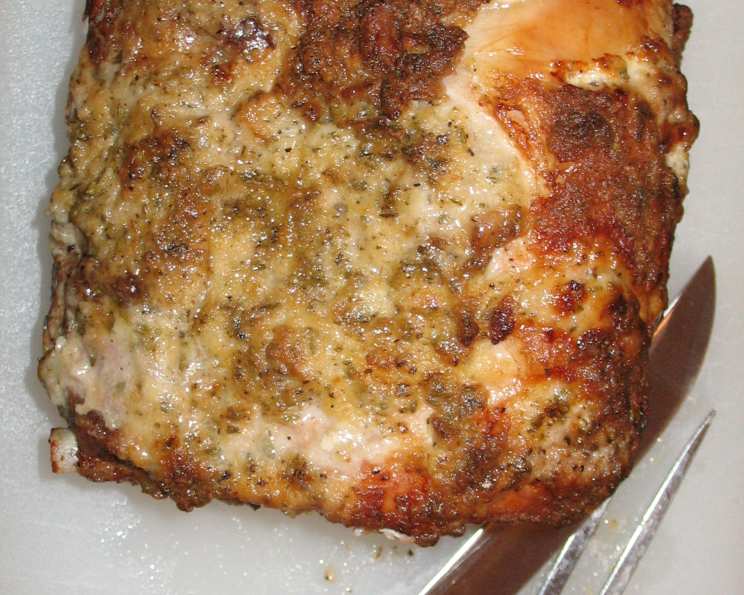
Roast Pork Loin with Dijon Herb Crust: A Culinary Legacy
There are some recipes that transcend mere instructions; they are woven into the fabric of family memories, carrying with them the scent of a particular Sunday afternoon or the warmth of a shared meal. This Roast Pork Loin with Dijon Herb Crust is one such dish for me. It’s a recipe whispered down from my husband’s side of the family, originating from a faded newspaper clipping, likely from the Boston Globe, its yellowed pages a testament to its enduring appeal. Each time I prepare it, I can almost feel my husband’s grandmother in the kitchen, her experienced hands guiding the process, her love infused into every step. This isn’t just a roast; it’s a connection to generations past, a delicious legacy I’m thrilled to share.
Recipe Overview
- Prep Time: 15 minutes
- Cook Time: 1 hour 20 minutes to 1 hour 30 minutes
- Total Time: 1 hour 35 minutes to 1 hour 45 minutes
- Servings: 8
- Yield: 1 roast pork loin
- Dietary Type: Can be adapted for Gluten-Free (ensure no gluten in flour used for the crust)
The Heart of the Dish: Ingredients
The beauty of this recipe lies in its simplicity, allowing the quality of the ingredients to truly shine. We’re working with a magnificent center-cut pork loin, ideally one with 8 rib chops, which not only looks impressive but also promises succulent, tender meat. For ease of carving later, it’s a wonderful touch if your butcher can crack the bones.
Here’s what you’ll need:
- 1 center-cut pork loin, with 8 rib chops (bones cracked by the butcher for easy carving later)
- 1 clove garlic, very thinly sliced (we find using more is always a good idea!)
- 2 sprigs fresh rosemary
- 3 sprigs fresh sage
- 2 tablespoons Dijon mustard
- 1/4 cup olive oil
- Salt, to taste
- Fresh ground black pepper, to taste
- 2 tablespoons flour (use a gluten-free blend if needed)
- Extra chopped rosemary, for garnish
- Extra chopped sage, for garnish
Essential Tools for Success
While this recipe doesn’t demand an extensive array of specialized equipment, a few key items will ensure a smooth and successful cooking experience:
- A small, sharp knife for making incisions in the pork.
- A cutting board for preparing ingredients.
- A bowl for mixing the herb crust.
- A fork for mashing ingredients.
- A measuring cup and measuring spoons.
- A roasting pan fitted with a rack.
- A meat thermometer for precise doneness.
- A spoon for spreading the herb mixture.
Crafting the Perfect Roast: Step-by-Step Instructions
This roast comes together with straightforward steps that yield exceptional results. The key is in the preparation and careful temperature management.
- Prepare the Oven and Pork: Begin by preheating your oven to a robust 450 degrees Fahrenheit. This initial high heat is crucial for developing a beautiful, golden crust on the pork. Next, take your center-cut pork loin and, using your small, sharp knife, make tiny, shallow slits all over the surface of the meat. These incisions will serve as little pockets for our aromatic garlic.
- Infuse with Garlic: Take your very thinly sliced garlic and gently insert pieces into each of the slits you’ve made in the pork. Don’t be shy; the garlic will mellow and become wonderfully sweet as it roasts, imparting a subtle yet delightful flavor throughout the meat.
- Assemble the Herb Crust: Now, let’s create that irresistible crust. Pull the rosemary and sage leaves from their stems. Finely chop these fresh herbs and transfer them into a bowl. Add the Dijon mustard to the herbs. With a fork, begin to mash the mustard into the herb leaves, breaking them down slightly.
- Emulsify the Crust: Gradually drizzle in the olive oil, a few drops at a time, while continuing to mash with your fork. This will help to create a cohesive paste. Once the oil is incorporated, blend in the salt, pepper, and flour. The flour acts as a binder, helping the crust adhere beautifully to the pork during roasting.
- Position and Coat the Pork: Place the prepared pork loin, fat side up, in your roasting pan fitted with a rack. The rack ensures that air circulates around the roast, promoting even cooking and crisping. Now, using the back of a spoon, generously spread the herb mixture all over the top and sides of the pork. Ensure a good, even coating.
- The Initial Sear: Carefully transfer the roasting pan with the pork to the hot oven and roast for 30 minutes. This initial blast of heat will begin the caramelization process and start building that desirable crust.
- Lower the Temperature for Gentle Roasting: After 30 minutes, it’s time to adjust the oven. Turn the oven temperature down to 350 degrees Fahrenheit. This lower, more moderate heat will allow the pork to cook through evenly and tenderly without burning the crust.
- The Final Cook: Continue cooking the pork for an additional 50 to 60 minutes, or until a meat thermometer, inserted into the thickest part of the pork loin (avoiding any bones), registers 155 degrees Fahrenheit. It’s important to remember that pork is considered safely done at 160 degrees Fahrenheit, and the temperature will naturally rise by about 5 degrees as the meat rests in a warm place after cooking, bringing it to that perfect temperature.
Chef’s Notes: Elevating Your Roast
- Herb Freshness is Key: While dried herbs can be used in a pinch, the vibrancy of fresh rosemary and sage is irreplaceable here. Don’t skimp on them!
- Garlic Intensity: If you’re a true garlic lover, feel free to increase the amount of garlic slices. They become mellow and sweet when roasted, so a little extra is rarely a bad thing.
- Racking it Up: Using a rack in your roasting pan is non-negotiable for this recipe. It allows for proper air circulation, ensuring a beautifully browned and crisp exterior on all sides of the roast.
- Resting is Crucial: Just as important as the cooking time is the resting time. After removing the pork from the oven, tent it loosely with foil and let it rest for at least 10-15 minutes before carving. This allows the juices to redistribute throughout the meat, resulting in a more tender and moist roast.
- Bone Matters: Those cracked bones are there for a reason! They not only add a rustic charm but also help to insulate the meat and make carving a dream.
Serving and Savouring: The Grand Finale
Once your roast has rested, it’s time for the grand unveiling. Carve the pork loin into thick, juicy slices, making sure to slice between the ribs for beautifully portioned chops. Arrange the slices on a warmed platter. For a final flourish and a pop of color, garnish with the extra chopped rosemary and sage.
This roast is magnificent served alongside creamy mashed potatoes, roasted root vegetables, or a vibrant green salad. A simple pan gravy made from the drippings in the roasting pan is also a wonderful accompaniment.
Leftovers can be stored in an airtight container in the refrigerator for up to 3-4 days. For longer storage, they can be frozen for up to 2-3 months. Reheat gently in the oven or on the stovetop to preserve moisture.
A Glimpse at the Nutritional Profile
While precise nutritional values can vary based on the exact cut and size of the pork loin, here’s an approximate breakdown per serving:
| Nutrient | Amount per Serving | % Daily Value |
|---|---|---|
| Calories | 350 kcal | 18% |
| Total Fat | 15g | 23% |
| Saturated Fat | 5g | 25% |
| Cholesterol | 100mg | 33% |
| Sodium | 100mg | 4% |
| Total Carbohydrate | 2g | 1% |
| Dietary Fiber | 0g | 0% |
| Sugars | 1g | 1% |
| Protein | 40g | 80% |
Note: These are approximate values and can fluctuate.
Variations to Spark Your Creativity
While this classic rendition is superb, here are a few ideas to adapt it to your liking:
- Gluten-Free: Ensure the flour used in the crust is a gluten-free blend.
- Spicier Kick: Add a pinch of red pepper flakes to the herb mixture for a subtle warmth.
- Lemon Zest: A teaspoon of finely grated lemon zest can add a bright, citrusy note to the herb crust.
- Garlic Lover’s Delight: As mentioned, don’t hesitate to add more garlic cloves!
Frequently Asked Questions
Q: Can I use a different cut of pork for this recipe?
A: While a center-cut pork loin is ideal for its even thickness and tenderness, you could adapt this recipe for a boneless pork loin roast, though cooking times may vary.
Q: My herb crust isn’t sticking well. What went wrong?
A: Ensure your pork loin surface is relatively dry before applying the crust, and press it firmly with the back of the spoon to help it adhere. The olive oil and Dijon mustard act as binders.
Q: How do I know if the pork is cooked through without a thermometer?
A: While a thermometer is the most accurate method, you can also check for doneness by piercing the thickest part of the roast with a skewer. The juices should run clear, with no pinkness. However, a thermometer is highly recommended for safety and accuracy.
Q: Can I prepare the herb crust in advance?
A: Yes, you can prepare the herb crust mixture a few hours ahead of time and store it, covered, in the refrigerator. Let it come to room temperature slightly before applying it to the pork for easier spreading.
Q: What should I do if the crust starts to brown too quickly?
A: If the crust is browning too rapidly during the cooking process, you can loosely tent the pork loin with aluminum foil to shield it from direct heat.
A Legacy on Your Table
This Roast Pork Loin with Dijon Herb Crust is more than just a meal; it’s an invitation to gather, to share, and to savor. It’s a testament to how simple, quality ingredients, treated with care, can create something truly extraordinary. Whether you’re celebrating a special occasion or simply looking to elevate your weeknight dinner, this roast is sure to impress. I encourage you to try it, to make it your own, and to perhaps even start a new family tradition around this timeless dish. Enjoy every delicious bite!