
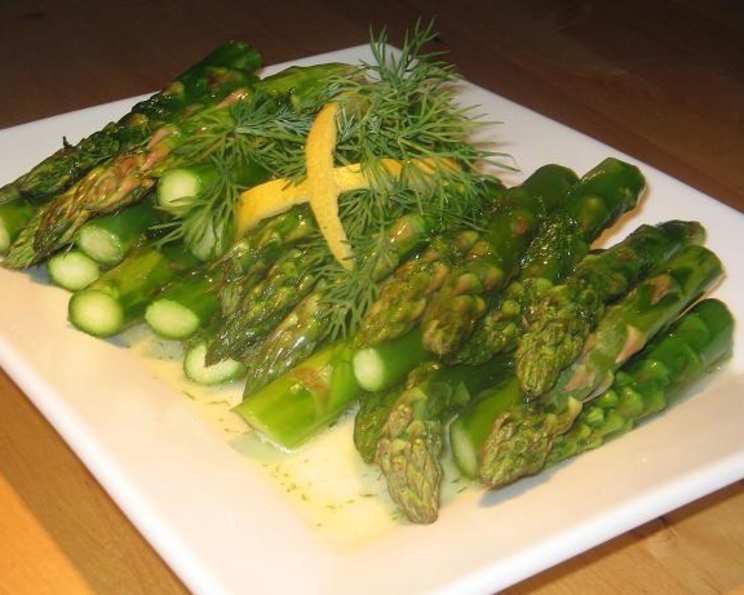
Roasted Asparagus with Lemon and Dill: A Springtime Symphony on a Plate
I remember my first encounter with truly exceptional roasted asparagus. It was a crisp spring evening, the kind where the air still held a hint of chill but the promise of warmer days was undeniable. We were at a small trattoria in Tuscany, a place where the ingredients spoke for themselves. The waiter presented a simple side dish – vibrant green spears, glistening with olive oil, adorned with flecks of emerald dill and a whisper of lemon. That first bite was a revelation. It wasn’t just cooked asparagus; it was the essence of spring, captured perfectly. The slight char from the roasting brought out an unexpected sweetness, a delightful contrast to the bright, zesty notes of lemon and the herbaceous perfume of dill. It was simple, yes, but in its simplicity lay a profound depth of flavor that has stayed with me, inspiring countless variations in my own kitchen. This recipe aims to recreate that same magic, bringing the clean, refreshing flavors of spring directly to your table.
Recipe Overview
- Prep Time: 10 minutes
- Cook Time: 10 minutes
- Total Time: 20 minutes
- Servings: 4
- Yield: Serves 4 as a side
- Dietary Type: Vegan, Gluten-Free, Dairy-Free
Ingredients
- 1 lb asparagus, trimmed
- 3 tablespoons olive oil, divided
- Salt and pepper, to taste
- 2 lemons, juice and zest of
- 1 ½ tablespoons fresh dill, chopped
- ½ teaspoon honey
Equipment Needed
- Baking sheet
- Shallow dish or bowl for tossing
- Small bowl for dressing
- Whisk
- Serving plate
Instructions
- Preheat your oven to a robust 425 degrees F. This high heat is crucial for achieving that perfect tender-crisp texture with just a hint of char on the asparagus.
- In a shallow dish or a medium-sized bowl, combine the asparagus spears, 3 tablespoons of olive oil, and a generous pinch of salt and pepper. Toss gently to ensure each spear is lightly coated.
- Arrange the asparagus in a single layer on a baking sheet. It’s important not to overcrowd the pan; this allows the asparagus to roast evenly and develop that desirable slight caramelization, rather than steam.
- Place the baking sheet in the preheated oven. Roast, uncovered, for approximately 10 minutes, or until the asparagus is just tender. The exact cooking time can vary slightly depending on the thickness of your asparagus spears. Thicker stalks will require closer to the 10-minute mark, while thinner ones might be perfectly tender in as little as 7-8 minutes. You’re looking for a vibrant green color and spears that yield easily to a fork, but still have a slight bite.
- While the asparagus is roasting, prepare the vibrant dressing. In a small bowl, whisk together the juice of 2 lemons, the zest of 2 lemons, the chopped fresh dill, the remaining 3 tablespoons of olive oil, and the honey. Whisk until everything is well combined and emulsified.
- Once the asparagus is perfectly roasted, transfer it to a serving plate.
- Drizzle some of the prepared lemon-dill dressing generously over the warm asparagus. You can either serve the remaining dressing on the side for guests to add more to their liking, or ensure all the asparagus is beautifully coated.
Expert Tips & Tricks
The beauty of this dish lies in its simplicity, but a few chef-level touches can elevate it even further. When selecting your asparagus, opt for thicker spears. They hold up better to the high heat of roasting and offer a more satisfying texture. If you find yourself with pencil-thin stalks, reduce the roasting time to just 3-4 minutes to avoid them becoming mushy.
For an extra layer of flavor, consider adding a clove of minced garlic to the olive oil mixture before tossing with the asparagus. It infuses a subtle garlicky aroma during roasting. Alternatively, a pinch of red pepper flakes can add a gentle warmth that complements the bright citrus notes.
To ensure your lemon zest is fragrant and releases its essential oils, use a microplane grater. This will give you a fine, aromatic dust rather than larger, tougher pieces. And remember, fresh dill makes all the difference; dried dill simply won’t impart the same vibrant, herbaceous character.
If you’re short on time, you can prep the lemon-dill dressing a few hours in advance and store it in an airtight container in the refrigerator. Whisk it again before drizzling over the asparagus.
Serving & Storage Suggestions
Roasted asparagus with lemon and dill is a wonderfully versatile side dish. It pairs beautifully with grilled fish, roasted chicken, or even as a sophisticated accompaniment to a simple steak. For an attractive presentation, arrange the asparagus spears neatly on a platter and ensure the vibrant green of the dill and the glistening dressing are visible.
Leftovers can be stored in an airtight container in the refrigerator for up to 2 days. While it’s best enjoyed fresh, chilled roasted asparagus can be a delightful addition to salads or grain bowls. To reheat, a quick toss in a warm oven (around 350°F for 5-7 minutes) will revive its texture, or you can enjoy it at room temperature. Avoid microwaving, as this can lead to a less desirable texture.
Nutritional Information
| Nutrient | Amount per Serving | % Daily Value |
|---|---|---|
| Calories | 212 kcal | |
| Calories from Fat | 185 kcal | |
| Total Fat | 20.6 g | 31% |
| Saturated Fat | 2.9 g | 14% |
| Cholesterol | 0 mg | 0% |
| Sodium | 16.7 mg | 0% |
| Total Carbohydrate | 7 g | 2% |
| Dietary Fiber | 2.4 g | 9% |
| Sugars | 2.8 g | 11% |
| Protein | 2.8 g | 5% |
Nutritional values are estimates and can vary based on specific ingredients and portion sizes.
Variations & Substitutions
While the classic combination of lemon and dill is hard to beat, feel free to explore variations. For a touch of garlic-forward flavor, you can add a minced clove of garlic to the initial olive oil toss. If you enjoy a little heat, a pinch of red pepper flakes can be added to the dressing.
Parsley can be used as a substitute for dill, offering a slightly milder, more universally appealing herbaceous note. You could also experiment with other citrus elements, like a splash of orange juice or a sprinkle of lime zest, to create a different flavor profile. For a richer mouthfeel, a tiny drizzle of good quality balsamic glaze can be added just before serving.
FAQs
Q: Why should I use thick asparagus spears for roasting?
A: Thicker asparagus spears hold up better to the high roasting temperature, ensuring they become tender without becoming mushy.
Q: Can I use dried dill instead of fresh?
A: While you can use dried dill, fresh dill provides a much brighter, more vibrant herbaceous flavor that is ideal for this dish. If you must use dried, start with ½ teaspoon.
Q: How do I know when the asparagus is perfectly roasted?
A: The asparagus should be vibrantly green, tender when pierced with a fork, and ideally have a few lightly caramelized tips. Avoid overcooking, which will make it limp and dull.
Q: Can I roast other vegetables alongside the asparagus?
A: Absolutely! Cherry tomatoes, bell pepper strips, or even thin slices of zucchini can be roasted at the same temperature. Just ensure they are cut to a size that will cook in a similar timeframe or add them to the pan accordingly.
Q: Is it okay to prepare the lemon-dill dressing ahead of time?
A: Yes, the dressing can be made a few hours in advance. Whisk it again before serving to re-emulsify.
Final Thoughts
This simple yet elegant dish embodies the joy of fresh, seasonal cooking. It’s a testament to how a few high-quality ingredients, treated with care, can create something truly memorable. I encourage you to give this Roasted Asparagus with Lemon and Dill a try. It’s a perfect example of how healthy can also be incredibly delicious. Serve it as a vibrant side to your next meal, and I’m confident it will become a fast favorite. Enjoy the bright, clean flavors, and perhaps, just perhaps, you’ll be inspired to create your own culinary memories.