
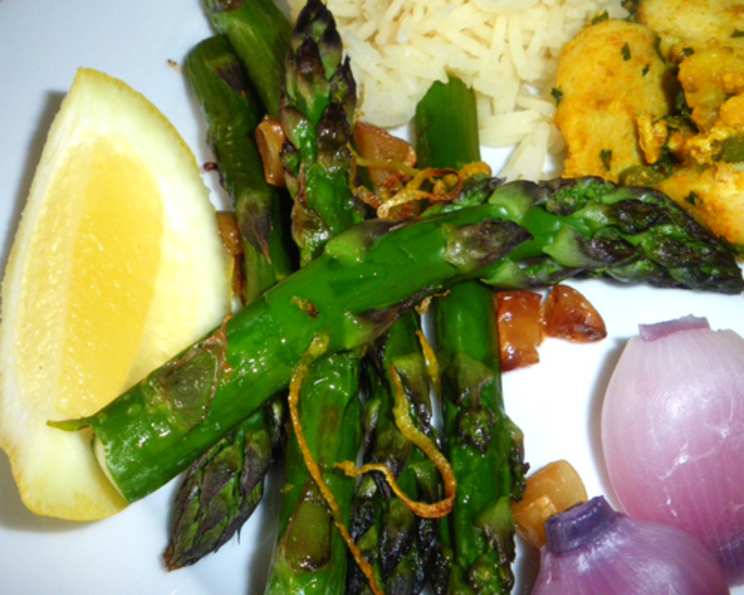
The Verdant Elegance of Roasted Asparagus with Lemon
There are some dishes that, with their utter simplicity, manage to capture the very essence of a season. For me, roasted asparagus with lemon is one of those dishes. I remember a particularly crisp spring evening, just after a long, dark winter, when my grandmother, a woman whose kitchen was a sanctuary of aromatic magic, pulled a tray of these vibrant green spears from the oven. The air was immediately perfumed with the sweet, earthy scent of the asparagus, kissed by the bright, citrusy tang of lemon and the subtle warmth of garlic. It was a revelation – a testament to how the most profound flavors often come from the most straightforward preparations. This dish, in its purest form, represents that moment of spring’s arrival, a culinary awakening that never fails to bring a smile to my face.
Recipe Overview
- Prep Time: 10 minutes
- Cook Time: 6-8 minutes
- Total Time: 16-18 minutes
- Servings: 8
- Yield: 1 Side Dish
- Dietary Type: Vegan, Gluten-Free, Dairy-Free
Ingredients
- 2 pounds asparagus spears
- 1/4 cup extra virgin olive oil
- 2 cloves garlic, minced
- Zest of 1 lemon
- Salt and freshly ground black pepper, to taste
- 1 lemon, cut into 8 wedges
Equipment Needed
- Baking sheet
- Small bowl
- Whisk
- Oven
Instructions
-
Preheat Your Oven: Begin by positioning a rack in the upper third of your oven. This placement ensures that the asparagus will receive direct heat for optimal roasting, developing a beautiful char without becoming overcooked. Then, preheat your oven to 450°F (230°C). A hot oven is key to achieving that tender-crisp texture characteristic of perfectly roasted asparagus.
-
Prepare the Asparagus: Take your 2 pounds of asparagus spears. The first step is to snap off the tough, woody stem ends. The easiest way to do this is to hold a spear near the bottom and gently bend it. It will naturally break at the point where the tender part meets the woody stem. Discard the tough ends. Once prepped, arrange the asparagus spears in a single layer on a baking sheet. Ensure they aren’t overlapping too much, as this will allow for even cooking and browning.
-
Create the Flavorful Dressing: In a small bowl, combine the 1/4 cup of extra virgin olive oil, the 2 minced garlic cloves, and the zest of 1 lemon. Whisk these ingredients together until they are well incorporated. This simple dressing will infuse the asparagus with bright, aromatic notes.
-
Dress and Season the Asparagus: Brush the asparagus evenly with the oil mixture, ensuring that each spear is well coated. You can use a pastry brush for this, or simply drizzle the mixture over the spears and use your hands to gently toss them. Turn the spears to coat well on all sides. This thorough coating is essential for even flavoring and achieving that delightful roasted quality. Next, season generously with salt and freshly ground black pepper, to your personal taste. Don’t be shy with the seasoning; it will bring out the natural sweetness of the asparagus.
-
Add the Lemon Wedges: Arrange the lemon wedges around the asparagus on the baking sheet. These wedges will roast alongside the asparagus, softening and releasing their vibrant juices, which will then caramelize slightly in the oven.
-
Roast to Perfection: Place the baking sheet with the asparagus and lemon wedges into the preheated oven. Bake until the asparagus is tender and just turning golden, approximately 6 to 8 minutes. The exact time will depend on the thickness of your asparagus spears and your individual oven. Keep a close eye on it during the last few minutes; you want them tender-crisp, not mushy, with a hint of char for added flavor.
-
Serve Promptly: Once the asparagus has reached its desired tenderness and color, transfer the asparagus to a warmed serving platter. The warmth of the platter will help keep the asparagus at an optimal temperature. Finally, drizzle with the pan juices that have collected on the baking sheet. These juices are packed with the concentrated flavors of the olive oil, garlic, lemon zest, and roasted lemon.
Expert Tips & Tricks
- Choosing Asparagus: For the best results, select fresh, firm asparagus spears that are bright green and have tightly closed tips. Avoid spears that are limp or have wilting tips. Thicker spears will require slightly longer cooking times than thinner ones, so try to pick spears of a similar thickness for even roasting.
- Oven Temperature is Key: That 450°F (230°C) temperature is crucial. It’s hot enough to rapidly cook the asparagus, rendering it tender while still retaining a slight bite, and it also encourages a beautiful, lightly browned exterior. If your oven tends to run hot, you might want to check the asparagus a minute or two earlier.
- Don’t Crowd the Pan: Overcrowding the baking sheet will cause the asparagus to steam rather than roast, leading to a less desirable texture and less browning. If you have a very large batch, consider using two baking sheets.
- Zest is Best: Using lemon zest in the oil mixture provides an intense burst of lemon flavor without adding excess moisture, which could impede the roasting process. The lemon wedges on the side offer a fresh, juicy counterpoint when served.
- Warmed Platter: Serving on a warmed platter isn’t just for show; it helps maintain the temperature of the asparagus, ensuring it’s enjoyed at its peak throughout the meal.
Serving & Storage Suggestions
Roasted asparagus with lemon is a wonderfully versatile side dish. It’s best served immediately after roasting to enjoy its vibrant color and tender-crisp texture. It pairs beautifully with grilled fish, roasted chicken, a perfectly cooked steak, or even as a sophisticated addition to a brunch spread.
Leftovers can be stored in an airtight container in the refrigerator for up to 2 days. While it’s not quite as appealing cold as it is warm, it can still be enjoyed. To reheat, spread the asparagus in a single layer on a baking sheet and warm it in a 350°F (175°C) oven for about 5-7 minutes, or until heated through. Be careful not to overcook it, as it can become mushy. It’s generally not recommended to freeze roasted asparagus, as the texture can become quite watery upon thawing.
Nutritional Information
| Nutrient | Amount per Serving | % Daily Value |
|---|---|---|
| Calories | 88.5 kcal | |
| Calories from Fat | ||
| Total Fat | 7 g | 10% |
| Saturated Fat | 1 g | 5% |
| Cholesterol | 0 mg | 0% |
| Sodium | 16.6 mg | 0% |
| Total Carbohydrate | 6.4 g | 2% |
| Dietary Fiber | 2.9 g | 11% |
| Sugars | 1.5 g | 5% |
| Protein | 2.9 g | 5% |
Nutritional values are estimates and can vary based on ingredient brands and preparation methods.
Variations & Substitutions
While this recipe is elegantly simple, there’s always room for a little culinary creativity:
- Herbaceous Addition: For an extra layer of flavor, toss in a tablespoon of fresh, finely chopped herbs like parsley, chives, or dill along with the oil mixture.
- A Touch of Spice: If you enjoy a little heat, add a pinch of red pepper flakes to the olive oil mixture before brushing it onto the asparagus.
- Garlic Power: For a more intense garlic flavor, you can roast a whole head of garlic alongside the asparagus. Squeeze the softened cloves onto the asparagus before serving.
- Other Citrus Notes: While lemon is classic, a splash of lime juice in the dressing can offer a different, equally refreshing citrus profile.
FAQs
Q: How do I know when my asparagus is perfectly roasted?
A: The asparagus should be tender when pierced with a fork and have a bright green color with a few lightly browned, almost caramelized tips. It should still have a slight crispness (tender-crisp), not be completely soft or limp.
Q: Can I use dried garlic instead of fresh?
A: While fresh minced garlic provides the best flavor, you can substitute about 1/2 teaspoon of garlic powder for the 2 cloves of fresh garlic if needed. Add it to the olive oil and lemon zest.
Q: My asparagus spears are very thin. Will this recipe still work?
A: Yes, but you will need to reduce the baking time significantly. Thinner spears may only need 4-5 minutes to become tender-crisp. Keep a very close eye on them to prevent overcooking.
Q: Can I prepare the asparagus ahead of time?
A: You can snap the ends off the asparagus and store them in the refrigerator for up to a day. However, it’s best to dress and roast them just before serving for optimal texture and flavor.
Q: What if I don’t have extra virgin olive oil?
A: A good quality regular olive oil or even a neutral oil like avocado oil can be used in a pinch. Extra virgin olive oil offers the best flavor, but these substitutions will still yield delicious results.
Final Thoughts
This Roasted Asparagus with Lemon is more than just a recipe; it’s an experience. It’s a celebration of fresh, seasonal ingredients at their absolute best. It proves that with a few simple elements and a little heat, you can create something truly spectacular. So, the next time spring graces us with its bounty, I encourage you to embrace its vibrant offerings and let this simple yet profound dish grace your table. It’s a culinary whisper of sunshine and renewal, a perfect accompaniment to almost any meal, and a dish that’s sure to become a cherished favorite.