
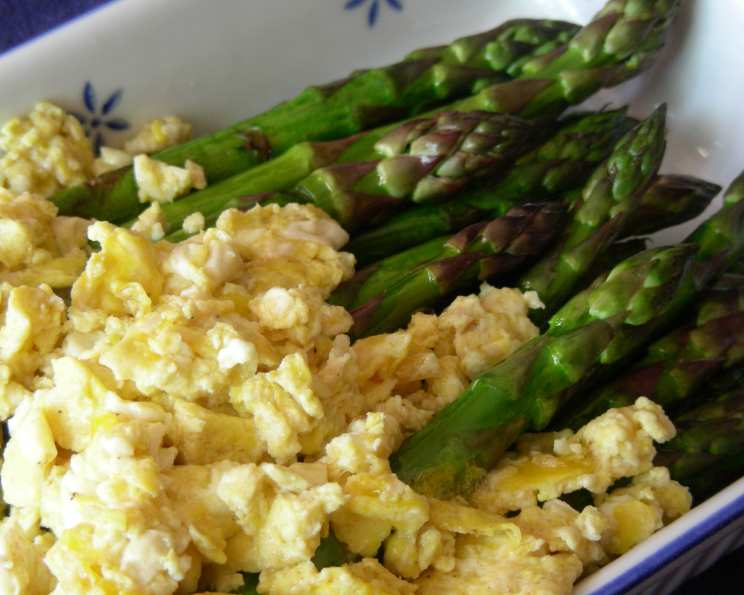
Roasted Asparagus with Silky Scrambled Eggs: A Symphony of Spring
There are certain dishes that just feel like spring, and for me, this combination of beautifully roasted asparagus and impossibly creamy scrambled eggs is at the very top of that list. I remember one particularly crisp April morning, the kind where the air still carries a hint of winter chill but the sun beams with the promise of warmer days. I’d just returned from the farmers’ market, my basket overflowing with the first tender stalks of asparagus, their spears a vibrant emerald green. That day, the idea of transforming these humble vegetables into something truly special, something elegant yet effortlessly prepared, took root. The delicate, slightly sweet crunch of the roasted asparagus, kissed by the heat of the oven and finished with a whisper of Parmesan, perfectly complements the luxurious, cloud-like texture of slow-cooked scrambled eggs. It’s a dish that speaks of simple pleasures, of fresh ingredients celebrated, and of moments savored.
Recipe Overview
- Prep Time: 15 minutes
- Cook Time: 20-25 minutes
- Total Time: 35-40 minutes
- Servings: 6
- Yield: A delightful brunch or light dinner for six
- Dietary Type: Vegetarian
Ingredients
For the Roasted Asparagus:
- 2 lbs fresh asparagus
- Olive oil
- 1 ¼ teaspoons kosher salt, plus extra for sprinkling
- Fresh ground black pepper
- ½ cup Parmesan cheese, freshly grated
For the Scrambled Eggs:
- 16 extra-large eggs
- 1 ¼ cups half-and-half
- 4 tablespoons unsalted butter (½ stick)
- Kosher salt, to taste
- Fresh ground black pepper, to taste
Equipment Needed
- Baking sheet
- Large bowl
- Whisk
- Large skillet (preferably non-stick or well-seasoned cast iron)
- Wooden spoon or heatproof spatula
- Tongs (optional, for handling asparagus)
Instructions
-
Preheat the oven to 400 degrees Fahrenheit (200 degrees Celsius). This is your first step towards achieving perfectly roasted asparagus. A hot oven ensures the asparagus cooks quickly, retaining its vibrant color and a pleasant crisp-tender texture.
-
Prepare the asparagus. Begin by breaking off the tough, woody ends of the asparagus. You can do this by hand; simply hold a stalk and bend it gently. It will naturally snap at the point where the tough bottom meets the tender spear. If your asparagus stalks are particularly thick, you might want to peel them from just below the tip down to the base using a vegetable peeler. This ensures even cooking and a more tender bite.
-
Coat the asparagus. Place the prepared asparagus on a baking sheet. Drizzle generously with olive oil. Use your hands or tongs to toss the asparagus until it’s completely coated in the oil. This is crucial for achieving that beautiful roasted flavor and preventing sticking.
-
Season the asparagus. Spread the asparagus in a single layer on the baking sheet. Don’t overcrowd the pan, as this will steam the asparagus rather than roast it. Sprinkle it liberally with salt and fresh ground black pepper. Taste is king, so season with confidence!
-
Roast the asparagus. Place the baking sheet in the preheated oven. Roast for 15 to 20 minutes. You’re looking for the asparagus to be tender but still crisp. It should be easily pierced with a fork but still have a slight bite. Cooking time will vary slightly depending on the thickness of your asparagus spears and your oven.
-
Add Parmesan and finish roasting. Once the asparagus is tender-crisp, remove the baking sheet from the oven. Sprinkle the half cup of grated Parmesan cheese evenly over the top of the asparagus. Return the baking sheet to the oven for an additional 5 minutes, or until the cheese melts and becomes lightly golden. This step adds a wonderfully savory, nutty dimension to the asparagus.
-
Prepare the egg mixture. While the asparagus is in its final roasting stage, turn your attention to the eggs. In a large bowl, whisk together the 16 extra-large eggs, the 1 ¼ cups of half-and-half, and your measured kosher salt and fresh ground black pepper. Whisk until the yolks and whites are fully combined and the mixture is a uniform pale yellow. Seasoning here is important, as it forms the flavor base for your eggs.
-
Melt the butter for the eggs. Place a large skillet over medium-low heat. Add 2 tablespoons of the unsalted butter (which is half of the total 4 tablespoons). Allow the butter to melt completely, coating the bottom of the skillet.
-
Cook the scrambled eggs. Pour the whisked egg mixture into the melted butter in the skillet. This is where patience and gentle heat are key for truly luxurious scrambled eggs. Cook the eggs on the lowest heat, stirring constantly with a wooden spoon or heatproof spatula. Your goal is to gently fold and stir the eggs as they cook, creating soft curds. Continue this process until the eggs reach your desired doneness. They should be creamy and just set, not dry or rubbery.
-
Finish the eggs with butter. Once the eggs are cooked to your liking, remove the skillet from the heat. Add the remaining 2 tablespoons of unsalted butter to the skillet. Stir until the butter melts and is incorporated into the eggs. This final addition of butter enriches the eggs, giving them an unparalleled glossy finish and a wonderfully smooth texture.
-
Check seasoning and serve. Check the seasoning of your scrambled eggs one last time and adjust with salt and pepper if needed. Serve the perfectly roasted asparagus immediately alongside the silky scrambled eggs.
Expert Tips & Tricks
- Asparagus Selection: For this recipe, aim for asparagus spears that are roughly the same thickness. This ensures they cook evenly. If you have a mix of thin and thick spears, you might need to add the thinner ones to the baking sheet a few minutes after the thicker ones.
- The Art of Low and Slow Eggs: The key to incredibly creamy scrambled eggs is low heat and constant, gentle stirring. Avoid the temptation to crank up the heat, which will lead to tough, rubbery eggs. The final addition of butter off the heat is a classic technique that makes a world of difference in texture and flavor.
- Don’t Overcook the Asparagus: While you want it tender, overcooked asparagus becomes limp and loses its appeal. Keep an eye on it during the roasting process and err on the side of slightly underdone if you’re unsure. It will continue to cook a bit as it sits.
- Parmesan Power: If you’re not a fan of Parmesan, you could experiment with a finely grated Pecorino Romano for a sharper flavor, or even a dusting of nutritional yeast for a dairy-free savory note.
- Make Ahead Note: The asparagus can be roasted a day in advance and gently reheated. However, scrambled eggs are best made fresh.
Serving & Storage Suggestions
This dish is truly best enjoyed immediately, while the asparagus is warm and crisp-tender and the eggs are luxuriously creamy. For a beautiful presentation, arrange the roasted asparagus spears artfully on a platter or individual plates and spoon the scrambled eggs alongside. A sprinkle of fresh chives or parsley can add a lovely pop of color and freshness.
Storage: Leftover roasted asparagus can be stored in an airtight container in the refrigerator for up to 2-3 days. It can be enjoyed cold, added to salads, or gently reheated. Scrambled eggs are trickier to store and reheat without sacrificing texture. If you have leftovers, store them in an airtight container in the refrigerator for no more than 1 day. Reheat very gently over low heat with a splash of milk or cream, stirring constantly. It’s generally recommended to make the eggs fresh for the best possible experience.
Nutritional Information
| Nutrient | Amount per Serving | % Daily Value |
|---|---|---|
| Calories | 427 kcal | |
| Calories from Fat | 282 g | 66% |
| Total Fat | 31.4 g | 48% |
| Saturated Fat | 14.8 g | 73% |
| Cholesterol | 700.6 mg | 233% |
| Sodium | 732 mg | 30% |
| Total Carbohydrate | 9.6 g | 3% |
| Dietary Fiber | 3.2 g | 12% |
| Sugars | 4.2 g | 16% |
| Protein | 27.6 g | 55% |
Note: Nutritional values are estimates and can vary based on specific ingredient brands and preparation methods.
Variations & Substitutions
- Lemon Zest: For a bright, citrusy lift, add the zest of half a lemon to the asparagus during the last 5 minutes of roasting, or to the finished scrambled eggs.
- Herbs: Finely chopped fresh herbs like dill, chives, or parsley can be stirred into the scrambled eggs just before serving for an extra layer of flavor.
- Spicy Kick: Add a pinch of red pepper flakes to the asparagus before roasting, or a dash of your favorite hot sauce to the eggs.
- Other Spring Vegetables: While asparagus is the star, you could also add a handful of fresh peas or chopped spring onions to the asparagus during the last few minutes of roasting for added color and flavor.
FAQs
Q: Why do I need to break off the ends of the asparagus?
A: The lower part of the asparagus stalk is woody and tough, making it unpleasant to eat. Breaking it naturally removes this fibrous part, leaving you with tender, edible spears.
Q: Can I use milk instead of half-and-half for the eggs?
A: Yes, you can use whole milk, but the eggs will be slightly less rich and creamy. Using half-and-half provides a luxurious texture that’s worth the slight indulgence.
Q: My asparagus is very thick. What should I do?
A: For very thick asparagus, peeling the lower half of the stalk with a vegetable peeler will ensure it cooks evenly and becomes tender.
Q: How do I know when my scrambled eggs are done?
A: The eggs should be softly set, with no visible liquid egg. They will continue to cook slightly from residual heat after being removed from the stove, so it’s better to take them off a minute or two before they appear completely done.
Q: Can I make this dish ahead of time?
A: The roasted asparagus can be made ahead and reheated. However, scrambled eggs are best prepared fresh for optimal texture and flavor.
Final Thoughts
This simple yet elegant dish is a testament to the beauty of fresh, seasonal ingredients. It’s the kind of meal that feels both comforting and sophisticated, perfect for a leisurely weekend brunch, a light and satisfying lunch, or even a quick weeknight dinner. The delicate sweetness of the roasted asparagus, elevated by the salty bite of Parmesan, is a classic pairing that never fails to impress. Paired with the velvety, rich scrambled eggs, it’s a harmonious blend of textures and flavors that truly sings of spring. I encourage you to gather the freshest asparagus you can find, embrace the gentle process of cooking, and savor every delicious bite. Enjoy this taste of the season!