
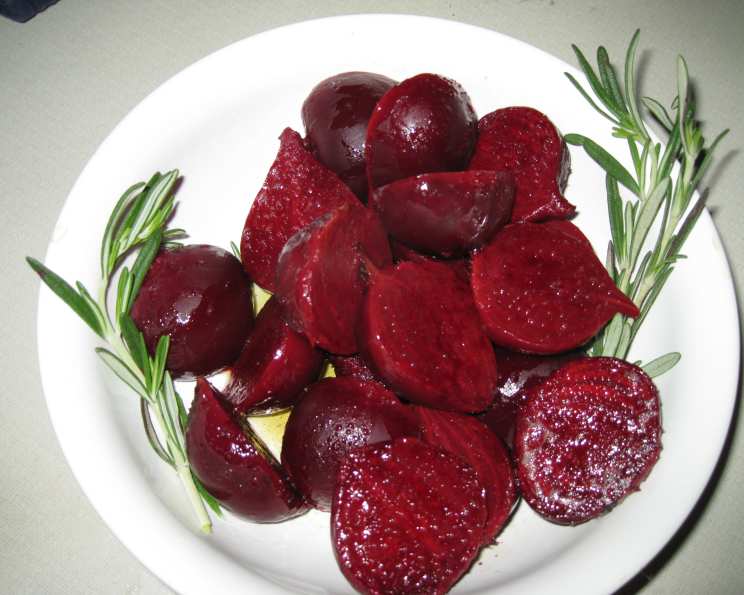
The Ethereal Sweetness of Roasted Baby Beets
There’s a certain magic that happens when humble ingredients are coaxed into brilliance by the simple act of roasting. For me, roasted baby beets evoke a particular warmth, a nostalgic echo of Christmases past, where their jewel-toned hues would punctuate the festive spread. I recall my grandmother, her hands stained a delightful shade of magenta despite her best efforts, carefully peeling these earthy gems to reveal their inner sweetness, a prelude to the quiet joy they brought to our holiday table. They are, quite simply, a testament to the profound flavors that emerge when nature’s bounty meets mindful preparation.
Recipe Overview
- Prep Time: 50 minutes
- Cook Time: 50 minutes (initial roast) + 20 minutes (heating) = 70 minutes
- Total Time: 1 hour 10 minutes (plus cooling time for peeling)
- Servings: Approximately 6
- Yield: A generous side dish
- Dietary Type: Vegan, Dairy-Free, Gluten-Free
Ingredients
- 30 baby beets, unpeeled, all but 1 inch of tops trimmed, rinsed (each 1 to 1.5 inches in diameter, about 5 bunches)
- 4 large fresh rosemary sprigs, plus an additional rosemary sprig for garnish
- 1.5 tablespoons butter (use a vegan butter alternative for a fully vegan dish)
- 0.25 cup olive oil
- Salt and freshly ground black pepper, to taste
Equipment Needed
- Roasting pan
- Aluminum foil
- Rimmed baking sheet
- Small saucepan
- Tongs
- Small bowl (for serving)
Instructions
This recipe is a beautiful two-stage process, allowing the beets to achieve a perfect tenderness before being infused with a subtle, aromatic finish.
-
First Roast: Unearthing the Sweetness
Begin by preheating your oven to 375°F (190°C). Take your thoroughly rinsed baby beets, still unpeeled, and arrange them in a roasting pan. Tuck the 4 large rosemary sprigs amongst the beets. Pour in just enough water to barely cover the beets. This gentle steaming in the initial roast is key to tenderizing them without drying them out. Cover the roasting pan tightly with aluminum foil. Place the pan in the preheated oven and roast for approximately 50 minutes. The beets are ready when they are tender when pierced with a knife or skewer. -
Peeling and Preparing for the Final Touch
Once the initial roasting is complete, carefully remove the roasting pan from the oven. Transfer the beets to your work surface. The crucial step here is to peel them while they are still warm. The skin should slip off easily. For this task, kitchen gloves are a chef’s best friend, preventing those beautiful, but persistent, beet stains on your hands! Once peeled, place the tender beets on a rimmed baking sheet. At this stage, the beets can be made ahead. If you choose to do so, simply cover the baking sheet and chill them in the refrigerator for up to 1 day. -
Second Roast: Infusing with Aromatic Flavor
When you are ready to serve, preheat your oven to 350°F (175°C). In a small saucepan, gently melt the butter (or vegan butter alternative) with the olive oil over low heat. Once melted and combined, pour this fragrant mixture evenly over the beets on the baking sheet. Use your hands or tongs to toss the beets gently, ensuring each one is beautifully coated. Sprinkle generously with salt and freshly ground black pepper to your liking. Return the baking sheet to the 350°F (175°C) oven and bake until the beets are heated through, stirring occasionally. This should take about 20 minutes. -
Serving Perfection
Once heated through and fragrant, transfer the roasted baby beets to a bowl. Garnish with the additional rosemary sprig for a final touch of elegance and aroma. Serve warm, allowing your guests to marvel at their vibrant color and exquisite flavor.
Expert Tips & Tricks
- Choosing Your Beets: Opt for the smallest, most uniformly sized baby beets you can find. This ensures even cooking throughout both roasting stages. If you have a mix of sizes, the smaller ones will cook faster.
- The Power of Warm Peeling: Don’t underestimate the importance of peeling beets while they are still warm. This is where the magic happens – the skin slides off with minimal effort. If they cool down too much, peeling becomes a sticky, frustrating affair.
- Water Level in the First Roast: The instruction to add “enough water to barely cover beets” is precise. You are not boiling them, but rather creating a steamy environment within the foil-covered pan to achieve that coveted tenderness. Too much water can lead to a waterlogged texture.
- Make-Ahead Masterclass: This recipe is a dream for make-ahead preparations. Roasting the beets and peeling them a day in advance saves significant time when you’re ready to serve. Just remember to bring them back to room temperature slightly before tossing with the butter and oil for the final heating.
- Herb Harmony: Rosemary is a classic pairing for beets, but don’t hesitate to experiment. Thyme or even a few crushed garlic cloves added during the second roast can offer delightful variations.
Serving & Storage Suggestions
These Roasted Baby Beets are a versatile side dish that shines alongside roasted meats, poultry, or fish. They also make a stunning addition to a vegetarian or vegan feast, pairing beautifully with grains like quinoa or farro. For an extra touch of elegance, you can drizzle a balsamic glaze over the finished beets just before serving.
Storage: Leftover Roasted Baby Beets can be stored in an airtight container in the refrigerator for up to 3 days. They are delicious served cold, at room temperature, or gently reheated. To reheat, you can either place them back in a 350°F (175°C) oven for about 10-15 minutes, or warm them gently in a skillet over medium-low heat. Avoid microwaving if possible, as it can sometimes affect their texture.
Nutritional Information
| Nutrient | Amount per Serving (Approximate) | % Daily Value |
|---|---|---|
| Calories | 63 kcal | 3% |
| Total Fat | 7.1 g | 9% |
| Saturated Fat | 1.8 g | 9% |
| Cholesterol | 4.6 mg | 1% |
| Sodium | 12.4 mg | 1% |
| Total Carbohydrate | 0 g | 0% |
| Dietary Fiber | 0 g | 0% |
| Sugars | 0 g | 0% |
| Protein | 0 g | 0% |
Please note: Nutritional information is an estimate and can vary based on specific ingredients used, especially if a vegan butter alternative is substituted. The provided figures are based on the core ingredients without considering optional additions like salt and pepper.
Variations & Substitutions
- Herbal Infusion: While rosemary is classic, consider other herbs like fresh thyme, sage, or even a few sprigs of parsley added in the final stage for a different aromatic profile.
- Citrus Zest: A grating of fresh lemon or orange zest added at the very end can brighten the earthy flavors of the beets.
- Spicy Kick: For those who enjoy a touch of heat, a pinch of red pepper flakes can be sprinkled over the beets along with the salt and pepper before the second roast.
- Balsamic Kiss: A drizzle of balsamic glaze over the finished beets adds a delightful tang and sweetness that complements their natural flavor beautifully.
FAQs
Q: Why should I roast beets unpeeled?
A: Roasting the beets with their skins on helps them retain moisture and nutrients, resulting in a more tender and flavorful outcome. The skins also act as a protective layer during the initial roast.
Q: Is it really necessary to peel the beets while they are warm?
A: Absolutely! Warm beets are significantly easier to peel than cold ones. The skins slip off with minimal effort, preventing a sticky and messy process.
Q: Can I use larger beets for this recipe?
A: You can, but it’s recommended to cut larger beets into smaller, uniform pieces (about 1 to 1.5 inches) to ensure even cooking alongside the baby beets. You may need to adjust the initial roasting time accordingly.
Q: What can I do if my beets aren’t tender after 50 minutes?
A: Oven temperatures can vary. If your beets are not tender after 50 minutes, simply cover the pan again and continue roasting, checking every 10-15 minutes until they reach the desired tenderness.
Q: How can I avoid getting beet stains on my hands?
A: Wearing kitchen gloves while peeling the beets is the most effective way to prevent staining. You can also use tongs to handle them as much as possible during the peeling process.
Final Thoughts
The beauty of Roasted Baby Beets lies in their deceptive simplicity. What might seem like a basic preparation is, in fact, a culinary alchemy that unlocks a depth of flavor and a captivating sweetness. They are a reminder that the most profound culinary experiences often come from honoring the ingredients themselves and allowing them to shine. I encourage you to embrace this dish, to witness its transformation in the oven, and to savor the earthy, sweet notes that emerge. It’s a side dish that truly deserves its place at any table, festive or everyday. Enjoy this vibrant taste of the earth, brought to life with a touch of heat and aromatic rosemary.