
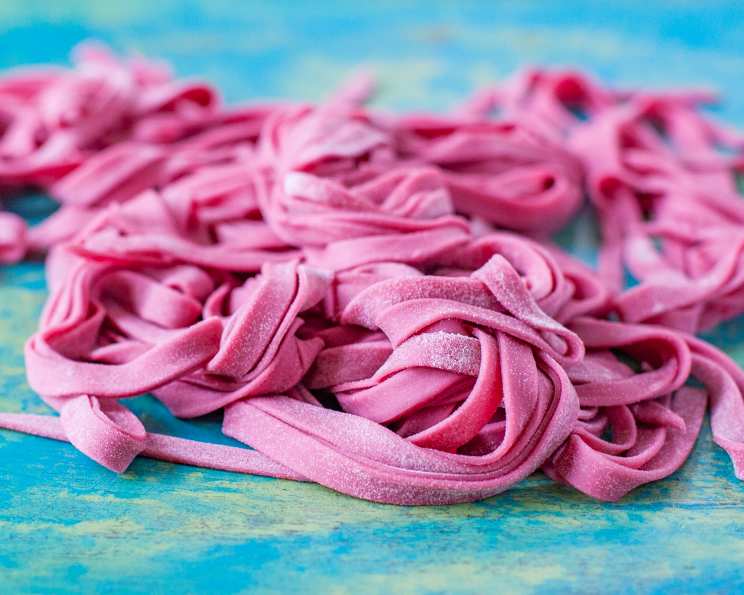
The Crimson Embrace: A Recipe for Roasted Beet Pasta
There’s a particular magic that happens when the earthy sweetness of roasted beets meets the silken embrace of fresh pasta. I remember the first time I encountered this dish, a revelation that transformed my understanding of what pasta could be. It was during a bustling Christmas kitchen, the air thick with the scent of pine and anticipation. A friend, inspired by a culinary idol, presented a batch of pasta dyed a stunning, jewel-like crimson. The color alone was enough to captivate, but the flavor – a subtle, sweet earthiness that perfectly complemented the rich dough – was utterly enchanting. It wasn’t just a meal; it was a vibrant edible jewel, a testament to the transformative power of simple ingredients. Since then, this Roasted Beet Pasta has become a cherished part of my holiday traditions, a dish that promises both beauty and profound flavor.
Recipe Overview
Here’s a quick look at what you’ll need to create this stunning dish:
- Prep Time: 1 hour 15 minutes (includes beet roasting and cooling)
- Cook Time: 5 minutes (for cooking the pasta)
- Total Time: 1 hour 20 minutes (plus resting time for dough)
- Servings: 6
- Yield: Enough pasta for 6 servings
- Dietary Type: Vegetarian (can be made vegan with egg substitutes)
Ingredients
Crafting this vibrant pasta requires just a handful of core ingredients, allowing the natural beauty of the beets to shine.
To prepare roasted beets:
- 1 1⁄2 lbs beets, washed and dried (aim for beets that are roughly 2 to 2 1⁄2 inches in diameter)
- 1 tablespoon kosher salt
- 2 tablespoons olive oil
To prepare roasted beet pasta:
- 3 large eggs (use 4 if your eggs are on the smaller side)
- 4 cups unbleached all-purpose flour
Equipment Needed
You’ll want to have a few key pieces of equipment ready to make this recipe a smooth sailing.
- Baking sheet
- Aluminum foil or parchment paper (for lining the baking sheet)
- Food processor
- Large wooden cutting board or a clean, spacious work surface
- Fork
- Plastic wrap
- Pasta roller or rolling pin
- Sharp knife or pasta cutter
Instructions
The process of creating this pasta is a journey from humble root vegetable to elegant culinary creation. Each step is designed to coax out the best flavor and texture.
- Preheat your oven to 400 degrees Fahrenheit (200 degrees Celsius). This initial high heat is crucial for efficiently roasting the beets.
- In a large mixing bowl, toss the cleaned and dried beets with the olive oil and kosher salt, ensuring they are evenly coated. This simple seasoning helps to enhance the beets’ natural sweetness and caramelization.
- Place the seasoned beets on a lined baking sheet. Use aluminum foil or parchment paper for easy cleanup. Place the baking sheet in the preheated 400-degree oven for 1 hour. The goal is to soften the beets thoroughly so they are easily pierced with a fork.
- Once the hour is up, remove the beets from the oven and allow them to cool for approximately 20 minutes. They should be cool enough to handle comfortably.
- While the beets are still warm, peel them under running water. The skins should slip off quite easily. This method is cleaner and more efficient than peeling them dry.
- Once peeled, cut the beets into a 1/4 inch dice. Uniformity in size will help them cook evenly in the next step.
- Puree the diced beets in a food processor until you have a smooth, vibrant purée. This forms the beautiful base color and flavor of your pasta dough. Set aside.
- To make the pasta dough, create a mound of the flour in the center of your large wooden cutting board or work surface. Aim for a volcano-like shape.
- Make a well in the very center of the flour mound. This well should be deep enough to hold your wet ingredients.
- Add the eggs and the prepared beet puree to the well. If you are adding any optional flavorings (like a pinch of nutmeg or black pepper), add them now.
- Using a fork, gently beat together the eggs and beet puree within the well. Begin to gradually incorporate the flour starting with the inner rim of the well. As you expand the well and incorporate more flour, continue to push the flour up towards the center to retain the well’s shape.
- Do not be concerned if this initial phase looks messy and unformed. This is perfectly normal. The dough will begin to coalesce and come together as you incorporate about half of the flour.
- Once you have a cohesive mass, start kneading the dough with both hands, primarily using the palms of your hands. This is where the gluten development begins, giving your pasta its structure and chew.
- Once you have a cohesive mass on the board, carefully scrape up any leftover crusty bits of flour and beet mixture.
- Lightly flour your board and continue kneading the dough for 3 more minutes. The dough should start to feel smooth and elastic. It might still be a little sticky, which is acceptable at this stage.
- Continue to knead for another 3 minutes, remembering to dust your board with a little flour as necessary to prevent excessive sticking. You are looking for a dough that is elastic, smooth, and slightly tacky, but not wet.
- Wrap the kneaded dough tightly in plastic wrap and allow it to rest at room temperature for 30 minutes. This resting period is crucial, allowing the gluten to relax, making the dough easier to roll out and resulting in a lighter, more tender pasta. Do not skip the kneading or resting portion of this recipe; they are essential for a light pasta.
- After resting, uncover the dough. You are now ready to roll it out. You will roll the dough into four approximately 7-inch by 16-inch sheets. You can achieve this using a pasta roller or a rolling pin. If using a rolling pin, work from the center outwards, rotating the dough frequently and dusting with flour as needed to prevent sticking. Aim for a thickness that suits your desired pasta shape – typically around a 1/16 to 1/8 inch for most applications.
- Once you have your sheets of dough, cut them into whatever shape you wish. Whether you plan to make fettuccine, tagliatelle, ravioli, or lasagna sheets, now is the time to shape your pasta.
Expert Tips & Tricks
To elevate your roasted beet pasta experience from good to truly exceptional, consider these professional insights:
- Beet Selection is Key: Opt for beets that are firm and free from blemishes. Smaller to medium-sized beets often have a more concentrated sweetness.
- Roasting for Flavor: Don’t rush the roasting process. The longer the beets roast, the deeper their sweetness and more intense their color will become. Ensure they are fork-tender before proceeding.
- The Power of Resting: The 30-minute rest for the dough is non-negotiable. It makes a world of difference in the dough’s pliability and the final texture of your pasta. If the dough feels too stiff when you’re ready to roll, let it rest for another 10-15 minutes, still wrapped.
- Dough Consistency: Pasta dough is a balance. If it feels too wet and sticky after kneading, add flour a tablespoon at a time. If it feels too dry and crumbly, add a tiny bit of water (a teaspoon at a time) or a touch more beet puree if you have any leftover.
- Fresh is Best: While dried pasta has its place, the flavor and texture of fresh, homemade pasta are unparalleled. Enjoy it as soon as possible after making.
- Batch Cooking and Freezing: If you find yourself with extra dough, you can roll and cut it into your desired shapes, let it air dry slightly on a floured surface for about 30 minutes, then freeze it in airtight containers or bags. It will cook directly from frozen, adding just a minute or two to the cooking time.
Serving & Storage Suggestions
This stunning beet pasta is a showstopper on its own, but it pairs beautifully with a variety of simple yet elegant sauces.
Serve your freshly made Roasted Beet Pasta immediately after cooking. A light butter or olive oil sauce with a hint of garlic and a sprinkle of fresh herbs like parsley or chives would be divine. A touch of grated Parmesan or Pecorino Romano cheese, if not strictly vegetarian, would also be a wonderful addition. For a truly luxurious experience, consider a creamy Gorgonzola sauce or a simple lemon-butter sauce with toasted pine nuts.
If you have any leftover cooked pasta, store it in an airtight container in the refrigerator for up to 2 days. It’s best to lightly toss it with a drizzle of olive oil before refrigerating to prevent sticking. Reheat gently in a skillet with a splash of water or broth, or briefly in the microwave. Uncooked pasta dough can be refrigerated, tightly wrapped, for up to 2 days, or frozen for up to a month. If frozen, allow it to thaw in the refrigerator overnight before proceeding with rolling and cutting.
Nutritional Information
Here’s an estimated nutritional breakdown for this delicious pasta, based on a serving of approximately 6 ounces of cooked pasta without sauce. Please note that actual values can vary depending on specific ingredient choices and portion sizes.
| Nutrient | Amount per Serving | % Daily Value |
|---|---|---|
| Calories | 429 kcal | – |
| Total Fat | 7.9 g | 12% |
| Saturated Fat | 1.6 g | 7% |
| Cholesterol | 93 mg | 31% |
| Sodium | 1288 mg | 53% |
| Total Carbohydrate | 75.1 g | 25% |
| Dietary Fiber | 4.5 g | 18% |
| Total Sugars | 9.4 g | 37% |
| Protein | 13.7 g | 27% |
Note: The “Calories from Fat” is not explicitly stated with a percentage, but the total fat content is listed.
Variations & Substitutions
While this recipe is wonderful as is, there’s always room for personal touches and dietary adaptations.
- Vegan Option: To make this pasta vegan, you can experiment with an egg replacer. A common substitution involves using a flax egg (1 tablespoon ground flaxseed mixed with 3 tablespoons water, let sit for 5 minutes) or a commercial egg replacer. You might need to adjust the amount of flour slightly, as vegan doughs can behave differently. Ensure your beet puree is smooth and there are no fibrous remnants.
- Adding Flavor: For an extra layer of flavor, consider adding a pinch of nutmeg or a touch of finely grated orange zest to the beet puree before mixing it with the flour. Black pepper also complements the earthy notes of the beet.
- Gluten-Free Pasta: Crafting gluten-free pasta can be challenging, but a good quality gluten-free all-purpose flour blend designed for pasta might work. You may need to add a binder like xanthan gum (follow package directions) and expect a different texture than traditional wheat pasta.
FAQs
Q: Why do I need to roast the beets first?
A: Roasting concentrates the natural sugars in the beets, leading to a sweeter flavor and a more vibrant, less “earthy” taste in the pasta. It also softens them perfectly for pureeing.
Q: How do I get the beet color to be so vibrant?
A: The key is to use enough beets to color the dough sufficiently and to ensure your beets are fresh and their color is deep. Roasting also helps to intensify the pigment.
Q: My dough is too sticky. What should I do?
A: Gradually add more flour, a tablespoon at a time, while kneading until the dough is no longer excessively sticky but still remains slightly tacky.
Q: Can I use pre-cooked or canned beets?
A: While you could, it’s highly recommended to roast fresh beets for the best flavor and color. Pre-cooked or canned beets may have a different texture and a more diluted flavor.
Q: How long does homemade pasta last?
A: Freshly made pasta is best cooked and eaten within a few hours. If refrigerated, it will last for up to 2 days, but it’s prone to drying out or becoming sticky if not stored properly.
A Crimson Finale
This Roasted Beet Pasta is more than just a recipe; it’s an invitation to play with color, embrace earthy flavors, and experience the unparalleled joy of crafting pasta from scratch. The crimson hue is undeniably captivating, but it’s the subtle, sweet undertones that will truly win you over. Whether you’re a seasoned pasta maker or embarking on your first dough adventure, this dish promises a rewarding and delicious outcome. Don’t be afraid to get your hands a little messy; the transformation from simple ingredients to edible art is a culinary journey worth savoring. I encourage you to try it, to taste the vibrant difference, and perhaps to even make it a cherished tradition of your own. Happy cooking!