
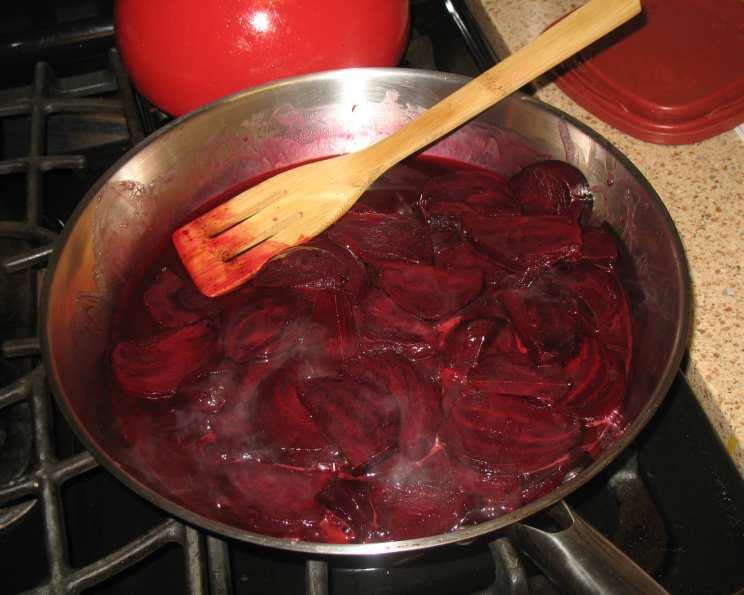
Roasted Beets with Honey Balsamic Glaze: A Symphony of Earthy Sweetness
There are certain dishes that, with a single bite, transport you back to a specific moment, a particular feeling. For me, this Roasted Beets with Honey Balsamic Glaze is one of them. I remember a crisp autumn evening, the kind where the air hums with the scent of fallen leaves and woodsmoke. I was experimenting in the kitchen, a familiar comfort, and I’d gathered a bushel of jewel-toned beets, their earthy aroma filling my workspace. As they roasted, their natural sugars intensified, a promise of the magic to come. Then, the simple alchemy of honey and balsamic vinegar, reduced to a glossy, syrupy nectar that clung to the tender roots. The first taste was a revelation – the deep, almost primal sweetness of the beet, elevated by the tangy, caramelized notes of the glaze. It was so utterly satisfying, so unexpectedly elegant, that my initial thought was, “I should have made a LOT more.” It’s a dish that whispers of the earth and sings with the sweetness of the harvest, a testament to the power of simple, quality ingredients.
Recipe Overview
- Prep Time: 15 minutes
- Cook Time: 1 hour
- Total Time: 1 hour 15 minutes
- Servings: 4-6
- Dietary Type: Vegan, Gluten-Free, Dairy-Free
Ingredients
This recipe celebrates the inherent beauty of beets, enhanced by a simple yet profound glaze.
For the Roasted Beets:
- 16 fresh beets
- 6 tablespoons olive oil
For the Honey Balsamic Glaze:
- 2 tablespoons butter
- 2 tablespoons honey
- 2 tablespoons balsamic vinegar
Equipment Needed
To bring this vibrant dish to life, you’ll need a few key pieces of equipment:
- A baking sheet
- Aluminum foil
- A small saucepan
- A whisk (optional, for stirring the glaze)
- A bowl for tossing the beets
Instructions
The process of transforming humble beets into this exquisite dish is straightforward, relying on gentle heat to unlock their deepest flavors.
- Preheat your oven to 350°F (175°C). This moderate temperature is crucial for allowing the beets to roast slowly and evenly, concentrating their sweetness without scorching them.
- Prepare the beets for roasting. Begin by trimming off the leafy green tops, reserving them for another use if you wish, or discarding them. Scrub the beets thoroughly under cool running water to remove any dirt. The key here is to leave the root and about a 1-inch stem intact on each beet. This helps to keep the beet’s moisture locked in during the roasting process, preventing them from drying out.
- Wrap and roast the beets. Tear off a large piece of aluminum foil. Place the prepared beets onto the foil, and drizzle them generously with the olive oil. The olive oil will help conduct heat and create a tender texture. Wrap the beets loosely, but tightly, in the foil, ensuring the edges are sealed to create a packet. This steaming effect within the foil is what will cook them to perfection. Place the foil-wrapped beets directly onto a baking sheet. This prevents any potential leaks and makes for easier handling. Bake for 1 hour. The exact time can vary depending on the size of your beets; larger beets will require a bit more time. You’ll know they’re done when they are tender enough to be easily pierced with a fork or a sharp knife.
- Cool and prepare for glazing. Once the beets have finished baking, carefully remove them from the oven. Let them cool enough to handle comfortably. This is important for safe handling. Once they’ve cooled sufficiently, remove the stems and roots. They should slip off easily. Peel the beets; the skins should now be loose and easy to rub off with your fingers or a paper towel. If any bits cling stubbornly, a paring knife can help. Slice the peeled beets into your desired thickness. For a beautiful presentation, consider slicing them into wedges or rounds. Place the sliced beets into a bowl.
- Make the honey balsamic glaze. While the beets are cooling or after you’ve sliced them, prepare the glaze. In a small saucepan, combine the butter, honey, and balsamic vinegar. Place the saucepan over medium heat. Bring the mixture to a boil, stirring occasionally. Allow it to boil for 1 minute. This brief boiling period helps the glaze to thicken slightly and meld the flavors.
- Glaze the beets. Once the glaze has reached its desired consistency (it should be slightly syrupy), pour it immediately over the sliced beets in the bowl. Gently toss the beets to ensure they are evenly coated with the shimmering glaze.
Expert Tips & Tricks
Elevating this simple dish to a culinary masterpiece is all about a few key techniques and considerations.
- Beet Selection: For the most vibrant results, choose beets that are firm and smooth, free from blemishes or soft spots. A mix of red, golden, and even candy-striped beets can create a visually stunning presentation.
- Roasting Uniformity: Try to select beets of similar size for roasting. This ensures they will all cook evenly, preventing some from being overcooked while others remain underdone. If you have a significant size variation, you can always remove the smaller beets a bit earlier.
- Doneness Test: The fork test is your best friend here. If you can easily pierce a beet to its center with a fork, it’s perfectly roasted and ready for peeling and glazing.
- Glaze Consistency: The glaze will thicken further as it cools. If you find it too thin after boiling, you can let it simmer for an additional minute or two. Conversely, if it becomes too thick, a tiny splash of water or balsamic vinegar can loosen it up.
- Make-Ahead Magic: You can roast and peel the beets a day in advance. Store them in an airtight container in the refrigerator. When you’re ready to serve, gently reheat them in a saucepan with the glaze, or serve them at room temperature.
Serving & Storage Suggestions
This Roasted Beets with Honey Balsamic Glaze is incredibly versatile and can be enjoyed in numerous ways.
- Serving: This dish is beautiful served warm or at room temperature. It makes a stunning side dish for roasted meats, poultry, or fish, and also pairs wonderfully with grilled halloumi or a hearty grain salad. Garnish with fresh herbs like parsley, chives, or thyme for an extra burst of freshness and color. A sprinkle of toasted walnuts or goat cheese (if not keeping it strictly vegan) can add a delightful textural contrast.
- Storage: Leftovers can be stored in an airtight container in the refrigerator for up to 3 days. The flavors tend to meld and deepen overnight, making it even more delicious the next day.
- Reheating: To reheat, gently warm the beets in a saucepan over low heat, stirring occasionally, until warmed through. You can add a tiny bit more balsamic vinegar or a drizzle of olive oil if they seem dry. Alternatively, they can be reheated in the microwave.
Nutritional Information
Here’s an estimated nutritional breakdown for this flavorful dish. Please note that these values can vary based on the specific ingredients and portion sizes used.
| Nutrient | Amount per Serving (approx.) | % Daily Value (approx.) |
|---|---|---|
| Calories | 140 | 7% |
| Total Fat | 9g | 11% |
| Saturated Fat | 2g | 10% |
| Cholesterol | 5mg | 2% |
| Sodium | 70mg | 3% |
| Total Carbohydrate | 15g | 5% |
| Dietary Fiber | 3g | 11% |
| Sugars | 10g | 20% |
| Protein | 1g | 2% |
| Vitamin C | 5% | |
| Iron | 3% | |
| Potassium | 8% |
(Note: Percent Daily Values are based on a 2,000-calorie diet. Individual results may vary.)
Variations & Substitutions
While this recipe is wonderfully balanced as is, feel free to explore its potential with these creative twists.
- Herbal Infusion: Add a sprig of fresh rosemary or thyme to the foil packet while the beets are roasting. This will infuse them with a subtle aromatic essence.
- Spicy Kick: For those who enjoy a touch of heat, add a pinch of red pepper flakes to the glaze mixture before bringing it to a boil.
- Citrus Zest: A touch of orange or lemon zest added to the glaze can brighten the flavors and add a refreshing counterpoint to the earthiness of the beets.
- Maple Glaze: If you prefer, you can substitute the honey with maple syrup for a slightly different, but equally delicious, flavor profile.
FAQs (Frequently Asked Questions)
Q: Why leave the stem and root on the beets when roasting?
A: Leaving the stem and root intact helps to seal in the moisture and natural sugars of the beet as it roasts, resulting in a more tender and flavorful outcome.
Q: How can I tell if my beets are fully cooked?
A: The best way to check for doneness is by inserting a fork or a sharp knife into the center of the beet. If it slides in easily with little resistance, the beet is tender and ready.
Q: Can I use pre-cooked beets for this recipe?
A: While you can use pre-cooked beets, the roasting process is integral to developing the deep, caramelized flavor. For the best results, it’s recommended to roast them yourself.
Q: My glaze seems too thin. How can I thicken it?
A: If your glaze is too thin after boiling for 1 minute, you can continue to simmer it for another minute or two until it reaches your desired consistency. It will thicken further as it cools.
Q: Can I make the glaze ahead of time?
A: Yes, you can prepare the glaze ahead of time and store it in an airtight container in the refrigerator. Gently reheat it before tossing with the beets.
Final Thoughts
This Roasted Beets with Honey Balsamic Glaze is a testament to the fact that the most extraordinary flavors often come from the simplest ingredients and techniques. It’s a dish that’s both rustic and refined, perfect for a casual weeknight meal or an elegant dinner party. I encourage you to embrace the earthy allure of beets and discover the magic that unfolds when they are treated with a little heat and a touch of sweet tang. Serve it alongside a crisp green salad, a piece of grilled salmon, or as part of a vibrant mezze platter. I’d love to hear about your experience and how you’ve made this dish your own.