
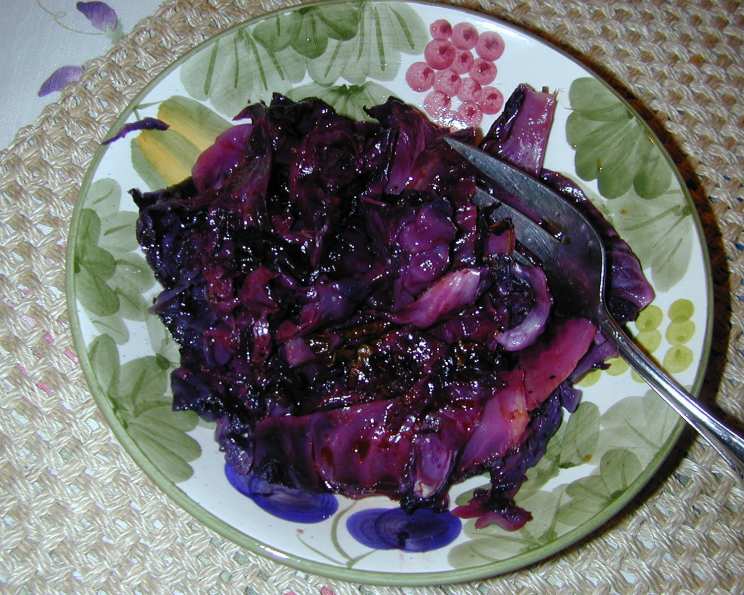
The Glorious Transformation of Humble Cabbage: Roasted with Balsamic Glaze
There are those dishes that whisper tales of comfort, of simple ingredients elevated to something truly special, and for me, roasted cabbage with balsamic vinegar is one such culinary revelation. I remember first encountering this simple yet profound preparation in the pages of Everyday Food, and it was as if a secret had been unlocked. That moment, staring at the glossy, caramelized edges of the cabbage wedges, made me understand that even the most ordinary vegetables hold extraordinary potential when treated with a little heat and a touch of acidity. It’s a dish that has since become a quiet staple in my repertoire, a testament to the beauty of transformation and the power of a few well-chosen ingredients.
Recipe Overview
- Prep Time: 20 minutes
- Cook Time: 40-45 minutes
- Total Time: 60-65 minutes
- Servings: 6
- Yield: 1 head of cabbage
- Dietary Type: Vegan, Gluten-Free, Dairy-Free
Ingredients
This recipe is a masterclass in simplicity, proving that profound flavor doesn’t require a lengthy ingredient list.
- 1 head red cabbage (approximately 3 pounds)
- 2 tablespoons olive oil
- 2 teaspoons coarse salt
- 1/4 teaspoon ground pepper
- 2 to 3 tablespoons balsamic vinegar
Equipment Needed
For this delightful dish, you’ll need a few basic kitchen tools:
- A sharp chef’s knife
- A large rimmed baking sheet
- Aluminum foil
- Tongs or a spatula for tossing
Instructions
The magic of this recipe lies in its straightforward approach, coaxing out the cabbage’s natural sweetness and creating a beautiful char.
-
Preheat your oven to a robust 450°F (230°C). This high heat is crucial for achieving that desirable caramelization.
-
Prepare the cabbage: Begin by trimming the very base of the red cabbage. Cut the head of cabbage into 12 wedges. To do this, quarter the cabbage first, then slice each quarter into three wedges, ensuring each wedge retains a bit of the core to help it hold its shape during roasting. As you cut, remove the thick, tough core from each wedge and discard it.
-
Toss the wedges: Place the cabbage wedges onto a large rimmed baking sheet. Drizzle them generously with the olive oil. Sprinkle evenly with the coarse salt and ground pepper. Use your hands or a spatula to toss the wedges until they are thoroughly coated with the oil and seasonings. Ensure each piece has a light sheen.
-
Initial roasting (covered): Once the cabbage is coated and arranged on the baking sheet, cover the sheet tightly with aluminum foil. This step is vital for steaming the cabbage slightly, allowing it to become tender from the inside out without burning the exterior too quickly. Bake for approximately 20 minutes in the preheated oven.
-
Second stage roasting (uncovered): After 20 minutes, carefully remove the foil from the baking sheet. Be cautious as there will be hot steam escaping. Continue cooking, uncovered, for an additional 20 to 25 minutes. During this time, you’ll want to toss the cabbage occasionally using tongs or a spatula. This ensures even browning and helps achieve that delicious, slightly crispy, caramelized texture on the edges. The cabbage should be tender and browned in spots.
-
Finish with balsamic: Once the cabbage has reached your desired tenderness and beautiful browning, remove the baking sheet from the oven. Drizzle the balsamic vinegar over the hot roasted cabbage. The heat from the cabbage will help the vinegar reduce slightly and coat the wedges with a delightful glaze. You may need 2 to 3 tablespoons, depending on your preference for tanginess and sweetness.
-
Serve: Toss the cabbage with the balsamic vinegar one final time to ensure even distribution. Serve immediately while hot and beautifully caramelized.
Expert Tips & Tricks
As a chef, I’ve learned that a few nuances can elevate even the simplest of dishes. For roasted cabbage, consider these points:
- Cabbage Selection: While this recipe specifies red cabbage for its vibrant color and slightly sweeter disposition when roasted, you can absolutely use green cabbage if that’s what you have on hand. The cooking time might vary slightly, but the method remains the same.
- Wedge Uniformity: Aim for wedges that are roughly the same size and thickness. This ensures they cook evenly, preventing some pieces from becoming mushy while others remain too firm.
- Don’t Overcrowd: Make sure your baking sheet isn’t too crowded. If the cabbage wedges are piled on top of each other, they will steam more than roast, and you won’t achieve that lovely caramelized exterior. Use two baking sheets if necessary.
- Balsamic Quality: While any balsamic vinegar will work, using a good quality, aged balsamic will impart a richer, more complex flavor. If your balsamic is very thick and syrupy, you might need slightly less.
- Checking for Doneness: The cabbage is done when a fork easily pierces the thickest part of a wedge, and the edges are tender and starting to brown and crisp. It should still have a pleasant bite, not be completely limp.
Serving & Storage Suggestions
This Roasted Cabbage with Balsamic Vinegar is incredibly versatile and can be served in various ways:
- As a Side Dish: It’s a fantastic accompaniment to roasted meats like chicken or pork, grilled sausages, or even a hearty lentil stew. The sweet and tangy glaze cuts beautifully through richer dishes.
- As a Vegetarian Main: Paired with grains like quinoa or farro, or alongside a flavorful dip like hummus, it makes for a satisfying and healthy vegetarian meal.
- Garnishes: A sprinkle of toasted nuts (like walnuts or pecans), fresh herbs (parsley or chives), or a crumbling of feta cheese (if not keeping it strictly vegan) can add extra texture and flavor.
Storage: Leftovers can be stored in an airtight container in the refrigerator for up to 3 days. While the texture will soften slightly upon reheating, the flavor will still be quite good.
Reheating: Gently reheat the cabbage in a skillet over medium-low heat, or spread it on a baking sheet and warm it in a moderate oven (around 350°F or 175°C) for about 10-15 minutes until warmed through. Avoid microwaving if you want to preserve some of the texture.
Nutritional Information
Here’s an approximate nutritional breakdown for a serving of this delicious roasted cabbage:
| Nutrient | Amount per Serving | % Daily Value |
|---|---|---|
| Calories | 88.1 | |
| Calories from Fat | 42% | |
| Total Fat | 4.7 g | 7% |
| Saturated Fat | 0.7 g | 3% |
| Cholesterol | 0 mg | 0% |
| Sodium | 814.2 mg | 33% |
| Total Carbohydrate | 11.3 g | 3% |
| Dietary Fiber | 3 g | 11% |
| Sugars | 6.2 g | 24% |
| Protein | 2 g | 4% |
Note: Nutritional values are estimates and can vary based on ingredient brands and specific quantities used.
Variations & Substitutions
While the classic preparation is hard to beat, feel free to experiment:
- Spicy Kick: Add a pinch of red pepper flakes along with the salt and pepper before roasting for a hint of heat.
- Herbal Infusion: Toss the cabbage with a teaspoon of dried herbs like thyme or rosemary along with the oil and seasonings.
- Citrus Brightness: A squeeze of fresh lemon or orange juice just before serving can add a bright, zesty note.
- Sweetness Boost: For an even sweeter glaze, consider using a thicker, more syrupy balsamic vinegar or adding a tiny drizzle of maple syrup or honey (if not vegan) along with the balsamic.
FAQs
Q: Why is the cabbage covered with foil for the first part of baking?
A: Covering the cabbage with foil traps steam, allowing the wedges to become tender on the inside without the edges burning before the interior is cooked.
Q: My cabbage isn’t browning, what should I do?
A: Ensure your oven is accurately preheated to 450°F. If browning is still slow, you can briefly increase the temperature to 475°F for the last 5-10 minutes, watching very carefully to prevent burning. Also, ensure the wedges aren’t overcrowded on the baking sheet.
Q: Can I use white cabbage instead of red cabbage?
A: Yes, while red cabbage offers a beautiful color and slightly sweeter profile, green cabbage will also roast beautifully using the same method.
Q: How can I make the balsamic glaze more concentrated?
A: If you prefer a thicker, more intensely flavored glaze, you can simmer the balsamic vinegar in a small saucepan over low heat for a few minutes until it reduces slightly before drizzling it over the roasted cabbage.
Q: Is it important to remove the core from the cabbage wedges?
A: Yes, removing the thick, woody core helps the wedges cook more evenly and makes them easier to eat.
Final Thoughts
This simple dish is a gentle reminder that sometimes, the most profound flavors come from the most unassuming ingredients. The humble cabbage, transformed by heat and the sweet tang of balsamic, becomes a star on any plate. I encourage you to try this recipe, to witness this culinary alchemy for yourself. It’s a dish that’s as delightful to make as it is to eat, perfect for a weeknight meal or a stunning addition to a more elaborate spread. Share it with loved ones, and savor the simple, satisfying goodness.