
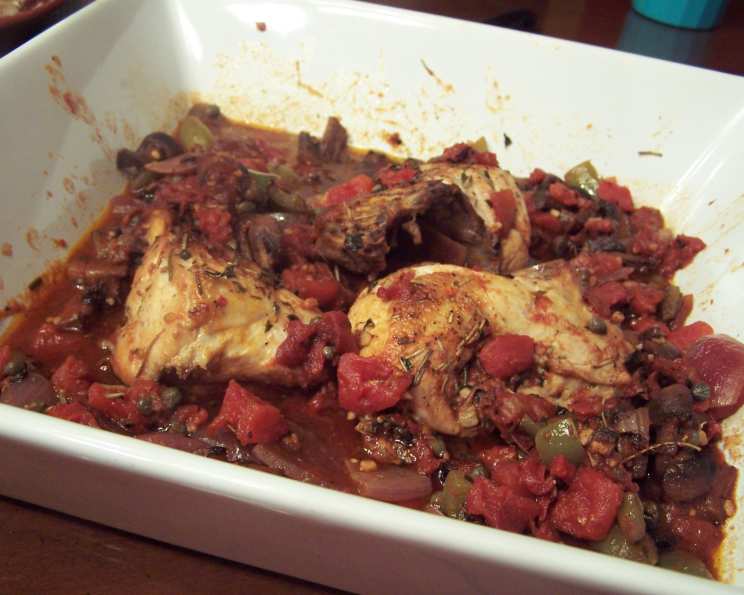
My Heart’s Comfort: Roasted Chicken Cacciatore
There are some dishes that, with a single whiff, transport me back to my grandmother’s kitchen, the air thick with the promise of something truly special. Chicken Cacciatore, for me, is one of those culinary anchors. I remember one particular autumn evening, a chill in the air hinting at the winter to come, when Nonna decided to make her “hunter’s stew.” The aroma of simmering tomatoes, garlic, and herbs filled every corner of our small home, a symphony that made my stomach rumble in anticipation. The slow roasting of the vegetables, a step I now recognize as crucial, lent a depth of flavor that was unlike anything I had tasted before. It was a simple dish, born from humble ingredients, yet it held a profound sense of warmth and belonging. This recipe, a culmination of years of tinkering and tasting, aims to capture that same soulful essence, that perfect balance of rustic charm and refined flavor.
Recipe Overview
- Prep Time: 20 minutes
- Cook Time: 1 hour 10 minutes
- Total Time: 1 hour 30 minutes
- Servings: 6
- Yield: Serves 6 generously
- Dietary Type: Can be adapted to gluten-free if served with gluten-free pasta or polenta.
Ingredients
For the Roasted Vegetables and Base:
- 1 ½ cups plum tomatoes, rough chopped
- 10 ounces mushrooms, any type, quartered
- 1 small green pepper, rough chopped
- 1 large onion, rough chopped
- 8 garlic cloves, peeled, left whole
- 5 tablespoons olive oil, divided
- 3 tablespoons balsamic vinegar
- Salt, to taste
- Pepper, to taste
For the Chicken and Sauce:
- 2 lbs boneless, skinless chicken thighs (approximately 4-6 thighs, depending on size)
- 2 tablespoons fresh rosemary, chopped, divided
- 1 cup dry white wine
- 1 (14 ounce) can whole tomatoes, squeezed and drained, reserving ½ cup of juice
- ½ cup chicken broth
- 1 tablespoon fresh marjoram, chopped
- 3 tablespoons capers, drained, divided
Equipment Needed
- Large roasting pan
- Large skillet
- Sharp knife
- Cutting board
- Measuring cups and spoons
- Tongs or slotted spoon
- Oven mitts
Instructions
-
Preheat your oven to a robust 500°F (260°C). This high initial heat is key to developing those wonderful caramelized flavors in our vegetables.
-
Prepare the roasting vegetables. Begin by rough chopping the plum tomatoes, quartering the mushrooms, rough chopping the green pepper, and rough chopping the large onion. For the garlic cloves, I find a little kitchen trick makes peeling a breeze: place each clove on your cutting board, and with the flat side of your knife, give it a firm smack. The peel should practically spring off. Leave the garlic cloves whole; they will become wonderfully sweet and mellow during roasting.
-
Assemble the vegetable base. In a large bowl, combine the chopped plum tomatoes, quartered mushrooms, chopped green pepper, whole garlic cloves, and chopped onion. Drizzle over 2 tablespoons of balsamic vinegar and 2 tablespoons of olive oil. Toss everything together gently to ensure all the vegetables are well coated.
-
Begin the roast. Spread the vegetable mixture evenly in a large roasting pan. Season generously with salt and pepper. Place the pan into the preheated oven. Roast for 40-50 minutes, stirring occasionally. You’re looking for the onions and garlic to turn a lovely golden brown, and for most of the liquid released from the mushrooms and tomatoes to evaporate. This process concentrates their flavors beautifully. The exact time might vary slightly depending on the size and depth of your roasting pan.
-
Lower the heat. Once the vegetables are nicely roasted, reduce the oven temperature to 325°F (160°C).
-
Season and sear the chicken. While the oven temperature adjusts, season the boneless, skinless chicken thighs with salt and pepper. Sprinkle them with 1 tablespoon of the chopped fresh rosemary. In a large skillet, heat the remaining 3 tablespoons of olive oil over medium heat until shimmering. Carefully add the chicken thighs to the hot skillet, working in batches if necessary to avoid crowding the pan. Brown both sides of the thighs until they achieve a beautiful golden brown color. As each batch is done, transfer the browned chicken to a bowl.
-
Deglaze and build the sauce. Pour the dry white wine into the same skillet you used for the chicken. Bring it to a simmer, using a wooden spoon to scrape up any delicious browned bits (fond) that have stuck to the bottom of the pan. Let the wine reduce by about half. Then, add the whole canned tomatoes (after squeezing and draining them, remember to reserve that juice!), the ½ cup of chicken broth, and the reserved ½ cup of tomato juice. Stir everything together thoroughly and let it simmer for a moment.
-
Combine and finish roasting. Remove the roasting pan with the tender vegetables from the oven. Nestle the browned chicken thighs directly into the roasted vegetables. Pour the wine mixture from the skillet evenly over the chicken and vegetables. Sprinkle the remaining 1 tablespoon of chopped fresh rosemary, the chopped fresh marjoram, and half of the drained capers over the top. Gently stir everything, ensuring you incorporate any flavorful bits that may have adhered to the sides of the roasting pan.
-
Final bake. Return the roasting pan to the oven, now set at 325°F (160°C). Bake for an additional 15-20 minutes, or until the chicken is cooked through and its juices run clear.
-
Serve. Just before serving, top the dish with the remaining drained capers. This Roasted Chicken Cacciatore is absolutely divine served over a bed of your favorite pasta or creamy polenta.
Expert Tips & Tricks
The initial high-heat roast of the vegetables is your secret weapon. It’s not just about cooking them; it’s about coaxing out their natural sugars and creating a deep, savory foundation. Don’t be tempted to rush this step. The mellowed garlic cloves are little flavor bombs, so ensure they get a good char. When browning the chicken, patience is key. A good sear locks in moisture and adds a layer of complexity. If you’re short on time, you can certainly use pre-minced garlic, but whole cloves roasted with the vegetables offer an unparalleled sweetness and depth. For an even richer flavor, consider using chicken thighs with the skin on; just be sure to drain off some of the rendered fat before adding the wine to the skillet.
Serving & Storage Suggestions
This Roasted Chicken Cacciatore is a complete meal in itself, especially when served over pasta or polenta. A simple crusty bread for mopping up the delicious sauce is always a welcome addition. If you find yourself with leftovers, which is a rare but happy occurrence, allow the dish to cool completely before transferring it to an airtight container. It will keep beautifully in the refrigerator for up to 3-4 days. To reheat, gently warm it on the stovetop over low heat or in a moderate oven (around 300°F/150°C) until heated through. Avoid microwaving if you can, as it can sometimes make the chicken a little tough.
Nutritional Information
(Please note: Nutritional values are estimates and can vary based on specific ingredients and portion sizes.)
| Nutrient | Amount per Serving | % Daily Value |
|---|---|---|
| Calories | 368 kcal | 18% |
| Total Fat | 17.8 g | 27% |
| Saturated Fat | 3.2 g | 16% |
| Cholesterol | 125.9 mg | 41% |
| Sodium | 333.8 mg | 13% |
| Total Carbohydrate | 12 g | 3% |
| Dietary Fiber | 2.7 g | 10% |
| Sugars | 5.7 g | 22% |
| Protein | 33.4 g | 66% |
Variations & Substitutions
While this recipe sings with boneless, skinless thighs for ease and tenderness, feel free to experiment with bone-in chicken pieces if you prefer. Adjust the cooking time accordingly, ensuring the chicken is cooked through. If you’re not a fan of white wine, a dry red wine can also be used, though it will lend a slightly different, deeper hue and flavor profile to the sauce. For those seeking a vegetarian or vegan adaptation, consider using hearty chunks of portobello mushrooms or firm tofu, and substitute vegetable broth for chicken broth. The essence of the cacciatore flavors will still shine through beautifully.
FAQs
Q: Why is the oven preheated to 500°F initially?
A: The high initial temperature is crucial for achieving a beautiful caramelization and depth of flavor in the vegetables during the first roasting stage.
Q: Can I use dried herbs instead of fresh?
A: Yes, you can substitute dried herbs, but use them sparingly. A general rule of thumb is to use one-third the amount of dried herbs compared to fresh (e.g., 1 teaspoon dried rosemary for every 1 tablespoon fresh).
Q: My mushrooms released a lot of liquid. Is that normal?
A: Absolutely! Mushrooms are full of water. This liquid will evaporate during the initial roasting process, concentrating their flavor.
Q: How do I know when the chicken is cooked through?
A: The chicken is done when it is no longer pink in the center, and the juices run clear when pierced with a fork or knife.
Q: Can I make this dish ahead of time?
A: The roasted vegetables can be prepared a day in advance and stored in the refrigerator. You can also brown the chicken ahead of time. However, it’s best to combine and finish cooking the dish closer to serving for optimal texture and flavor.
A Hunter’s Feast, Reimagined
This Roasted Chicken Cacciatore is more than just a recipe; it’s an invitation to gather around the table, to savor the simple yet profound pleasures of well-cooked food. It’s a dish that whispers stories of rustic kitchens and shared meals, a testament to the magic that happens when good ingredients meet a little bit of culinary love. I hope this recipe brings as much warmth and joy to your kitchen as it does to mine. Serve it with a robust Chianti or a crisp Pinot Grigio, and let the conversation flow as freely as the delicious sauce. Happy cooking, and even happier eating!