
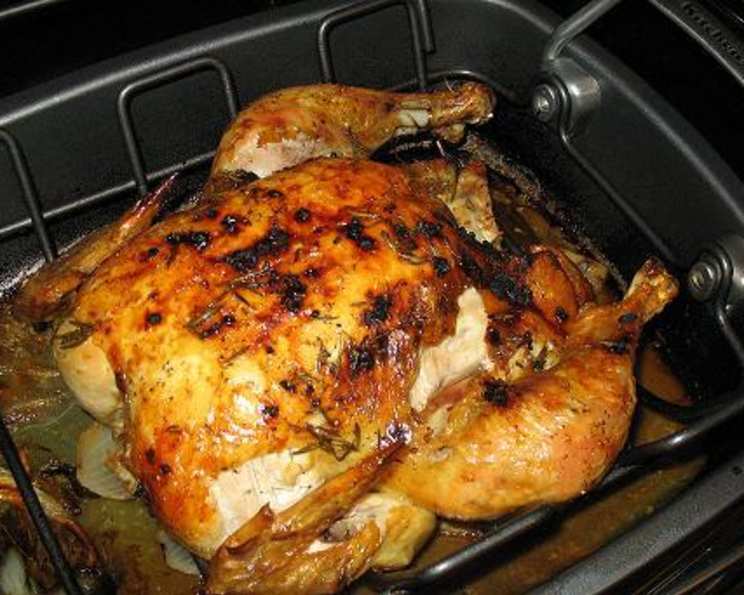
Roasted Chicken With 20 Cloves of Garlic
The scent of roasting chicken is one of the most comforting aromas imaginable, a culinary siren song that promises warmth, satisfaction, and a meal worth gathering around. But for those of us who truly appreciate the pungent, almost sweet depth of garlic, this particular preparation is nothing short of a revelation. I remember the first time I encountered a recipe that boldly called for twenty cloves of garlic. It felt audacious, almost decadent. My skepticism quickly gave way to pure delight as the oven filled with a fragrance so rich and complex, it was hard to believe it originated from such humble ingredients. Each unpeeled clove, nestled around the chicken, transformed into a tender, spreadable marvel, its sharp bite mellowed into a mellow sweetness that infused every morsel of chicken and the surrounding broth. This dish isn’t just a meal; it’s an experience, a testament to how a single, potent ingredient can elevate a classic to extraordinary heights.
Recipe Overview
- Prep Time: 15 minutes
- Cook Time: 1 hour 20 minutes
- Total Time: 1 hour 35 minutes
- Servings: 6
- Yield: 1 whole roasted chicken
- Dietary Type: Gluten-Free, Dairy-Free
Ingredients
- 2 teaspoons olive oil
- 1 teaspoon black pepper
- 1/2 teaspoon dried rosemary
- 1/4 teaspoon dried thyme
- 1 whole chicken (about 3 1/2 lbs.)
- 1 small onion, cut in half
- 2 stalks celery, cut in half
- 1 small lemon, cut in half
- 20 garlic cloves, unpeeled (approximately 2 whole heads)
- 3/4 cup dry white wine
- 1 (14 1/2 ounce) can chicken broth
- 2 tablespoons chopped fresh parsley
- 1/2 teaspoon salt
Equipment Needed
- Dutch oven or a large oven-safe pot with a lid
- Small bowl
- Fork
- Platter
- Aluminum foil
Instructions
- Begin by preheating your oven to 375 degrees F (190 degrees C). This initial temperature is crucial for a slow, even roast.
- In a small bowl, combine the olive oil, dried rosemary, and dried thyme. This fragrant blend will form the flavorful base for the chicken’s skin.
- Take your whole chicken and generously rub the oil and herb mixture all over the outside of the bird. Ensure an even coating for maximum flavor penetration.
- Prepare the aromatics for the chicken’s cavity: place the onion halves, celery halves, and lemon halves inside the chicken. This will infuse the meat with subtle, savory notes as it cooks.
- Carefully place the prepared chicken, breast side up, into your Dutch oven.
- Now for the star of the show: scatter the 20 unpeeled garlic cloves all around the chicken in the Dutch oven. They will roast alongside the chicken, becoming tender and sweet.
- Pour the dry white wine and the chicken broth into the Dutch oven. This liquid will create steam, keeping the chicken moist, and will form the base of your delicious pan sauce.
- Place the Dutch oven on the stovetop. Cover it with its lid and bring the liquid to a boil. This initial stovetop heat helps to kickstart the cooking process and ensures even temperatures.
- Once boiling, carefully transfer the covered Dutch oven to your preheated oven. Let it bake, covered, for 25 minutes.
- After 25 minutes, it’s time to crisp up that skin. Increase the oven temperature to 450 degrees F (230 degrees C). Uncover the Dutch oven.
- Continue to bake, uncovered, for an additional 55-60 minutes, or until the chicken is golden brown and cooked through. The increased temperature will create a beautifully crisp exterior. To check for doneness, the internal temperature should reach 165 degrees F (74 degrees C) in the thickest part of the thigh, avoiding the bone. Juices should run clear when pierced.
- Once cooked, carefully remove the chicken and the roasted garlic cloves from the Dutch oven and transfer them to a platter. Tent loosely with aluminum foil to keep them warm while you finish the sauce.
- Skim as much fat as possible from the liquid remaining in the Dutch oven. This concentrates the flavor of the pan drippings.
- Select about 6 of the roasted garlic cloves and place them into a small bowl. Mash them with a fork to create a paste.
- Whisk about 1/4 cup of the cooking liquid into the mashed garlic paste. This will loosen it and start to build your sauce.
- Stir in the chopped fresh parsley and the salt. Taste and adjust seasoning if necessary.
- Serve the broth (the pan sauce) with the roasted chicken. Arrange the remaining roasted garlic cloves on the platter as a garnish for each plate. To enjoy the garlic, gently press each clove with a fork to squeeze the tender, sweet flesh from its skin.
Expert Tips & Tricks
The beauty of this dish lies in its simplicity, but a few chef’s touches can elevate it further. When choosing your chicken, a plump, 3.5-pound bird is ideal, as it allows for even cooking without drying out. For an extra layer of flavor, you can also rub a little of the herb and oil mixture under the skin of the chicken breast before placing it in the Dutch oven. Don’t be shy with the garlic! If you find yourself truly devoted to its charm, and the recipe calls for 20, but you have space and a craving for more, go ahead and add a few extra unpeeled cloves. They are remarkably forgiving and only enhance the overall aroma and taste. If you don’t have a Dutch oven, a sturdy oven-safe pot with a tight-fitting lid will work just as well. Ensure the pot is large enough to accommodate the chicken and all the aromatics comfortably.
Serving & Storage Suggestions
This Roasted Chicken with 20 Cloves of Garlic is a showstopper on its own, perfect for a Sunday supper or a special occasion. Serve the chicken carved, alongside the incredibly flavorful roasted garlic cloves and a generous drizzle of the rich pan sauce. For a complete meal, consider pairing it with simple roasted vegetables, creamy mashed potatoes, or a light, crisp salad. Leftovers can be stored in an airtight container in the refrigerator for up to 3 days. The chicken will retain its moisture, and the roasted garlic can be used in numerous ways – spread on toast, stirred into soups, or mashed into dips. To reheat, gently warm the chicken and garlic in a covered dish in a low oven (around 300°F/150°C) with a splash of water or broth to maintain moisture.
Nutritional Information
| Nutrient | Amount per Serving | % Daily Value |
|---|---|---|
| Calories | 403.8 kcal | |
| Calories from Fat | 226 kcal | |
| Total Fat | 25.1 g | 38% |
| Saturated Fat | 7 g | 34% |
| Cholesterol | 115 mg | 38% |
| Sodium | 542 mg | 22% |
| Total Carbohydrate | 6.7 g | 2% |
| Dietary Fiber | 1 g | 3% |
| Sugars | 1.5 g | 5% |
| Protein | 31 g | 62% |
Variations & Substitutions
While this recipe sings with its core ingredients, there’s always room for a touch of personalization. For a citrus twist, consider adding a sprig or two of fresh rosemary or thyme to the cavity alongside the lemon and onion. If white wine isn’t your preference, a dry sherry or even a good quality chicken broth can be used as a substitute, though the wine adds a subtle depth. For those who prefer a richer sauce, a splash of heavy cream can be whisked into the pan drippings after the fat has been skimmed, creating a decadent gravy. You can also experiment with other dried herbs like marjoram or sage, though rosemary and thyme are classic pairings with chicken.
FAQs
Q: Can I use pre-peeled garlic cloves?
A: While you can use pre-peeled garlic, it’s best to use whole, unpeeled cloves for this recipe. The skins help to protect the garlic as it roasts, preventing it from burning and allowing it to become sweet and spreadable.
Q: What if I don’t have a Dutch oven?
A: A large, oven-safe pot with a tight-fitting lid will work perfectly as a substitute for a Dutch oven. Ensure it’s deep enough to hold the chicken and liquids without overflowing.
Q: How do I know if the chicken is fully cooked?
A: The chicken is fully cooked when an instant-read thermometer inserted into the thickest part of the thigh (without touching the bone) registers 165 degrees F (74 degrees C). The juices should also run clear when the thigh is pierced with a fork.
Q: Can I make this dish ahead of time?
A: While roasting a chicken is best enjoyed fresh, you can prepare the herb and oil mixture and chop the vegetables a day in advance. The chicken itself is best roasted just before serving.
Q: The garlic is still a bit firm. How can I soften it?
A: If the garlic is still a bit firm after roasting, you can gently place the cloves back into the warm oven for a few extra minutes. Ensure they are not directly exposed to heat, perhaps by placing them on a small heatproof dish.
Final Thoughts
There’s a profound satisfaction that comes from creating a dish that fills your home with such an inviting aroma and delivers on its promise of incredible flavor. This Roasted Chicken with 20 Cloves of Garlic is more than just a recipe; it’s an invitation to embrace bold flavors and discover the magic that happens when simple ingredients are treated with respect. I encourage you to try it, to let the tantalizing scent guide you, and to savor every tender bite of chicken and every sweet, mellow clove of garlic. It’s a dish that truly speaks to the soul, and I’m confident it will become a treasured addition to your culinary repertoire.