
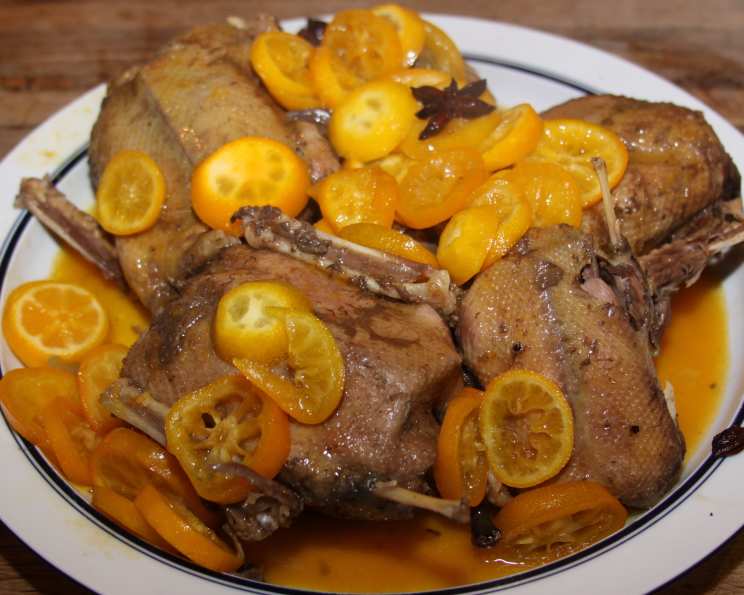
Roasted Duck with Aromatic Kumquat Sauce: A Symphony of Citrus and Spice
There’s a particular magic that happens when the rich, unctuous flavor of perfectly roasted duck meets the bright, zesty counterpoint of citrus. For me, that magic is embodied in this dish. I remember a time, not so long ago, when the mere thought of roasting a whole duck felt like an extravagance, a culinary undertaking reserved for truly special occasions. It was during those moments of budgetary restraint that I’d pore over recipes, bookmarking treasures like this one, dreaming of the day I could once again indulge in the luxurious depth of duck and the delightful tartness of kumquats. This recipe, a gem from the Tribune’s Food & Drink Weekly Guide, has been stashed away, a promise of future celebratory meals, a testament to the enduring allure of simple, profound flavors.
Recipe Overview
- Prep Time: 30 minutes
- Cook Time: 2 hours 20 minutes
- Total Time: 2 hours 50 minutes
- Servings: 6
- Yield: 1 whole roasted duck with sauce
- Dietary Type: Not specified
Ingredients
Here’s what you’ll need to create this exquisite dish:
- 1 whole duck (approximately 4 1/2 lbs), washed and thoroughly dried
- 1 1/2 teaspoons salt
- 1 1/2 teaspoons pepper (freshly ground black pepper is always preferred for its aromatic qualities)
- 2 stalks of celery, diced
- 1 medium onion, diced
- 2 cinnamon sticks
- 2 whole star anise
- 2 tablespoons olive oil, divided
- 1/4 cup honey
- 1/4 cup sherry wine vinegar
- 2 cups orange juice (freshly squeezed will offer the best flavor)
- 1 tablespoon butter
- 10 medium kumquats, sliced crosswise into 1/8-inch thick slices (remove any seeds)
Equipment Needed
- Large roasting pan
- Sharp fork or duck pricker
- Large sauté pan
- Small bowl
- Kitchen twine or butcher’s string
- Medium saucepan (2-quart capacity, heavy-bottomed is ideal)
- Whisk
- Carving knife and fork
- Cutting board
Instructions
Embarking on the journey of roasting a duck can seem daunting, but with a little care and attention, the rewards are immense. Follow these steps to achieve a succulent duck with a vibrant, flavorful sauce.
-
Preheat and Prepare the Duck: Begin by preheating your oven to 400°F (200°C). This initial high heat will help render the fat and crisp the skin. Take your duck and, using a sharp fork or a dedicated duck pricker, carefully poke the skin all over. Pay attention to the breast, thighs, and legs. This crucial step allows the excess fat to escape during cooking, leading to a crispier skin and more tender meat.
-
Season the Duck: Once pricked, generously season the duck all over with the 1 1/2 teaspoons of salt and 1 1/2 teaspoons of pepper. Gently rub the seasoning into the skin, ensuring an even coating. This forms the foundation of the duck’s savory flavor.
-
Prepare the Aromatic Stuffing: In a small bowl, combine the diced celery, diced onion, cinnamon sticks, and star anise. Add 1 tablespoon of the olive oil and toss to lightly coat the aromatics. This fragrant mixture will infuse the duck with subtle warmth and depth as it roasts.
-
Stuff and Truss the Duck: Carefully stuff the aromatic mixture into the cavity of the duck. Be sure not to overstuff, as this can prevent even cooking. Next, tie the legs together with kitchen twine, tucking the tail end to help keep the stuffing securely inside. This not only helps with presentation but also ensures the aromatics remain where they are intended to be.
-
Sear the Duck: Heat the remaining 1 tablespoon of olive oil in a large sauté pan over medium-high heat. Carefully place the duck in the hot pan and brown it on all sides, turning every few minutes to achieve an even, golden-brown color. This searing process, which should take about 20 minutes in total, adds another layer of flavor and helps to render more fat.
-
Roast the Duck: Transfer the seared duck and any accumulated juices to a roasting pan. Place the pan in the preheated oven. Roast the duck, basting it with its own juices every 15 minutes, until the juices run clear when you prick the thickest part of the thigh. This will take approximately 2 hours. The internal temperature of the thigh should reach at least 165°F (74°C).
-
Rest the Duck: Once the duck is cooked, remove it from the oven and set it aside to rest for 20 to 30 minutes before carving. This resting period is vital for allowing the juices to redistribute throughout the meat, ensuring a tender and moist final product.
-
Make the Kumquat Sauce (During the Final Hour of Roasting): While the duck is in its final hour of roasting, it’s time to prepare the vibrant kumquat sauce. In a 2-quart, heavy-bottomed saucepan, place the 1/4 cup of honey over high heat. Bring the honey to a boil and cook just until it begins to darken and caramelize. Watch this closely, as caramelized honey can burn quickly.
-
Deglaze and Reduce the Sauce: Immediately remove the pan from the heat and carefully add the 1/4 cup of sherry wine vinegar and 2 cups of orange juice, stirring vigorously to combine. The mixture will likely steam and bubble vigorously – this is normal. Return the pan to medium heat and cook until the liquid is reduced by three-fourths. This reduction process should take about 20 to 25 minutes, concentrating the flavors and creating a syrupy consistency.
-
Finish the Sauce: Once reduced, stir in the 1 tablespoon of butter until it is fully melted and incorporated. Then, gently add the sliced kumquats to the sauce. Simmer gently for 5 minutes, stirring occasionally, allowing the flavors to meld beautifully and the kumquats to soften slightly. Remove the sauce from the heat.
Expert Tips & Tricks
- Fat Rendering is Key: Don’t skip the step of pricking the duck’s skin. It’s essential for achieving that coveted crispy, golden skin. If you find there’s an excessive amount of fat in the roasting pan during cooking, you can carefully spoon some of it out, reserving it for other culinary uses – duck fat is liquid gold!
- Aromatic Intensity: For a more pronounced aromatic flavor within the duck cavity, you can lightly crush the cinnamon sticks and star anise before placing them inside.
- Sauce Consistency: If your kumquat sauce seems too thick after the reduction, you can stir in a tablespoon or two of water or orange juice to reach your desired consistency. Conversely, if it’s too thin, continue to simmer it gently for a few more minutes.
- Kumquat Prep: Ensure you remove any seeds from the kumquats before slicing. Their presence can make the sauce unpleasantly bitter.
- Resting Time: Resist the urge to carve the duck immediately after it comes out of the oven. The resting period is crucial for a succulent result.
Serving & Storage Suggestions
To serve, carve the rested duck into desired portions. Arrange the duck pieces on a warm platter and spoon the warm kumquat sauce generously over the top. The vibrant sauce not only adds a beautiful visual element but also complements the rich duck meat perfectly. This dish pairs wonderfully with roasted root vegetables, a simple green salad, or fluffy rice.
Leftover roasted duck can be stored in an airtight container in the refrigerator for up to 3 days. The kumquat sauce can also be stored separately in an airtight container in the refrigerator for up to 5 days. To reheat, gently warm the duck portions in the oven or on the stovetop. The sauce can be gently reheated in a saucepan over low heat, adding a splash of water or orange juice if it has become too thick.
Nutritional Information
| Nutrient | Amount per Serving (Approximate) | % Daily Value (Approximate) |
|---|---|---|
| Calories | 1545.9 kcal | – |
| Calories from Fat | 1267 kcal | – |
| Total Fat | 140.9 g | 216% |
| Saturated Fat | 46.9 g | 234% |
| Cholesterol | 263.9 mg | 87% |
| Sodium | 829 mg | 34% |
| Total Carbohydrate | 27.8 g | 9% |
| Dietary Fiber | 2.9 g | 11% |
| Sugars | 22.5 g | 90% |
| Protein | 40.7 g | 81% |
Note: Nutritional values are estimates and can vary based on specific ingredients and preparation methods.
Variations & Substitutions
While this recipe shines with its classic components, there’s always room for creative interpretation. If kumquats are out of season or unavailable, you could experiment with other small citrus fruits like clementines or even halved seedless grapes for a similar sweet-tart profile, though the unique flavor of kumquat will be missed. For a spicier note, a pinch of red pepper flakes could be added to the sauce. Some might also enjoy adding a splash of brandy or marsala wine to the sauce reduction for an added layer of complexity.
FAQs
Q: Why is pricking the duck skin so important?
A: Pricking the skin allows the excess fat to render and escape during cooking, resulting in a much crispier skin and preventing the duck from becoming greasy.
Q: Can I make the kumquat sauce ahead of time?
A: Yes, the kumquat sauce can be made a day in advance and gently reheated before serving. This can save time when you’re ready to serve the duck.
Q: My duck skin isn’t crisping up. What did I do wrong?
A: Ensure the duck was thoroughly dried before seasoning and roasting. Also, check that your oven temperature is accurate. Sometimes, a final blast of high heat (broiler) for a minute or two at the end of cooking, with close supervision, can help crisp the skin further.
Q: How can I tell if the duck is cooked through?
A: The most reliable method is to use a meat thermometer. Insert it into the thickest part of the thigh, avoiding the bone; it should register 165°F (74°C). Visually, the juices should run clear when the thigh is pricked.
Q: Can I use a different type of poultry instead of duck?
A: While this recipe is specifically designed for duck, you could potentially adapt it for a large chicken or guinea fowl. However, the cooking times and fat rendering will differ significantly.
Final Thoughts
This Roasted Duck with Kumquat Sauce is a dish that truly elevates a meal, transforming the ordinary into the extraordinary. The interplay of the succulent, richly flavored duck with the bright, slightly bitter sweetness of the kumquat sauce is a culinary experience that lingers on the palate and in memory. I encourage you to embrace this recipe, to savor the process, and to delight in the delicious outcome. It’s a perfect centerpiece for any gathering, a dish that speaks of comfort, celebration, and the simple joy of sharing wonderful food. Gather your loved ones, pour a glass of your favorite wine, and prepare to be impressed.