
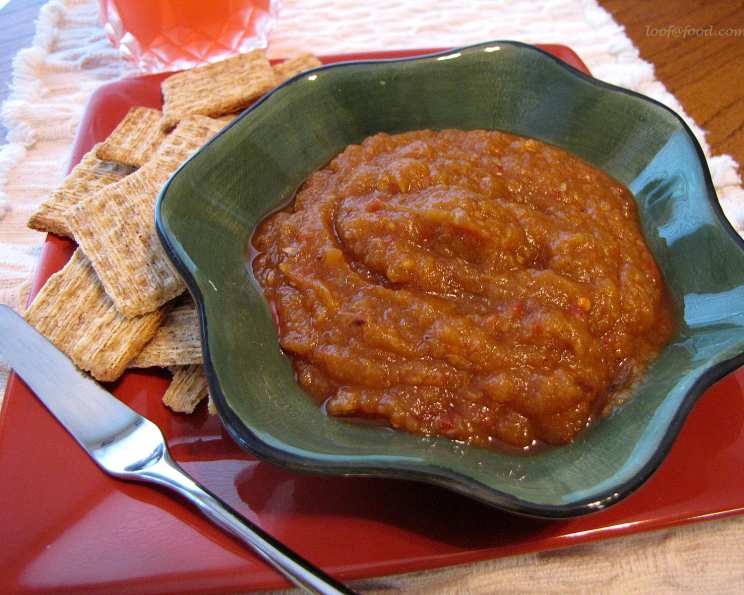
Roasted Eggplant Dip with Thai Flavors: A Taste of Sunshine
There’s a certain magic that happens when humble vegetables are coaxed into something extraordinary through the alchemy of heat. For me, roasted eggplant has always been one of those revelations. I vividly recall a trip to Thailand years ago, where street vendors expertly grilled eggplants over charcoal, their smoky aroma mingling with the fragrant scents of lime, chili, and cilantro. That intense, almost sweet, smoky flavor, combined with the creamy texture of the flesh, imprinted itself on my culinary memory. This Roasted Eggplant Dip, infused with those very Thai notes, is my way of recapturing that vibrant, unforgettable taste of sunshine, bringing a piece of that exotic market to my own kitchen.
Recipe Overview
- Prep Time: 15 minutes
- Cook Time: 30 minutes
- Total Time: 45 minutes
- Servings: 6
- Yields: 1 ½ Cups
- Dietary Type: Vegan, Dairy-Free
Ingredients
- 1 large eggplant (about 1 ¼ pounds)
- 1 tablespoon palm sugar or 1 tablespoon brown sugar
- 1 teaspoon soy sauce
- ½ teaspoon salt
- 2 tablespoons Asian roasted chili paste or 2 tablespoons chili-garlic sauce
- 2 tablespoons lime juice or 2 tablespoons lemon juice
- ¼ cup fresh cilantro, finely chopped
- 2 green onions, thinly sliced
- Cilantro leaf (for garnish)
Equipment Needed
- Baking sheet
- Food processor (fitted with the metal blade)
- Mixing bowl
Instructions
- Preheat your oven to 400 degrees F (200 degrees C). Lightly grease a baking sheet with a touch of oil or cooking spray to prevent sticking.
- Prepare the eggplant: Cut the eggplant in half lengthwise, leaving the stem intact on both halves. This helps to maintain the eggplant’s shape during roasting.
- Roast the eggplant: Place the eggplant halves, cut side down, onto the prepared baking sheet.
- Bake until the eggplant is tender and softened. This usually takes about 30 minutes. You can test for doneness by gently pressing the flesh; it should yield easily.
- Cool the eggplant: Once roasted, carefully remove the baking sheet from the oven and allow the eggplant to cool to room temperature. This is crucial for handling the flesh and for the flavors to meld properly.
- Extract the flesh: Once cooled, scoop out the soft, roasted eggplant flesh from the skins. Discard the skins.
- Process the dip: Transfer the eggplant flesh to a food processor that has been fitted with the metal blade.
- Add flavorings: To the food processor, add the palm sugar (or brown sugar), soy sauce, salt, Asian roasted chili paste (or chili-garlic sauce), and lime juice (or lemon juice).
- Puree the mixture: Using on-off pulses of the food processor, process the ingredients until you achieve a thick, coarse puree. It’s important to stop the processor periodically and scrape down the sides as needed to ensure everything is ground evenly and the desired texture is reached. Avoid over-processing into a completely smooth paste; a slightly coarse texture is desirable here.
- Incorporate fresh herbs: Transfer the pureed eggplant mixture to a mixing bowl.
- Stir in the aromatics: Gently stir in the finely chopped fresh cilantro and the thinly sliced green onions.
- Serve: Serve the dip at room temperature.
- Garnish: Garnish the dip with fresh cilantro leaves just before serving for a vibrant finish.
Expert Tips & Tricks
For an even deeper, smokier flavor, consider grilling the eggplant halves over an open flame on your grill until charred and tender, rather than roasting in the oven. This adds an authentic, rustic dimension. When scooping out the eggplant flesh, ensure you get all the soft bits; the skin is not used in this recipe. If your chili paste is particularly potent, you can start with a little less and add more to taste. The balance of sweet, salty, sour, and spicy is key to this dish, so don’t be afraid to make minor adjustments to the sugar, soy sauce, lime juice, and chili paste to suit your palate.
Serving & Storage Suggestions
This Roasted Eggplant Dip is incredibly versatile. It shines as a dip for an array of fresh vegetables, such as crisp strips of cucumber, vibrant green sweet pepper, crunchy carrots, or blanched broccoli florets, asparagus spears, or tender green beans. It also makes a fantastic spread for toasted bread, crackers, or even as a flavorful accompaniment to grilled meats or seafood.
Leftovers can be stored in an airtight container in the refrigerator for up to 3 days. Because the flavors continue to meld, it can even taste better on the second day! Bring it back to room temperature for about 30 minutes before serving again to enjoy its full flavor and texture. It’s not recommended for freezing.
Nutritional Information
| Nutrient | Amount per Serving (approximate) | % Daily Value |
|---|---|---|
| Calories | 134.6 kcal | |
| Total Fat | 0.8 g | 1% |
| Saturated Fat | 0.1 g | 0% |
| Cholesterol | 0 mg | 0% |
| Sodium | 1010.8 mg | 42% |
| Total Carbohydrate | 32.7 g | 10% |
| Dietary Fiber | 13.1 g | 52% |
| Sugars | 17.9 g | 71% |
| Protein | 4.6 g | 9% |
Note: Nutritional information is an estimate and can vary based on specific ingredients used.
Variations & Substitutions
For a gluten-free option, ensure your Asian roasted chili paste or chili-garlic sauce is gluten-free, and use tamari instead of soy sauce. If palm sugar is unavailable, brown sugar is a perfectly acceptable substitute, offering a similar caramel note. For a spicier kick, you can add a pinch of red pepper flakes or a dash of sriracha during the processing stage. If you don’t have fresh lime, lemon juice offers a bright acidity that works beautifully. For a more herbaceous dip, consider adding a small amount of fresh mint or Thai basil along with the cilantro.
FAQs (Frequently Asked Questions)
Q: What kind of eggplant works best for this dip?
A: A large, globe eggplant is ideal. Its dense flesh roasts beautifully and yields a creamy texture when pureed.
Q: Can I make this dip ahead of time?
A: Yes, the dip can be made up to 3 days in advance and stored in the refrigerator. The flavors will deepen and meld beautifully overnight.
Q: How do I get a smoky flavor without grilling?
A: Roasting the eggplant at a high temperature (400°F) helps develop a lovely depth of flavor. You can also use a smoked paprika sparingly in addition to the chili paste for an extra smoky note.
Q: What if I don’t have a food processor?
A: You can finely mince the roasted eggplant flesh with a knife and then vigorously mash it with a fork or potato masher. While it won’t be as smooth, it will still be delicious.
Q: How should I adjust the heat level?
A: The heat comes from the Asian roasted chili paste or chili-garlic sauce. Start with the recommended amount and add more, a little at a time, until you reach your desired level of spice.
Final Thoughts
This Roasted Eggplant Dip with Thai Flavors is more than just a recipe; it’s an invitation to savor the vibrant, complex tastes of Southeast Asia with minimal effort. It’s a testament to how simple ingredients, treated with care, can transform into something truly spectacular. I encourage you to try this recipe, play with the spice levels, and serve it with your favorite dippers. It’s a dish that’s perfect for sharing, bringing a burst of flavor and a touch of the exotic to any gathering or simply a delightful accompaniment to a quiet afternoon. I’d love to hear about your culinary adventures with this vibrant dip!