
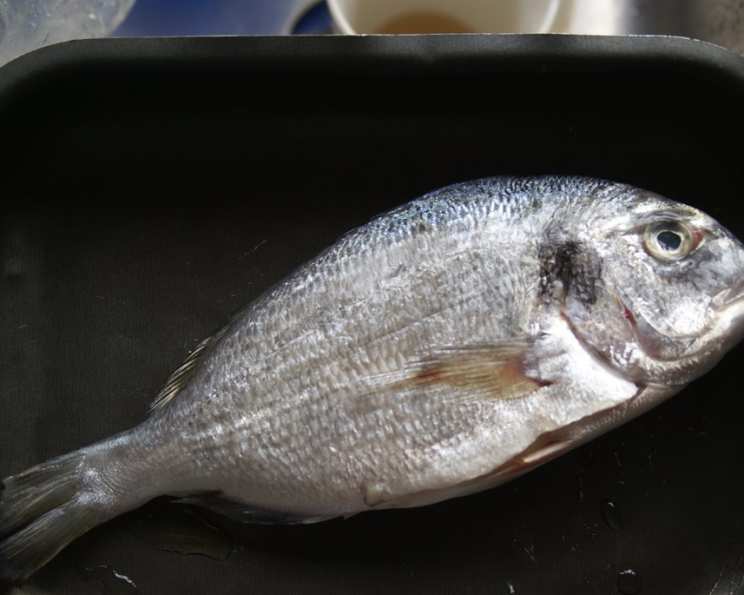
The Soulful Simplicity of Roasted Sea Bream
There’s a unique magic that happens when you roast a whole fish. For me, it always brings back memories of long, sun-drenched afternoons spent by the Mediterranean Sea, the salty air mingling with the aroma of simple, honest cooking. My grandfather, a fisherman by trade and a cook by passion, would often bring home the freshest catch of the day. He’d hand me a ripe lemon, a sprig of rosemary, and a bundle of parsley, his weathered hands guiding mine as we’d prepare the fish for the oven. It wasn’t about elaborate techniques or exotic spices; it was about letting the inherent quality of the fish and a few fragrant aromatics shine. This method of roasting, encased in foil, is precisely how he taught me to coax out the fish’s natural moisture and infuse it with subtle herbal notes, a technique that still feels like a warm embrace every time I prepare it.
Roasted Sea Bream
This recipe is a testament to the beauty of uncomplicated cooking, allowing the pure flavor of the fish to take center stage. It’s a method perfect for whole fish or substantial fish sections, but it’s important to note it’s not designed for delicate fillets or steaks, which would overcook in this sealed environment. My go-to for this preparation is the elegant sea bream, its delicate white flesh a canvas for simple seasonings. However, feel free to substitute with equally delightful fish like dorado or sea bass – the principle remains the same. A single, beautifully roasted fish makes a satisfying meal for one, and if you’re entertaining, remember to wrap each fish individually to ensure even cooking and to preserve its individual character.
- Prep Time: 15 minutes
- Cook Time: 30 minutes
- Total Time: 45 minutes
- Servings: 1
- Yield: 1 whole roasted fish
- Dietary Type: Gluten-Free, Dairy-Free
Ingredients
- 1 whole sea bream (or 1 similar fish, such as dorado or sea bass)
- 1 tablespoon olive oil
- 1 bunch parsley (or 1 bunch mint)
Equipment Needed
- Oven
- Aluminum foil
- Oven dish or baking tray
Instructions
The beauty of this dish lies in its simplicity, making it an ideal choice for weeknight dinners or relaxed weekend meals. To begin, ensure your sea bream is ready for cooking. Ideally, you’ll purchase it already cleaned and descaled. If not, take the time to give it a thorough rinse under cold water and carefully descale it using the back of a knife or a fish scaler. Pat the fish dry with paper towels; this helps the oil and herbs adhere better.
Next, prepare your roasting environment. Cut a generous length of aluminum foil – it needs to be large enough to completely enclose the fish, creating a sealed parcel. Lightly spread a thin layer of olive oil all over the inside surface of the foil. This not only prevents sticking but also adds a subtle richness.
Now, arrange your aromatics. Place a bed of parsley (or mint, if you prefer its brighter, more pungent flavor) onto the oiled foil, creating an area roughly the size of your fish. This fragrant bed will gently steam the fish as it roasts, infusing it with herbaceous notes.
Carefully place the cleaned sea bream on top of the parsley bed. Drizzle the remaining olive oil directly over the fish, ensuring it’s coated evenly. Then, cover the top side of the fish with more parsley or mint. Don’t be shy with the herbs; any leftover parsley or mint can be tucked inside the fish’s abdomen, where the innards were removed, to further enhance its internal flavor.
Once the fish is seasoned and adorned with herbs, it’s time to create the protective pouch. Carefully fold the aluminum foil over the fish and seal it up tightly. You want to create a completely closed parcel, ensuring no steam can escape. This sealed environment is key to keeping the fish incredibly moist and tender as it cooks, while also concentrating the aromatic flavors.
Finally, place the foil-wrapped sea bream into an oven dish or baking tray. Roast in a preheated oven at 200°C (400°F) for approximately 30 minutes. The cooking time can vary slightly depending on the exact size of your fish; larger specimens might require a few extra minutes. To check for doneness, carefully unwrap a small section of the foil. The flesh should be opaque and flake easily when gently prodded with a fork near the thickest part of the fish. If it still appears translucent or resists flaking, re-seal the foil and return it to the oven for another 5-10 minutes, checking again.
Expert Tips & Tricks
When selecting your fish, look for clear, bright eyes and firm, shiny skin – these are indicators of freshness. If you don’t have fresh herbs readily available, a pinch of dried herbs like thyme or oregano can be used, though the fresh flavor is always superior. For an extra layer of flavor, consider adding a few thinly sliced lemon rounds inside the fish or on top of the herbs before sealing the foil. This imparts a gentle citrus tang that beautifully complements the delicate fish. If your oven tends to run hot, it’s always a good idea to check for doneness a few minutes before the recommended time to prevent overcooking.
Serving & Storage Suggestions
To serve, carefully unwrap the foil parcel, being mindful of the hot steam that will escape. You can either present the fish directly in its foil on a platter, surrounded by fresh lemon wedges and an extra sprig of parsley, or gently transfer it to a serving dish. This dish pairs wonderfully with simple sides like a crisp green salad, steamed vegetables, or some crusty bread to soak up any delicious juices. Leftover roasted fish can be stored in an airtight container in the refrigerator for up to 2 days. To reheat, gently warm it in the oven at a low temperature (around 150°C / 300°F) or flake the flesh into a salad or pasta dish. Avoid microwaving, as it can toughen the delicate fish.
Nutritional Information
| Nutrient | Amount per Serving | % Daily Value |
|---|---|---|
| Calories | 122.9 kcal | N/A |
| Calories from Fat | N/A | 122 g |
| Total Fat | 13.6 g | 20% |
| Saturated Fat | 1.9 g | 9% |
| Cholesterol | 0 mg | 0% |
| Sodium | 5.9 mg | 0% |
| Total Carbohydrate | 0.6 g | 0% |
| Dietary Fiber | 0.3 g | 1% |
| Sugars | 0.1 g | 0% |
| Protein | 19.0 g | 38% |
Note: Nutritional information is an estimate and can vary based on the specific fish used and exact ingredient measurements.
Variations & Substitutions
While sea bream is a classic, this method is incredibly versatile. Dorado (or gilt-head bream) offers a similar delicate flavor and texture. Sea bass is another excellent choice, slightly richer but equally delicious when roasted this way. For a different herbaceous profile, consider using a mix of dill and parsley, or even a few sprigs of thyme or rosemary tucked inside the fish. If you enjoy a hint of spice, a thin slice of chili pepper can be added to the herb mixture. For a touch of acidity, a few thin slices of lemon or lime can be placed inside the fish’s cavity alongside the herbs.
FAQs
Q: Can I use fish fillets or steaks with this method?
A: No, this recipe is specifically designed for whole fish or larger sections. Fillets and steaks are too thin and would overcook rapidly in the sealed foil packet.
Q: How do I know if my fish is cooked through?
A: The flesh should be opaque and flake easily when tested with a fork near the thickest part of the fish.
Q: What if I don’t have fresh herbs?
A: While fresh herbs provide the best flavor, you can use dried herbs like thyme or oregano. Use about a third of the amount of dried herbs as you would fresh.
Q: Can I add other vegetables to the foil packet?
A: While this recipe focuses on the fish and herbs, you could experiment with thin slices of lemon or garlic for added flavor. However, avoid adding vegetables that require longer cooking times, as they won’t cook evenly with the fish.
Q: Is it important to seal the foil tightly?
A: Yes, a tight seal is crucial. It traps the steam, which is essential for keeping the fish moist and tender, and prevents the delicate herbs from burning.
Final Thoughts
There’s a profound satisfaction that comes from preparing and enjoying a dish as elemental as a whole roasted fish. It’s a reminder that the most exquisite flavors often arise from the simplest preparations, allowing the quality of the ingredients to speak for themselves. This roasted sea bream, with its tender, flaky flesh infused with the subtle perfume of parsley and olive oil, is a perfect example. I encourage you to try this method, to embrace its straightforward elegance, and to savor the moment. Serve it with a glass of crisp white wine and let the fresh, clean flavors transport you. I’d love to hear about your own experiences and any delightful twists you discover!