
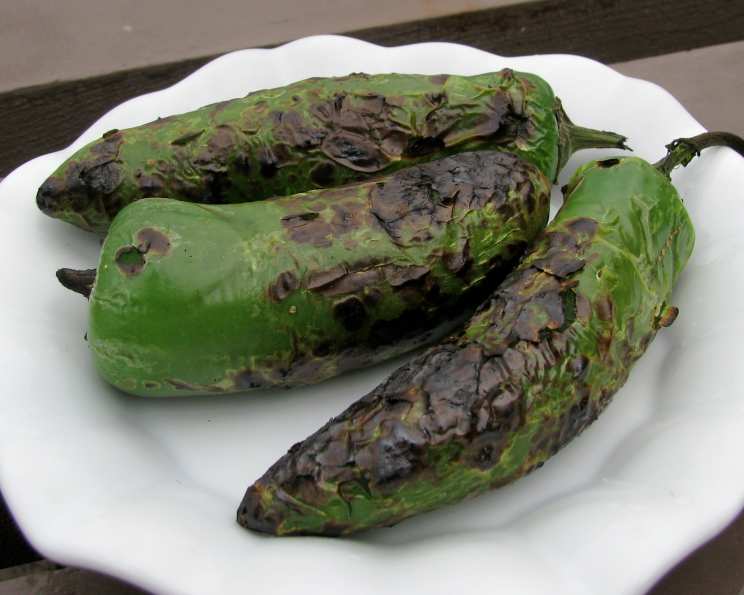
Mastering the Art of Roasting Fresh Chilies
There’s a magic that happens when heat meets pepper, a transformative alchemy that intensifies their inherent flavors and softens their fiery bite. I remember, as a young apprentice in a bustling Mexican kitchen, spending hours at the open flame, the air thick with the smoky perfume of charring poblanos. My mentor, a woman whose hands moved with the grace of a dancer, would instruct me to turn each chili with unwavering precision, aiming for that perfect blistered char. It was a lesson not just in cooking, but in patience and respect for ingredients, a memory that still warms me to this day.
Recipe Overview
- Prep Time: 15 minutes
- Cook Time: 30 minutes
- Total Time: 45 minutes
- Servings: 4
- Yield: 4 servings
- Dietary Type: Vegan, Gluten-Free, Dairy-Free
Ingredients
- 4 medium chilies (such as Poblanos, Jalapenos, or Bell Peppers – choose what you prefer or what’s available)
- Vegetable oil (for one of the methods)
Equipment Needed
- Tongs
- Paper bag or a closed container
- Skillet
- Broiler (optional, depending on method)
- Slotted spoon (optional, depending on method)
- Bowl of cold water (optional, depending on method)
- Paring knife
Instructions
Roasting chilies is a foundational technique that unlocks a depth of flavor and a wonderfully tender texture, making them incredibly versatile for a myriad of dishes. The process involves charring the skin until it blisters and blackens, which then makes it easy to remove, leaving behind the sweet, smoky flesh of the pepper. There are several excellent methods for achieving this, each with its own subtle nuances.
Method 1: Direct Flame Roasting
This is perhaps the most traditional and hands-on method, ideal for achieving a robust char.
- Prepare the chilies: Ensure your Poblanos, Jalapenos, or Bell Peppers are clean and thoroughly towel-dried. Moisture can cause splattering when exposed to direct heat.
- Roast over an open flame: Place the dry chilies directly onto the grates of a gas stovetop burner set to medium heat. Use tongs to carefully turn the chilies as they char. You’re looking for the skin to become blackened and blistered all over. This process typically takes about 5-10 minutes, depending on the heat of your flame and the size of the chilies. Keep them moving to ensure even charring and prevent scorching, which can lead to a bitter taste.
- Steam the chilies: As soon as the chilies are well-charred, immediately transfer them to a paper bag or a closed container (like a bowl with a lid). Seal the bag or close the container tightly. Allow the chilies to steam for 15 minutes. This crucial step, often referred to as “letting the chilies sweat,” makes the skin significantly easier to peel off. It also allows them to cool down enough to handle comfortably while continuing to cook gently from their own residual heat.
- Peel the chilies: After steaming, carefully remove the chilies from the bag or container. The skin should now be loose and papery. You can gently rub the skin off with your fingers. If you prefer to avoid losing any of the pepper’s flavor, drying peeling is recommended. However, if you find it difficult, you can peel the skins under cool running water, but be careful not to soak the chilies, as this can dilute their flavor. Use a paring knife to remove any remaining bits of skin that are difficult to remove with your fingers.
Method 2: Skillet Roasting
This method offers a controlled way to achieve a good char without direct flame.
- Prepare the chilies: As with the direct flame method, ensure your chilies are clean and dry.
- Heat the skillet: Place a skillet on the stovetop and heat it to medium-high.
- Roast in the skillet: Place the dry chilies in the hot skillet. Turn them frequently with tongs until they are charred on all sides, similar to the direct flame method. Be attentive to avoid scorching, which can impart a bitter flavor. This will take approximately 5-10 minutes, depending on the heat of your skillet and the size of the chilies.
- Steam the chilies: Immediately after charring, place the chilies into a paper bag or a closed container and seal it. Allow them to steam for 15 minutes. This “sweating” period is essential for loosening the skins.
- Peel the chilies: Once steamed, remove the chilies and peel off the charred skin using your fingers or a paring knife, as described in Method 1.
Method 3: Broiler Roasting
The broiler provides intense, direct heat from above, making it an efficient way to char peppers, especially when you need to roast many at once. This method is particularly useful when you plan to stuff the chilies.
- Prepare the chilies: Clean and thoroughly dry your Poblanos, Jalapenos, or Bell Peppers.
- Preheat the broiler: Set your oven’s broiler to medium-high.
- Brush with oil: Lightly brush the chilies all over with vegetable oil. This helps the skin to blister and char more evenly.
- Broil the chilies: Place the oiled chilies in a single layer on a baking sheet. Position the baking sheet under the broiler. Char the chilies on all sides, turning them with tongs as needed. Watch them closely, as broilers can char peppers quickly, and you want to avoid burning. This should take about 5-10 minutes.
- Steam and peel: Immediately transfer the broiled chilies to a paper bag or closed container to steam for 15 minutes. After steaming, peel off the loosened skin using your fingers or a paring knife, as detailed in Method 1.
Method 4: Frying (for immediate use and stuffing)
This method is a time-saver if you intend to use the roasted chilies immediately, particularly for stuffing, as it cooks and chars them quickly.
- Heat the oil: Pour vegetable oil into a skillet to reach a depth of about 1/4 inch. Heat the oil over medium-high heat.
- Fry the chilies: Carefully place 1-2 chilies at a time into the hot oil. Using a slotted spoon, turn the chilies constantly to ensure they fry evenly. The skins will swell and char. This process is very quick, typically taking only about 5-10 seconds per side until they are golden brown and the skin has started to blister.
- Cool in water: As soon as the chilies are fried to your liking, immediately transfer them using the slotted spoon to a bowl of cold water. This stops the cooking process and helps to loosen the skin.
- Peel the chilies: Use your fingers to gently peel off the skins while they are submerged in the cold water. As mentioned before, while dry peeling is preferred by some for flavor retention, peeling under running water is also acceptable, just avoid soaking them. Use a paring knife to remove any stubborn bits of skin.
Expert Tips & Tricks
- Uniformity is Key: When roasting, try to select chilies of similar size for more even cooking times, especially when using the direct flame or broiler methods.
- Don’t Over-Char: A good char is desirable for smoky flavor, but excessive burning will lead to bitterness. Keep a close eye on your chilies.
- The Power of Steam: Never skip the steaming step! It’s the secret to easily peeling those stubborn skins and achieving a perfect texture.
- Dry Peel for Flavor: While peeling under water is convenient, aficionados swear by dry peeling to retain every last bit of smoky flavor.
- Seed and Stem with Care: After peeling, you can easily remove the stem and core. A small paring knife is your best friend for this delicate task. For milder chilies, you can also scrape out the seeds, or leave some in for a touch more heat.
Serving & Storage Suggestions
Roasted chilies are incredibly versatile. They can be chopped and added to salsas, guacamole, sauces, stews, or casseroles. Their smoky sweetness makes them a fantastic addition to any Southwestern or Mexican-inspired dish. You can also stuff them whole after seeding and charring, perhaps with cheese, rice, or meat.
Storage: Once peeled, roasted chilies can be stored in an airtight container in the refrigerator for up to 3-4 days. For longer storage, you can freeze them, either whole or chopped, for up to 3 months. Thaw overnight in the refrigerator before using. They can also be preserved in oil or brine.
Nutritional Information
| Nutrient | Amount per Serving | % Daily Value |
|---|---|---|
| Calories | 18 kcal | – |
| Calories from Fat | – | 5% |
| Total Fat | 0.1 g | 0% |
| Saturated Fat | 0 g | 0% |
| Cholesterol | 0 mg | 0% |
| Sodium | 3.1 mg | 0% |
| Total Carbohydrate | 4.3 g | 1% |
| Dietary Fiber | 0.7 g | 2% |
| Sugars | 2.3 g | 9% |
| Protein | 0.9 g | 1% |
Note: Nutritional information is an estimate and will vary based on the type and size of chilies used.
Variations & Substitutions
- Chili Variety: Feel free to experiment with different types of chilies! Anaheims, Serranos, or even sweeter Italian frying peppers can be roasted using these methods. Just adjust cooking times based on their size and thickness.
- Added Flavor: Before roasting, a light brush of garlic-infused oil or a sprinkle of smoked paprika can add another layer of flavor.
- Spicier Kick: For an extra burst of heat, leave some of the seeds in your Jalapenos or Serranos after roasting and peeling.
FAQs
Q: Why do I need to let the roasted chilies steam?
A: Steaming the chilies in a bag or container loosens the charred skin, making it much easier to peel off and revealing the tender pepper flesh beneath.
Q: Can I roast chilies in the oven without a broiler?
A: While a broiler provides direct, intense heat, you can roast chilies in a conventional oven at high heat (around 450-500°F or 230-260°C), turning them frequently, until the skins are blistered and charred. It may take slightly longer.
Q: How do I know when the chilies are properly charred?
A: You’re looking for the skin to be significantly blackened and blistered all over. This indicates that the heat has penetrated the pepper and loosened the skin for easy removal.
Q: Can I roast bell peppers this way too?
A: Absolutely! Bell peppers roast beautifully using these methods, yielding sweet, smoky flavors that are wonderful in salads, dips, or as a side dish.
Q: What’s the best method for stuffing chilies?
A: The broiler method or the direct flame method are often preferred for stuffing, as they char the peppers effectively while keeping them relatively intact, making them easier to fill after seeding.
Final Thoughts
Embracing the art of roasting chilies is a gateway to a world of vibrant flavors. Whether you choose the primal dance over an open flame, the controlled char of a skillet, the intense heat of the broiler, or the quick fry, the result is a profoundly satisfying transformation. These simple steps elevate humble peppers into star ingredients, ready to infuse your culinary creations with a delightful smoky depth. So, gather your favorite chilies, ignite your stove, and unlock the delicious potential that lies within. I encourage you to try all the methods and discover your favorite, and be sure to share your delicious endeavors!