
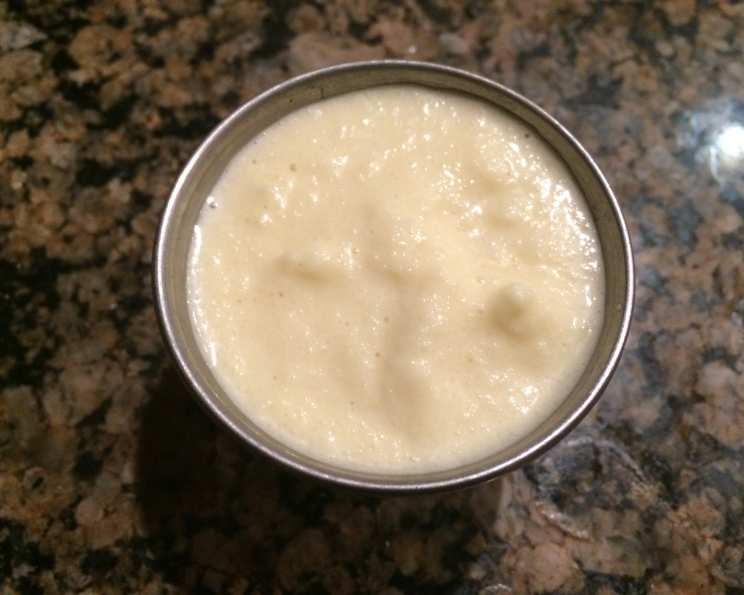
The Golden Elixir: Mastering the Art of Roasted Garlic Paste
There are few aromas that can transport me back to my grandmother’s kitchen quite like the sweet, mellow fragrance of roasting garlic. I remember, as a young apprentice, wrestling with raw garlic, my fingers stained and my breath potent enough to ward off a legion of vampires. My early attempts at garlic paste often resulted in a fiery intensity that, while delicious in certain contexts, lacked the nuanced depth I craved. It was only when I discovered the transformative magic of roasting the garlic first that I unlocked a new dimension of flavor. This simple technique tames the raw bite, coaxing out a profound sweetness and a creamy texture, all while being surprisingly lower in calories than oil-laden alternatives.
Recipe Overview
- Prep Time: 15 minutes
- Cook Time: 30 minutes
- Total Time: 45 minutes
- Servings: 12
- Yield: Approximately 1 cup of paste
- Dietary Type: Vegan, Gluten-Free, Dairy-Free
Ingredients
- 8 ounces garlic cloves, peeled
- 1 tablespoon kosher salt
- 4 tablespoons olive oil
- 4 tablespoons unsalted vegetable stock
- 4 tablespoons fresh lemon juice
Equipment Needed
- Large pan
- Food processor
- Spatula
- Measuring spoons and cups
Instructions
- Begin by preparing the garlic. In a large pan, add 2 tablespoons of the olive oil and place it over medium heat.
- Carefully add the peeled garlic cloves to the heated oil. Allow them to heat, stirring frequently. The goal is to ensure that all the cloves are at least partly browned and softened. This process should take approximately 30 minutes. Keep an eye on the garlic, ensuring it doesn’t burn, but rather develops a rich, golden hue and a yielding texture.
- Once the garlic has reached the desired tenderness and color, carefully pour the roasted garlic cloves and the oil from the pan into a food processor.
- Add the kosher salt to the food processor. Begin to process the mixture until the garlic is finely chopped. You may need to stop the food processor periodically to scrape down the sides with a spatula to ensure everything is incorporated evenly.
- While the food processor is running, begin to drizzle in the remaining 2 tablespoons of olive oil. Continue to process. Again, you might need to stop to scrape down the sides with a spatula if the mixture becomes too thick or uneven.
- Resume processing, this time gradually adding the unsalted vegetable stock. Continue to process, allowing the liquid to emulsify with the garlic and oil.
- Finally, gradually add the fresh lemon juice while the food processor continues to run. As you add the lemon juice, you will notice the mixture begin to turn white and become lighter in color.
- Continue processing, scraping down the sides as needed, until the mixture has achieved a smooth, creamy consistency. The ideal texture should resemble whipped egg whites.
Expert Tips & Tricks
When roasting your garlic, don’t be afraid of a little color. Those golden-brown edges are where the sweetness truly develops. If your garlic begins to brown too quickly, reduce the heat slightly. The key is consistent, gentle heat to soften the cloves without burning them. For an even smoother paste, you can pass the finished mixture through a fine-mesh sieve, though this is usually unnecessary if your food processor is powerful enough. If you find your paste a little too thick, a touch more vegetable stock or lemon juice, added incrementally, can help loosen it.
Serving & Storage Suggestions
This versatile Roasted Garlic Paste is a culinary chameleon. It’s fantastic spread on crusty bread, stirred into pasta sauces for an instant flavor boost, whisked into salad dressings for a creamy tang, or even blended into dips and hummus. For an elegant presentation, serve it in a small, attractive bowl.
To store, transfer the Roasted Garlic Paste to an airtight container. It will keep well in the refrigerator for up to 1 week. For longer storage, you can freeze portions of the paste in ice cube trays, then transfer the frozen cubes to a freezer-safe bag. Frozen paste can last for up to 3 months. To use frozen paste, thaw it in the refrigerator overnight or gently warm it in a saucepan over low heat.
Nutritional Information
| Nutrient | Amount per Serving | % Daily Value |
|---|---|---|
| Calories | 69.3 | |
| Calories from Fat | ||
| Total Fat | 4.6 g | 7 % |
| Saturated Fat | 0.6 g | 3 % |
| Cholesterol | 0 mg | 0 % |
| Sodium | 584.8 mg | 24 % |
| Total Carbohydrate | 6.7 g | 2 % |
| Dietary Fiber | 0.4 g | 1 % |
| Sugars | 0.3 g | 1 % |
| Protein | 1.2 g | 2 % |
Nutritional values are estimates and may vary based on specific ingredients and preparation methods.
Variations & Substitutions
While this recipe is wonderfully balanced as is, feel free to experiment. For a richer flavor profile, you could substitute some of the vegetable stock with chicken or vegetable broth. If you prefer a sharper, more pungent garlic flavor, reduce the roasting time slightly. A pinch of smoked paprika can add a lovely smoky depth, or a few fresh herbs like rosemary or thyme, added during the food processing stage, can introduce delightful aromatic complexity. For those seeking a more intense citrus note, a splash of lime juice can be used in place of or in addition to the lemon juice.
FAQs
Q: Can I use regular salt instead of kosher salt?
A: Yes, you can, but you’ll need to adjust the quantity. Start with about half the amount and add more to taste, as table salt is much more potent than kosher salt.
Q: My garlic paste is too thick. What can I do?
A: Gradually add a little more vegetable stock or lemon juice, one teaspoon at a time, while the food processor is running until you reach your desired consistency.
Q: Can I roast the garlic in the oven instead of the pan?
A: Absolutely! While the pan method is quick and effective for softening, oven-roasting whole heads of garlic wrapped in foil at 400°F (200°C) until tender (about 45-60 minutes) is another excellent way to achieve a similar result. Then, you would just squeeze the softened cloves out of their skins.
Q: How long does the roasted garlic paste typically last?
A: Stored in an airtight container in the refrigerator, it should remain fresh and flavorful for up to 1 week.
Q: Is it safe to eat raw garlic if I don’t roast it?
A: Raw garlic is perfectly safe to eat, but it has a significantly sharper and more pungent flavor profile compared to roasted garlic. Roasting mellows out the allicin, the compound responsible for raw garlic’s bite, and brings out its natural sweetness.
Final Thoughts
This Roasted Garlic Paste is more than just an ingredient; it’s a testament to the transformative power of simple cooking techniques. It’s a foundational element that can elevate countless dishes, bringing a depth of flavor that is both comforting and sophisticated. I encourage you to make a batch this week and discover its magic for yourself. Share your creations, experiment with new pairings, and let the golden elixir of roasted garlic inspire your culinary adventures. It pairs beautifully with a crisp white wine or a robust red, depending on how you choose to use it.