
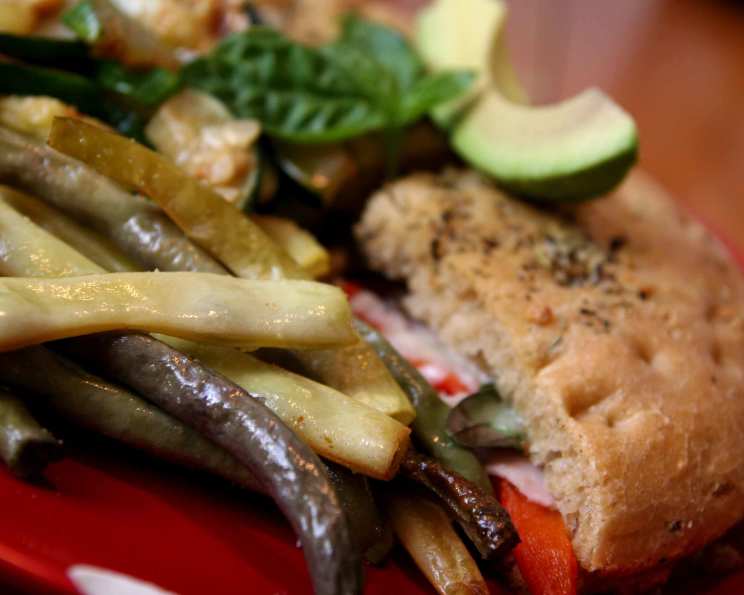
The Elegant Simplicity of Roasted Green Beans
There’s a humble charm to green beans, a vegetable often relegated to the side-lines of a meal, perhaps boiled to a mushy fate, drowned in a creamy soup, or smothered under fried onions. But years ago, a friend, a chef with an almost alchemist’s touch, introduced me to a revelation: roasted green beans. It was a crisp autumn evening, the kind that calls for comfort, and what arrived at the table was a platter of vibrant green spears, kissed by the oven’s heat, their edges caramelized to a delightful crisp. The aroma alone was intoxicating – a whisper of garlic, a hint of salt, and the clean, verdant scent of the beans themselves. It was a dish that proved perfection could lie in the simplest of preparations, and it’s been a go-to in my kitchen ever since, a testament to how a little heat can transform the ordinary into something truly extraordinary.
Recipe Overview
- Prep Time: 15 minutes
- Cook Time: 25 minutes
- Total Time: 40 minutes
- Servings: 6
- Yield: Vegetable Side Dish
- Dietary Type: Vegan, Gluten-Free, Dairy-Free
Ingredients
- 2 pounds fresh green beans, trimmed
- 1 tablespoon extra virgin olive oil
- 1/2 teaspoon garlic powder
- 1 teaspoon salt
- 1/4 teaspoon black pepper
Equipment Needed
- Large baking sheet
- Large mixing bowl
Instructions
The magic of roasted green beans lies in its straightforward preparation, allowing the natural sweetness and texture of the beans to shine. Here’s how to achieve that perfect tender-crisp bite with those delightful little browned edges:
- Preheat Your Oven: Begin by preheating your oven to 375 degrees Fahrenheit (190 degrees Celsius). This moderate temperature is key to allowing the beans to cook through evenly without burning.
- Prepare the Green Beans: Ensure your fresh green beans are thoroughly trimmed. This usually means snapping off the woody ends. You can do this by hand, or if you have a large quantity, you can line them up and slice off the ends with a knife. Rinse the beans under cool water and pat them completely dry with a clean kitchen towel or paper towels. Removing excess moisture is crucial for achieving a good roast; wet beans tend to steam rather than roast.
- Combine the Ingredients: In a large mixing bowl, combine the trimmed green beans, extra virgin olive oil, garlic powder, salt, and black pepper.
- Toss to Coat: Gently toss all the ingredients together until the green beans are evenly coated with the olive oil, garlic powder, salt, and pepper. Make sure every bean gets a little bit of seasoning.
- Arrange on Baking Sheet: Spread the seasoned green beans in a single layer on a large baking sheet. It is very important for the beans to be placed so as not to overlap or touch one another as much as possible. This allows hot air to circulate around each bean, promoting even roasting and preventing steaming. If your baking sheet is too small, use two.
- Roast to Perfection: Place the baking sheet in the preheated oven. Bake for 25 minutes, or until the green beans begin to shrivel and are tender crisp. You’re looking for a delightful texture – firm enough to bite through, but with a slight yielding tenderness, and the edges should show signs of caramelization and browning. You can test a bean by carefully taking one out and tasting it or checking for the desired texture.
Expert Tips & Tricks
To elevate your roasted green beans from simple side dish to a star attraction, consider these professional insights:
- Bean Selection Matters: Opt for fresh, firm green beans. Avoid those that appear limp or have yellowing. The fresher the bean, the better the result.
- Dry is Key: I cannot stress enough the importance of drying the beans thoroughly after washing. Any residual water will impede the roasting process and result in a less appealing texture.
- Don’t Crowd the Pan: This is a fundamental rule of roasting vegetables. Overcrowding leads to steaming, not roasting. If you have too many beans for one pan, use a second one. This ensures those coveted crispy bits.
- Oven Variations: Ovens can be fickle. Keep an eye on your beans towards the end of the cooking time. If they are browning too quickly, you can loosely tent the pan with foil. Conversely, if they aren’t browning enough, you can turn up the heat slightly for the last few minutes, or even switch to the broiler for 30-60 seconds, watching them very carefully to prevent burning.
- Garlic Powder vs. Fresh Garlic: While garlic powder is convenient and provides a consistent flavor, if you prefer a more pungent, fresh garlic flavor, you can mince 1-2 cloves of fresh garlic and toss them with the beans and olive oil. Be aware that fresh garlic can brown more quickly than garlic powder, so you may want to add it in the last 10-15 minutes of roasting to prevent it from burning.
Serving & Storage Suggestions
These roasted green beans are incredibly versatile and can be enjoyed in a variety of ways.
Serving:
They are absolutely delightful served hot immediately after roasting, as a classic side dish alongside grilled chicken, roasted meats, fish, or even a hearty vegetarian entree. Their bright flavor also makes them a wonderful addition to warm salads, where they can add a pleasant crunch and depth. What’s truly remarkable about this preparation is their ability to be enjoyed cold. I often find myself reaching for a container of them as a healthy and satisfying snack. They are also an unexpected and delicious addition to grain bowls, pasta salads, or as a vibrant component in a composed salad.
Storage:
Once cooled, store any leftovers in an airtight container in the refrigerator for up to 3-4 days. They retain their texture and flavor remarkably well. To reheat, you can gently warm them in a skillet over medium-low heat, in a toaster oven, or even briefly in the microwave, though for the best texture, a quick sauté or oven reheat is preferred.
Nutritional Information
Here’s an estimated nutritional breakdown for a serving of these delicious roasted green beans, based on 6 servings:
| Nutrient | Amount per Serving | % Daily Value |
|---|---|---|
| Calories | 67.8 kcal | |
| Calories from Fat | 32% | |
| Total Fat | 2.4 g | 3% |
| Saturated Fat | 0.3 g | 1% |
| Cholesterol | 0 mg | 0% |
| Sodium | 396.8 mg | 16% |
| Total Carbohydrate | 11 g | 3% |
| Dietary Fiber | 5.2 g | 20% |
| Sugars | 2.2 g | 8% |
| Protein | 2.8 g | 5% |
Nutritional values are estimates and can vary based on specific ingredients and preparation methods.
Variations & Substitutions
While this recipe is wonderfully simple, it’s also a fantastic canvas for your culinary creativity:
- Spicy Kick: For those who enjoy a touch of heat, add a pinch of red pepper flakes along with the garlic powder and pepper.
- Lemon Zest Brightness: After roasting, a squeeze of fresh lemon juice or a sprinkle of lemon zest can add a burst of brightness that complements the beans beautifully.
- Umami Boost: A teaspoon of soy sauce or tamari (for gluten-free) tossed with the beans before roasting can add a lovely depth of savory flavor.
- Aromatic Herbs: Consider adding a sprig or two of fresh rosemary or thyme to the baking sheet while the beans roast. The herbs will infuse the beans with their fragrance. Remove them before serving.
- Toasted Nuts: For added texture and richness, toss in some toasted almonds, pine nuts, or walnuts with the beans in the last 5 minutes of roasting.
FAQs (Frequently Asked Questions)
Q: Why are my roasted green beans soggy instead of crisp?
A: This is usually due to moisture. Ensure your beans are patted completely dry before tossing with oil and seasonings, and spread them in a single layer on the baking sheet without overlapping.
Q: Can I use frozen green beans for this recipe?
A: While fresh beans are recommended for the best texture, you can use frozen ones. However, be sure to thaw them completely and drain away as much excess water as possible before proceeding with the recipe. They may not achieve the same level of crispness as fresh.
Q: How do I know when the green beans are perfectly tender-crisp?
A: They should be easily pierced with a fork but still offer a slight resistance, indicating they are not mushy. You’ll also see some appealing browning and slight shriveling on the edges.
Q: Can I roast other vegetables alongside the green beans?
A: Absolutely! However, be mindful of cooking times. Vegetables like broccoli florets, asparagus spears, or bell pepper chunks can often roast well at the same temperature, but denser vegetables like potatoes or carrots would need a head start.
Q: What’s the best way to cut green beans for roasting?
A: Trimming the woody ends is the most important step. You can leave them whole, or if you prefer shorter pieces, you can cut them into 2-3 inch lengths. Consistency in size will help them roast evenly.
Final Thoughts
The beauty of roasted green beans lies in its effortless elegance. It’s a dish that proves you don’t need a complicated repertoire or exotic ingredients to create something truly delicious and satisfying. It’s a testament to the power of simple, quality ingredients treated with care and the transformative magic of heat. This recipe is a reminder that even the most unassuming vegetables can achieve star status with just a little attention. I encourage you to embrace this straightforward preparation, experiment with the suggested variations, and discover the joy of perfectly roasted green beans. Serve them alongside your favorite protein, toss them into a vibrant salad, or simply enjoy them straight from the pan as a healthy and delightful snack – you won’t be disappointed.