
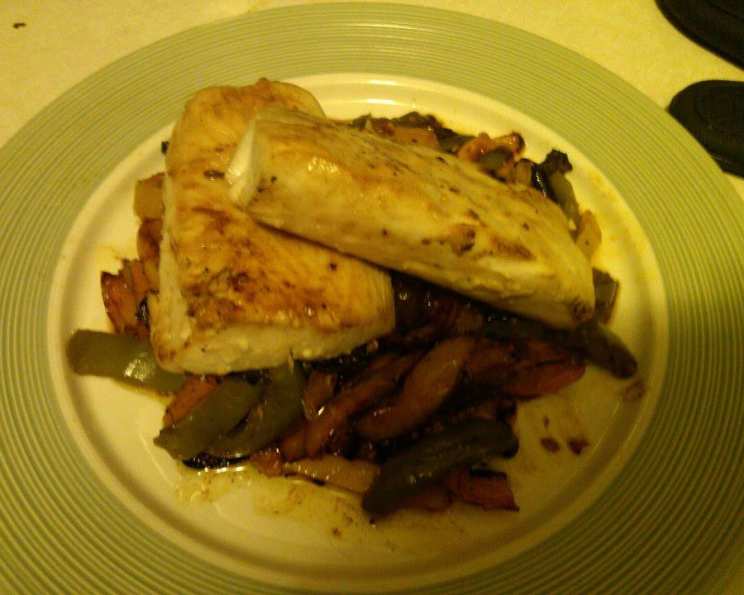
Roasted Mahi-Mahi and Shrimp With Garlic
I remember the first time I encountered a dish like this. It was at a small, bustling seafood shack on the coast of Florida, where the air itself tasted of salt and possibility. The chef, a weathered man with a twinkle in his eye, served up a simple yet profound plate: flaky white fish and succulent shrimp bathed in garlic and herbs, nestled alongside perfectly cooked rice and vibrant vegetables. It was a revelation – proof that elegance doesn’t require complexity. This recipe captures that same spirit, a testament to how fresh ingredients and a little bit of heat can transform the ordinary into something truly extraordinary.
Recipe Overview
- Prep Time: 30 minutes
- Cook Time: 30 minutes
- Total Time: 1 hour
- Servings: 4
- Yield: Serves 4
- Dietary Type: Gluten-Free (with Tamari), Dairy-Free
Ingredients
For this simple yet flavorful dish, you’ll need:
- 2 tablespoons olive oil
- 1 ½ tablespoons tamari (or soy sauce, if gluten is not a concern)
- ½ teaspoon salt
- Juice of ½ lemon
- 1 medium yellow onion, chopped
- 1 large red bell pepper, chopped
- 1 large green bell pepper, chopped
- 4 garlic cloves, minced
- 12 ounces mahi mahi, cut into 1-inch pieces
- 12 ounces shrimp, peeled and deveined
- 2 cups cooked brown rice, for serving
Equipment Needed
- Oven
- Large baking dish
- Small bowl
- Large bowl
Instructions
This recipe is designed for maximum flavor with minimal fuss, making it perfect for a weeknight meal or a casual gathering.
- Preheat your oven to 450°F (232°C). This high heat is crucial for achieving a beautiful sear on the fish and shrimp while tenderizing the vegetables.
- In a small bowl, whisk together the olive oil, tamari, salt, and lemon juice. This creates a bright, savory marinade that will infuse the seafood and vegetables with flavor.
- In a large baking dish, combine the chopped yellow onion, red bell pepper, green bell pepper, and minced garlic. Add half of the prepared marinade to the vegetables and toss gently to ensure they are evenly coated. Set this dish aside at room temperature to marinate for about 10 minutes. This allows the vegetables to begin softening and absorbing the flavors.
- While the vegetables are marinating, place the mahi mahi pieces and the shrimp into a large bowl. Pour the remaining half of the marinade over the seafood. Toss gently to coat. Cover the bowl and refrigerate for about 20 minutes. This chilling period allows the seafood to absorb the marinade without beginning to “cook” in the acidic lemon juice.
- Once the vegetables have had their initial marination time, place the baking dish with the vegetables into the preheated oven. Bake them until they are just tender, which should take approximately 20 minutes.
- Carefully remove the baking dish with the vegetables from the oven. Add the marinated mahi mahi and shrimp directly to the baking dish with the softened vegetables. Toss gently to combine everything.
- Return the baking dish to the oven. Cook for about 10 minutes more, or until the shrimp are curled and pink, and the mahi mahi is opaque and flakes easily with a fork. The high heat will cook the seafood quickly, ensuring it remains moist and tender.
Serving Suggestion: To serve, divide the mixture evenly among four plates. Each serving should include approximately ¼ of the mahi mahi, ¼ of the shrimp, ¼ of the vegetables, and ½ cup of the cooked brown rice. For those following specific dietary plans, this makes a complete Curves Complete Phase II lunch or dinner. A simple side salad with 2 tablespoons of any fat-free salad dressing complements the dish beautifully.
Expert Tips & Tricks
- Don’t Overcook the Seafood: Mahi-mahi and shrimp cook very quickly, especially at high temperatures. Keep a close eye on them during the final 10 minutes of baking. The shrimp should be plump and pink, and the mahi-mahi should be opaque and easily flaked. Overcooked seafood can become tough and dry.
- Uniform Cutting: Ensure your mahi-mahi pieces are roughly the same size to promote even cooking. Similarly, if your shrimp vary in size, consider adding larger ones a minute or two later than smaller ones if you are concerned about them overcooking.
- Marinade Time: While the recipe specifies 20 minutes of refrigeration for the seafood, you can shorten this to 10 minutes at room temperature if you’re short on time. However, avoid marinating for much longer than 30 minutes, as the acid in the lemon juice can start to break down the delicate proteins in the fish and shrimp, changing their texture.
- Vegetable Tenderness: The vegetables are meant to be tender-crisp after the initial 20-minute bake. If you prefer them softer, you can extend that initial baking time by a few minutes, but be mindful not to overcook them before adding the seafood.
Serving & Storage Suggestions
This dish is best enjoyed immediately after it comes out of the oven, when the seafood is at its most succulent and the flavors are at their peak. Serve the roasted mahi-mahi and shrimp over the fluffy brown rice, ensuring each portion gets a generous mix of fish, shrimp, and colorful vegetables.
Leftovers can be stored in an airtight container in the refrigerator for up to 2 days. While reheating in the microwave is convenient, it can sometimes dry out the seafood. For a gentler reheat, consider warming the leftovers in a skillet over low heat with a splash of water or broth, or briefly in a 300°F (150°C) oven until warmed through. Avoid freezing this dish, as the texture of the seafood can be compromised upon thawing.
Nutritional Information
| Nutrient | Amount per Serving | % Daily Value |
|---|---|---|
| Calories | 343.9 kcal | 17% |
| Total Fat | 9.3 g | 14% |
| Saturated Fat | 1.4 g | 6% |
| Cholesterol | 169.7 mg | 56% |
| Sodium | 1230.2 mg | 51% |
| Total Carbohydrate | 32.4 g | 10% |
| Dietary Fiber | 3.9 g | 15% |
| Sugars | 4.2 g | 5% |
| Protein | 31.7 g | 63% |
Note: Nutritional values are estimates and can vary based on specific ingredients and portion sizes.
Variations & Substitutions
- Spice it Up: For a touch of heat, add a pinch of red pepper flakes to the marinade or thinly sliced jalapeño to the vegetables before roasting.
- Herbaceous Notes: Fresh herbs like parsley, cilantro, or dill can be chopped and sprinkled over the dish just before serving for an extra burst of freshness.
- Different Veggies: Feel free to swap out the bell peppers and onions for other quick-roasting vegetables such as broccoli florets, zucchini slices, or cherry tomatoes. Adjust cooking times as needed.
- Citrus Twist: While lemon is wonderful, a lime or even a splash of orange juice in the marinade can offer a different citrus profile.
- Grain Alternatives: If brown rice isn’t your preference, this dish is also excellent served over quinoa, farro, or even a bed of fresh spinach.
FAQs
Q: Can I use other types of white fish instead of mahi-mahi?
A: Absolutely! Cod, snapper, or even halibut would work well, as long as they are firm and can be cut into similar-sized pieces.
Q: How do I know when the shrimp are cooked?
A: Shrimp are cooked when they turn pink and opaque, and their shape curls into a “C.” Avoid overcooking, which will make them tough.
Q: Is it important to marinate the seafood?
A: Yes, marinating helps to infuse the seafood with flavor and tenderize it slightly, contributing to a more delicious final dish.
Q: Can I make this dish ahead of time?
A: While it’s best served fresh, you can chop the vegetables and prepare the marinade a day in advance. Cook the brown rice ahead of time as well. Assemble and bake the dish just before serving.
Q: What if I don’t have tamari?
A: If you are not concerned about gluten, regular soy sauce is a direct substitute. Coconut aminos can also be used for a slightly different, sweeter flavor profile.
Final Thoughts
This roasted mahi-mahi and shrimp with garlic is more than just a recipe; it’s an invitation to savor simple, honest flavors. It’s a dish that speaks to the beauty of fresh ingredients treated with care. Whether you’re looking for a healthy weeknight meal or a light yet satisfying option for guests, this recipe delivers. I encourage you to give it a try, adjust it to your liking, and discover the joy of creating something truly delicious with ease. Pair it with a crisp white wine, like a Sauvignon Blanc or Pinot Grigio, and enjoy the vibrant taste of the ocean.