
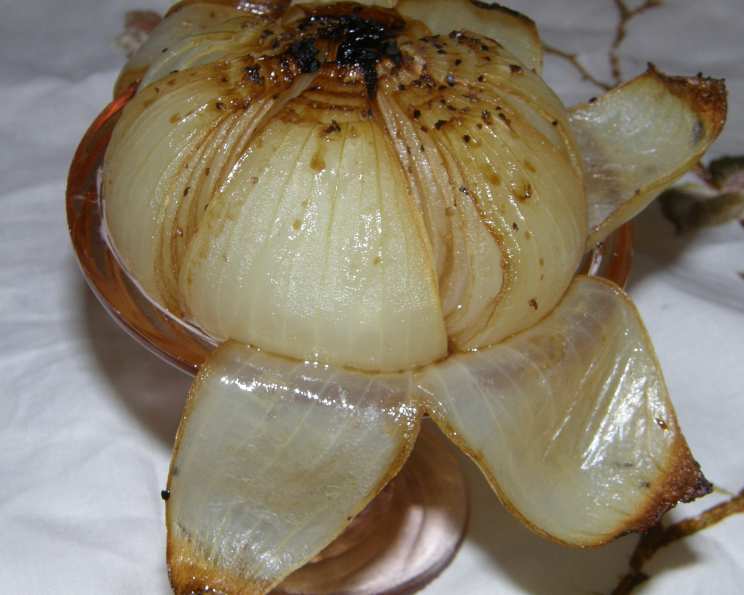
The Unassuming Brilliance of Roasted Onion Wedges
There’s a profound joy in discovering the hidden potential of the most humble ingredients. For me, that discovery often came during my early days in the kitchen, when I was tasked with creating side dishes that could stand shoulder-to-shoulder with a show-stopping roast. I remember one particular evening, the scent of rosemary and garlic wafting from the oven as a prime rib cooked to perfection. My supervisor, a seasoned chef with a twinkle in his eye, gestured towards a humble pile of onions. “Transform them,” he’d said, his voice a low rumble of encouragement. With a simple vinaigrette and a patient roast, those onions became meltingly tender, deeply caramelized jewels, a sweet and savory counterpoint that stole the show. That’s the magic of roasted onion wedges for you – simple, yet utterly transformative.
Recipe Overview
- Prep Time: 10 minutes
- Cook Time: 50 minutes
- Total Time: 60 minutes
- Servings: 4
- Yield: 1 side dish
- Dietary Type: Vegan, Gluten-Free, Dairy-Free
Ingredients
This recipe relies on the inherent sweetness of onions, amplified by a simple yet effective glaze.
- 2 large sweet onions, each cut into 6 wedges and peeled
- 2 tablespoons balsamic vinegar
- 2 tablespoons honey (or maple syrup for a vegan option)
- 1 tablespoon vegetable oil
- ¼ teaspoon salt
- ¼ teaspoon pepper
Equipment Needed
To create these delightful roasted onion wedges, you’ll need a few essential tools:
- A baking dish (a 9×13 inch pan works well)
- A small bowl for whisking the glaze
- A whisk or fork
- Aluminum foil or a lid for the baking dish
- An oven preheated to the correct temperature
Instructions
The beauty of this recipe lies in its simplicity and the patience it requires. The slow roasting process coaxes out the natural sugars in the onions, transforming them into something truly special.
- Preheat Your Oven: Begin by preheating your oven to 450°F (230°C). This high heat is crucial for achieving that initial caramelization.
- Prepare the Onions: Take your sweet onions, ensure they are peeled, and then cut each one into 6 wedges. The wedges should be substantial enough to hold their shape during roasting.
- Arrange in the Baking Dish: Place the onion wedges in your baking dish. It’s helpful if the dish is lightly coated with cooking spray to prevent sticking, though the oil in the glaze will also offer some protection. Arrange them in a single layer as much as possible to ensure even cooking.
- Create the Glaze: In your small bowl, combine the balsamic vinegar, honey (or maple syrup), vegetable oil, salt, and pepper. Whisk these ingredients together until they are well combined and form a smooth glaze.
- Coat the Onions: Drizzle the prepared glaze evenly over the onion wedges in the baking dish. Use a spoon or your hands (if you don’t mind getting a little sticky!) to gently toss and coat each wedge thoroughly. This ensures every piece will receive the full flavor infusion.
- Initial Bake (Covered): Cover the baking dish tightly with aluminum foil or a lid. This traps the steam and allows the onions to begin softening without immediately caramelizing too quickly. Place the covered dish in your preheated oven and bake for 25 minutes.
- Second Bake (Uncovered): After 25 minutes, carefully remove the aluminum foil or lid. The onions should be starting to soften. Use a spoon to baste the onions, scooping up any accumulated glaze from the bottom of the dish and drizzling it back over the tops of the wedges. This helps to further develop the flavor and browning.
- Continue Baking: Return the uncovered dish to the oven and bake for an additional 25 minutes, or until the onions are tender when pierced with a fork and have achieved a beautiful browned, caramelized exterior. The exact timing may vary slightly depending on your oven and the size of your onion wedges. Keep an eye on them during this final stage to prevent burning.
Expert Tips & Tricks
- Onion Selection: While sweet onions like Vidalia or Walla Walla are ideal for their natural sweetness, good quality yellow onions will also work, though they might benefit from a touch more honey. Avoid red onions for this recipe, as their flavor profile is quite different and can become overpowering when roasted.
- Even Wedges: Aim for uniform wedge sizes. This ensures that all the onions cook at the same rate, preventing some from becoming mushy while others remain too firm.
- Don’t Crowd the Pan: If your onions are too crowded in the baking dish, they will steam rather than roast, and you won’t achieve the desired caramelization. If you have a large amount of onions, consider using two baking dishes.
- Basting is Key: The basting step is crucial. It not only adds moisture but also concentrates the flavors of the glaze, creating a richer, more complex taste on the surface of the onions.
- Oven Variation: Ovens can be temperamental. If you find your onions are browning too quickly in the uncovered stage, you can loosely tent them with foil to slow down the process. Conversely, if they aren’t browning sufficiently, you can increase the oven temperature slightly for the last 10 minutes, watching them very closely.
Serving & Storage Suggestions
These roasted onion wedges are incredibly versatile and make a fantastic accompaniment to a wide range of main courses.
- Serving: Serve them hot, directly from the oven, as a side dish. Their sweet, savory, and slightly tangy profile complements grilled meats, roasted poultry, hearty vegetarian dishes, and even simple pasta. A sprinkle of fresh parsley or chives can add a touch of color and freshness.
- Storage: Leftover roasted onion wedges can be stored in an airtight container in the refrigerator for up to 3-4 days. They are delicious served cold, but for the best texture, reheat them gently.
- Reheating: To reheat, place the cooled leftovers in a baking dish and warm them in a 350°F (175°C) oven for 10-15 minutes, or until heated through. You can also reheat them gently in a skillet over medium-low heat, adding a splash of water or broth if they seem dry. Avoid microwaving, as this can make them mushy.
Nutritional Information
Here’s an estimated nutritional breakdown for a serving of these delicious roasted onion wedges. Please note that these are approximate values and can vary based on the exact size of the onions and the specific brands of ingredients used.
| Nutrient | Amount per Serving | % Daily Value |
|---|---|---|
| Calories | 94 kcal | 5% |
| Total Fat | 3.5 g | 4% |
| Saturated Fat | 0.5 g | 3% |
| Cholesterol | 0 mg | 0% |
| Sodium | 148 mg | 6% |
| Total Carbohydrate | 16.3 g | 6% |
| Dietary Fiber | 1.1 g | 4% |
| Total Sugars | 11.8 g | 24% |
| Protein | 0.7 g | 1% |
(Note: % Daily Value is based on a 2,000 calorie diet. Your daily values may be higher or lower depending on your calorie needs.)
Variations & Substitutions
While this recipe is classic in its simplicity, there’s always room for a little culinary creativity.
- Herbal Infusion: Add a sprig of fresh thyme or rosemary to the baking dish during the initial covered bake. Remove before serving.
- Spicy Kick: For a touch of heat, sprinkle a pinch of red pepper flakes over the onions along with the salt and pepper before glazing.
- Garlic Lover’s Dream: Add a few cloves of whole garlic (peeled) to the baking dish to roast alongside the onions. They will become sweet and spreadable.
- Maple Syrup: If you prefer a completely vegan dish or want a slightly different sweetness, substitute the honey with maple syrup.
- Vinegar Swap: While balsamic vinegar provides a rich, deep flavor, you could experiment with red wine vinegar or apple cider vinegar for a brighter, tangier profile.
FAQs
Q: Can I use yellow onions instead of sweet onions?
A: Yes, you can. Yellow onions will work, but they might be a bit sharper in flavor. You may want to increase the amount of honey slightly to compensate.
Q: My onions aren’t caramelizing. What am I doing wrong?
A: Ensure your oven is at the correct temperature (450°F / 230°C). Also, make sure you are uncovering them for the second half of the cooking time. If they are still not browning, your oven might run cooler than average, and you may need to increase the temperature slightly for the last 10-15 minutes, watching carefully.
Q: Can I prepare these ahead of time?
A: You can prepare the onion wedges and the glaze separately a day in advance and store them in the refrigerator. However, roasting is best done just before serving for optimal texture and flavor.
Q: How do I know when the onions are tender?
A: You can easily test for tenderness by piercing a wedge with the tip of a sharp knife or a fork. It should slide in with very little resistance.
Q: Are roasted onions healthy?
A: Onions are packed with nutrients and antioxidants. When roasted with minimal oil and sugar, they can be a very healthy addition to your meal, offering fiber and various vitamins.
Final Thoughts
There’s a reason why simple preparations often yield the most profound results. These roasted onion wedges are a testament to that culinary wisdom. They are a dish that requires little fuss but delivers immense flavor, proving that even the most common ingredients can be elevated to something extraordinary. So, the next time you find yourself wondering what to serve alongside your favorite entrée, remember the humble onion. With a little heat, a touch of sweetness, and a dash of patience, you’ll create a side dish that’s sure to impress. Give them a try, and I’m confident you’ll find yourself reaching for this recipe again and again.