
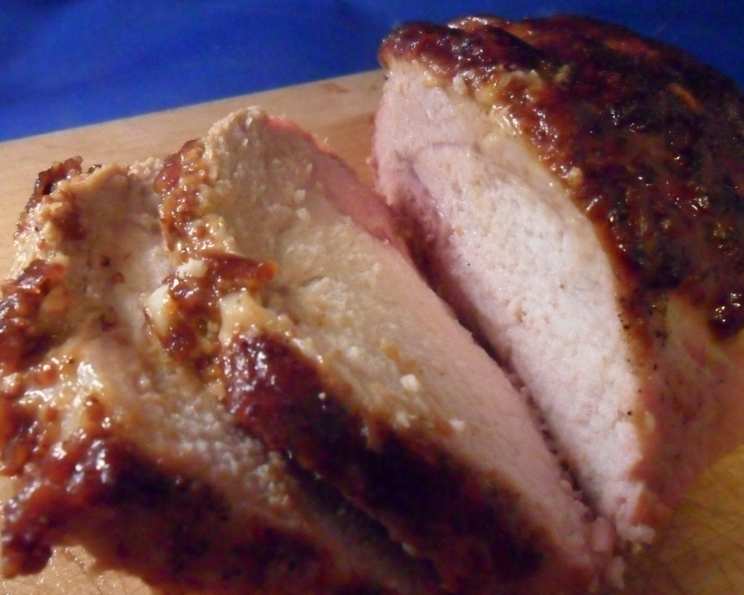
Roasted Pork Tenderloin with Apricot Mustard Glaze
There are certain dishes that, for me, evoke a sense of effortless elegance, the kind that makes you feel like you’ve pulled off something truly special without breaking a sweat. This roasted pork tenderloin, kissed with a sweet and tangy apricot mustard glaze, is precisely one of those. I remember the first time I made it, a spontaneous decision on a chilly autumn evening when I needed to impress a few friends who’d dropped by unexpectedly. The aroma that wafted from the oven – a fragrant blend of sweet fruit and savory mustard – was so inviting, it instantly transformed my kitchen into a warm, convivial haven. The tender, juicy pork, cloaked in that glistening, burnished glaze, was met with gasps of delight, and it’s been a go-to in my repertoire ever since, a testament to how simple ingredients can yield such profoundly satisfying results.
Recipe Overview
- Prep Time: 15 minutes
- Cook Time: 50-60 minutes
- Total Time: 1 hour 5 minutes – 1 hour 10 minutes
- Servings: 6
- Yield: Pork Tenderloin
- Dietary Type: Not specified (can be adapted)
Ingredients
To create this delightful dish, you will need:
- 1 1/2 lbs pork tenderloin
- 1/2 cup Smucker’s Pure Apricot Jam
- 2 tablespoons grainy mustard
- 1 tablespoon soy sauce
- 1 garlic clove, crushed
- Salt and pepper to taste
Equipment Needed
- Oven
- Baking sheet
- Foil
- Small bowl
- Whisk or fork
- Instant-read thermometer
Instructions
Creating this flavorful pork tenderloin is a straightforward process, designed for maximum impact with minimal fuss.
- Begin by preheating your oven to 375°F (190°C). This ensures the oven is at the optimal temperature to achieve a beautifully roasted exterior while keeping the inside moist and tender.
- Next, prepare your baking sheet. Place a rack over a foil-lined baking sheet. The foil lining will catch any drips, making cleanup a breeze, and the rack elevates the pork, allowing for even heat circulation and a more uniformly cooked roast.
- Now, let’s craft that irresistible glaze. In a small bowl, combine the Smucker’s Pure Apricot Jam, grainy mustard, soy sauce, and the crushed garlic clove. Use a whisk or fork to thoroughly mix these ingredients until they are well-emulsified and smooth. This amalgamation of sweet, tangy, and savory flavors is the heart of the dish.
- Take your pork tenderloin and sprinkle it generously on all sides with salt and pepper. Don’t be shy with the seasoning; it forms the foundational flavor of the pork.
- Here’s a crucial step for that perfect glaze application: Reserve about half of the glaze in a separate container. This reserved portion will be for serving later. Then, spread the remaining glaze evenly over the seasoned pork tenderloin, ensuring it’s coated on all sides.
- Bake the glazed pork tenderloin in the preheated oven for 50 to 60 minutes. The exact cooking time will depend on the thickness of your tenderloin and your oven’s calibration. The key indicator of doneness is the internal temperature: aim for the pork to reach an internal temperature of 160°F (71°C). It’s highly recommended to use an instant-read thermometer inserted into the thickest part of the tenderloin to ensure accuracy.
- Once the pork has reached the desired temperature, remove it from the oven. Tent it loosely with foil and let it rest for 10 minutes. This resting period is vital; it allows the juices to redistribute throughout the meat, resulting in a more tender and moist final product. Skipping this step can lead to dry pork.
- Finally, slice the rested pork tenderloin into medallions and serve immediately, spooning the reserved glaze over the top.
Expert Tips & Tricks
- Achieving a Perfect Sear (Optional): For an even richer flavor and beautiful crust, you can sear the pork tenderloin on all sides in a hot, oiled skillet before glazing and baking. This step adds a few minutes to your prep but significantly enhances the overall texture and depth of flavor.
- Glaze Consistency: If your apricot jam is particularly thick, you can warm it slightly before mixing it with the other glaze ingredients. This will help create a smoother, more spreadable glaze.
- Thermometer is Key: I cannot stress enough the importance of an instant-read thermometer. Pork tenderloin is a lean cut and can go from perfectly cooked to overdone very quickly. Investing in a good thermometer is an investment in perfectly cooked meats every single time.
- Foil Choice: Ensure your foil is heavy-duty to prevent tearing during the baking and resting process.
Serving & Storage Suggestions
This Roasted Pork Tenderloin with Apricot Mustard Glaze is a star on its own, but it pairs wonderfully with a variety of side dishes. Consider serving it with creamy mashed potatoes, roasted root vegetables like carrots and parsnips, or a fresh green salad for a balanced meal. A simple rice pilaf also complements its flavors beautifully.
Storage: Leftovers can be refrigerated in an airtight container for up to 3 days. To reheat, gently warm the sliced pork in a skillet over low heat with a splash of water or broth, or microwave it briefly, being careful not to overcook.
Nutritional Information
While precise nutritional values can vary based on specific ingredient brands and preparation nuances, here is an estimated breakdown per serving (assuming 6 servings):
| Nutrient | Amount per Serving | % Daily Value |
|---|---|---|
| Calories | 385.4 kcal | |
| Calories from Fat | 130 g | |
| Total Fat | 14.5 g | 22 % |
| Saturated Fat | 2.1 g | 10 % |
| Cholesterol | 82.1 mg | 27 % |
| Sodium | 3070.1 mg | 127 % |
| Total Carbohydrate | 30.8 g | 10 % |
| Dietary Fiber | 8.3 g | 33 % |
| Sugars | 13.8 g | 55 % |
| Protein | 37.5 g | 74 % |
(Note: Sodium content is high due to soy sauce. For a lower-sodium option, consider using reduced-sodium soy sauce.)
Variations & Substitutions
- Spicy Kick: For those who enjoy a bit of heat, add a pinch of red pepper flakes to the glaze mixture, or substitute the grainy mustard with a spicy brown mustard.
- Herbal Infusion: Fresh or dried herbs like rosemary or thyme can be finely chopped and added to the glaze for an aromatic twist.
- Citrus Brightness: A squeeze of fresh orange juice or a teaspoon of orange zest can be incorporated into the glaze to add a bright, complementary citrus note.
- Fruity Alternatives: If apricot jam isn’t available, other stone fruit jams like peach or plum can be used, though they will impart a slightly different flavor profile.
FAQs (Frequently Asked Questions)
Q: Can I make the glaze ahead of time?
A: Absolutely! The glaze can be prepared a day in advance and stored in an airtight container in the refrigerator. Simply bring it to room temperature or gently warm it before applying it to the pork.
Q: My pork tenderloin is much thicker than expected. How will this affect the cooking time?
A: A thicker tenderloin will require a longer cooking time. Always rely on the internal temperature of 160°F (71°C) rather than just the clock. It’s better to check the temperature a few times in the final 20 minutes of cooking.
Q: What if I don’t have a wire rack?
A: If you don’t have a wire rack, you can carefully arrange thick-cut slices of onion or potato on the foil-lined baking sheet to elevate the pork. This will still promote air circulation.
Q: Is it okay to overcook the pork tenderloin slightly?
A: Pork tenderloin is very lean and can become dry and tough if overcooked. It’s best to pull it from the oven once it reaches the target internal temperature, as it will continue to cook slightly as it rests.
Q: How can I make this dish gluten-free?
A: To make this gluten-free, ensure you use a gluten-free soy sauce (like tamari) and check that your apricot jam and mustard do not contain any gluten-containing ingredients.
Final Thoughts
This Roasted Pork Tenderloin with Apricot Mustard Glaze is a testament to the beauty of simple, honest cooking. It’s a dish that feels both comforting and celebratory, perfect for a weeknight family meal or a more formal gathering. The sweet and savory notes of the glaze create a harmonious balance that enhances the natural flavor of the pork without overpowering it. I encourage you to give this recipe a try; I’m confident it will become a beloved staple in your culinary repertoire, just as it has in mine. Serve it with your favorite seasonal sides and a glass of robust red wine for a truly memorable dining experience. I’d love to hear how it turns out for you!