
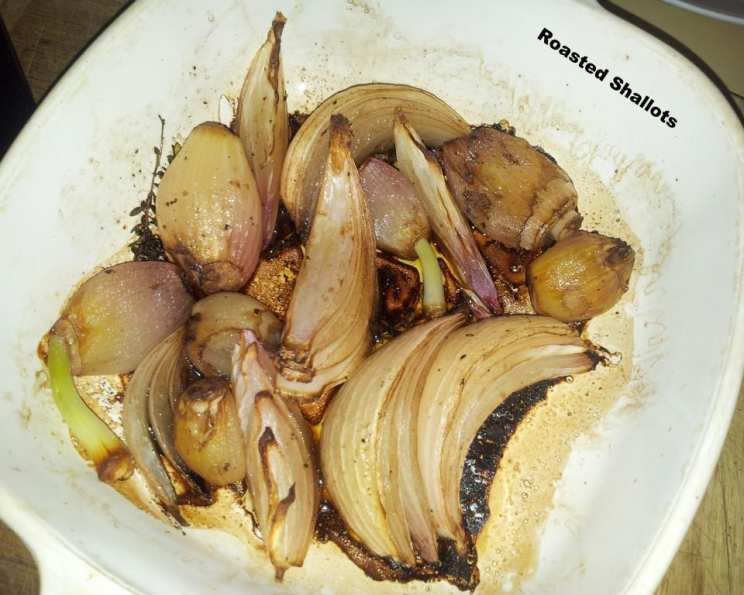
The Sweet Revelation of Roasted Shallots
There are those ingredients that, once mastered, become foundational in your culinary repertoire. For me, roasted shallots are precisely that. I recall the first time I truly understood their magic. It was years ago, a chilly autumn evening, and I was tasked with creating a simple yet elegant side dish for a dinner party. I’d been experimenting with techniques from an old cookbook, and the idea of roasting shallots, something I’d previously only seen minced in sauces, struck me as profoundly simple and potentially transformative. The aroma that began to fill my kitchen as they slowly caramelized was intoxicating – a delicate balance of sweet, pungent, and earthy notes that promised something extraordinary. When I finally tasted them, plump and tender with that rich, concentrated sweetness, it was a revelation. They weren’t just an ingredient; they were the star, a testament to how humble produce, treated with a little heat and patience, can become something utterly sublime.
Recipe Overview
- Prep Time: 20 minutes
- Cook Time: 35 minutes
- Total Time: 55 minutes
- Servings: 4
- Yield: 1 pound roasted shallots
- Dietary Type: Vegan, Gluten-Free, Dairy-Free
Ingredients
- 1 pound shallots
- 2 tablespoons olive oil
- 2 tablespoons balsamic vinegar
- Kosher salt, to taste
- Freshly ground black pepper, to taste
- 6 fresh thyme sprigs
Equipment Needed
- Small baking sheet
- Aluminum foil
- Rubber spatula or hands
Instructions
- Begin by preheating your oven to a steady 400°F (200°C). This moderate heat is crucial for coaxing out the natural sugars of the shallots without scorching them.
- Prepare your shallots by carefully cutting off both ends. Then, peel them. If you find the skins are clinging stubbornly, a small, shallow cut along the length of each shallot will make peeling much easier. The goal is to get them clean and ready for roasting.
- Arrange the peeled shallots in a single layer on a small baking sheet. Drizzle them lightly with olive oil. You want just enough to coat them, encouraging even browning.
- Next, pour the balsamic vinegar over the shallots. Follow this with a good pinch of kosher salt and a few grinds of fresh black pepper. The salt will help to draw out moisture and intensify flavors, while the pepper adds a subtle warmth.
- Using a rubber spatula or your hands, mix everything well to ensure each shallot is evenly coated with the olive oil, balsamic vinegar, salt, and pepper. This coating is key to developing their delicious caramelized exterior.
- Lay down the fresh thyme sprigs amongst the shallots. The thyme will infuse the shallots with its aromatic, earthy notes as they roast.
- Cover the baking sheet tightly with aluminum foil. This initial covering steams the shallots, helping them to soften and become tender before the final browning stage. Bake for 20 minutes.
- After 20 minutes, remove the aluminum foil. This is when the magic of caramelization truly begins. Continue to bake for another 15 minutes, or until the shallots are deeply golden brown, tender, and beautifully caramelized. Keep an eye on them during this final stage to prevent burning.
- Once roasted to perfection, remove the baking sheet from the oven. Carefully discard the thyme sprigs, as they have done their job of infusing flavor.
- Allow the roasted shallots to cool slightly on the baking sheet before serving. They are delicious served warm.
Expert Tips & Tricks
The beauty of roasted shallots lies in their simplicity, but a few nuances can elevate them further. When selecting your shallots, look for firm bulbs that feel heavy for their size. Avoid any that are soft, bruised, or have started to sprout. The size of the shallots can influence cooking time; smaller ones will cook faster than larger ones. If you have a mix of sizes, consider cutting the larger ones in half or quarters to ensure they all cook evenly.
For an even deeper flavor, you can add a splash of red wine or a touch of honey along with the balsamic vinegar. This introduces another layer of complexity. If you’re a fan of herbs, feel free to experiment with other complementary aromatics like rosemary or sage alongside the thyme.
Make-ahead is certainly an option for roasted shallots. You can roast them completely, let them cool, and store them in an airtight container in the refrigerator for up to 3-4 days. To reheat, simply warm them gently in a skillet with a little extra olive oil or a splash of water, or briefly in a low oven. They are also wonderful served at room temperature, making them a versatile addition to potlucks or catered events.
Serving & Storage Suggestions
Roasted shallots are incredibly versatile. Their sweet, savory, and slightly tangy profile makes them a fantastic accompaniment to a wide range of dishes. Serve them alongside grilled steaks, roasted chicken, pan-seared fish, or pork tenderloin. They are also a superb addition to salads, grain bowls, or even as a topping for crostini spread with goat cheese or ricotta. Their concentrated flavor can also add depth to mashed potatoes, risotto, or a simple pasta dish.
Leftover roasted shallots can be stored in an airtight container in the refrigerator for up to 3-4 days. They are best reheated gently to maintain their texture. You can place them in a small skillet with a teaspoon of olive oil over low heat, stirring occasionally, until warmed through. Alternatively, a brief stint in a moderate oven (around 300°F/150°C) for 5-10 minutes will also do the trick. Avoid microwaving if possible, as it can sometimes make them mushy.
Nutritional Information
| Nutrient | Amount per Serving (approx.) | % Daily Value |
|---|---|---|
| Calories | 88.8 kcal | |
| Calories from Fat | (not specified) | |
| Total Fat | 0.1 g | 0% |
| Saturated Fat | 0 g | 0% |
| Cholesterol | 0 mg | 0% |
| Sodium | 15.5 mg | 0% |
| Total Carbohydrate | 20.4 g | 6% |
| Dietary Fiber | 0 g | 0% |
| Sugars | 1.2 g | 4% |
| Protein | 2.9 g | 5% |
Note: Nutritional values are estimates and can vary based on ingredient size and specific brands used.
Variations & Substitutions
While the classic roasted shallot recipe is hard to beat, there are delightful ways to tailor it to your palate or pantry. For a richer, more complex sweetness, consider adding a tablespoon of maple syrup or honey to the balsamic vinegar mixture. A pinch of red pepper flakes can introduce a subtle heat, perfect for those who enjoy a little spice.
If balsamic vinegar isn’t your preference, red wine vinegar or even apple cider vinegar can offer a different, yet equally delicious, tang. For a smoky note, a dash of smoked paprika sprinkled over the shallots before roasting can be a wonderful addition.
FAQs
Q: Why do I need to cut off both ends of the shallots?
A: Cutting off both ends helps to loosen the skin, making it easier to peel them cleanly without damaging the delicate layers underneath.
Q: What does “caramelized” mean in this context?
A: Caramelization refers to the browning of sugars in the shallots, which occurs when they are heated. This process creates a deeply sweet, rich, and slightly nutty flavor.
Q: Can I use pearl onions instead of shallots?
A: Yes, pearl onions can be used as a substitute, though they may require a slightly longer roasting time due to their denser structure. Ensure they are peeled before roasting.
Q: My shallots didn’t get very brown. What did I do wrong?
A: This could be due to the oven temperature being too low, insufficient cooking time, or the shallots being too crowded on the baking sheet. Ensure your oven is accurately calibrated and give them ample space for heat circulation.
Q: How can I make this dish spicier?
A: Add a pinch of red pepper flakes along with the salt and pepper before roasting, or a small amount of finely chopped fresh chili pepper.
Final Thoughts
The humble shallot, often relegated to a supporting role, truly shines when treated to the simple alchemy of roasting. It’s a technique that unlocks an unparalleled sweetness and depth, transforming an everyday ingredient into something truly special. I encourage you to embrace this recipe, not just as a side dish, but as a gateway to appreciating the profound flavors that can be coaxed from the simplest of ingredients. Serve these golden gems alongside your favorite proteins, toss them into a vibrant salad, or simply savor them on their own – they are a testament to the delicious rewards of patience and a little heat. Enjoy!