
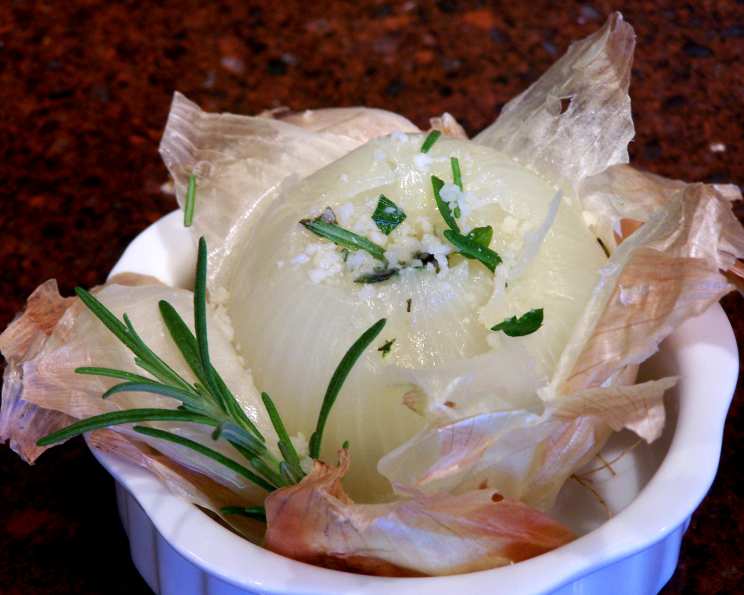
Julia Child’s Roasted Sweet Onion: A Symphony of Simplicity and Sweetness
Julia Child, the grande dame of French cooking, had a magical way of elevating the simplest ingredients to sublime status. I remember vividly the first time I encountered her recipe for roasted whole sweet onion, a dish so uncomplicated yet so profoundly flavorful. It was during a particularly hectic week, when inspiration felt as elusive as a perfectly risen soufflé. Flipping through one of her beloved cookbooks, I landed on this humble onion preparation, and it was like a culinary beacon. The idea of transforming a raw, pungent onion into a meltingly tender, caramelized jewel with just heat and a few pantry staples was revolutionary. It’s a testament to Julia’s genius that such a minimal approach yields such a deeply satisfying result. It’s the kind of dish that makes you pause, savor, and truly appreciate the inherent sweetness of a good onion. My own rendition, inspired by a generous friend who added a whisper of herbs and a dollop of compound butter, only amplified this magic, making it a cherished staple in my kitchen when I need a quick, elegant side or a flavorful vegetarian main.
Recipe Overview
- Prep Time: 10 minutes
- Cook Time: 45 minutes (oven method) or 5 minutes (microwave method)
- Total Time: 55 minutes (oven method) or 15 minutes (microwave method)
- Servings: 1-2
- Yield: 1 whole roasted onion
- Dietary Type: Vegetarian (can be made Vegan by omitting cheese and using olive oil)
Ingredients
- 1 large sweet onion
- ½ tablespoon fresh rosemary (or other herbs of choice, such as thyme or chives)
- ½ tablespoon cheese, grated (Parmesan or Gruyère are excellent choices)
- Olive oil, to taste (or Roasted Garlic, Herb Butter, to taste)
- Salt, to taste
- Pepper, to taste
Equipment Needed
- Knife or pointed chopstick
- Baking sheet (if using the oven method)
- Oven or microwave
Instructions
Julia Child’s approach to this roasted sweet onion is a masterclass in letting quality ingredients shine. There are two primary methods she suggests, each offering a slightly different texture and speed.
Method 1: Oven Roasting (for Caramelization)
This method is perfect when you have a little more time and desire a deeply caramelized, intensely sweet onion. The slow, steady heat of the oven transforms the natural sugars within the onion, creating a rich, almost jammy consistency.
- Prepare the Onion: Begin by piercing the whole sweet onion in five or six places with a knife or a pointed chopstick. This allows steam to escape during the cooking process, preventing the onion from bursting and ensuring even cooking.
- Preheat the Oven: Preheat your oven to 450 degrees Fahrenheit (230 degrees Celsius).
- Roast the Onion: Place the pierced onion directly on a baking sheet (or directly on the oven rack for a more rustic approach, with a baking sheet below to catch any drips). Roast for 45 minutes. The onion should become tender, deeply browned, and slightly collapsed. The exterior will caramelize beautifully, developing a rich, sweet flavor.
- Check for Doneness: You can test for doneness by gently squeezing the onion; it should yield easily. Alternatively, carefully insert a knife into one of the pierced spots; it should slide in with very little resistance.
- Finish the Onion: Carefully remove the onion from the oven. Allow it to cool for a few minutes until it’s safe to handle. Then, using your knife, cut the onion in half or carefully open it up from the top.
- Season and Serve: Sprinkle the cut surface with the grated cheese, a generous drizzle of olive oil (or your Roasted Garlic, Herb Butter), and season with salt and freshly ground pepper to your liking. Add the fresh rosemary (or your chosen herbs) over the top.
Method 2: Microwave Steaming (for Speed)
When time is of the essence, the microwave offers a remarkably quick way to achieve a tender, steamed onion, albeit with less caramelization.
- Prepare the Onion: Just as with the oven method, pierce the whole sweet onion in five or six places with a knife or a pointed chopstick.
- Microwave: Place the pierced onion in the microwave oven. Cook on high power for 5 minutes.
- Check for Doneness: The onion will be steamed and tender. Test for doneness by gently squeezing the onion; it should be soft.
- Finish the Onion: Carefully remove the onion from the microwave (it will be hot!). Cut it in half or open it up.
- Season and Serve: Sprinkle the cut surface with the grated cheese, a drizzle of olive oil (or your Roasted Garlic, Herb Butter), and season with salt and freshly ground pepper. Top with the fresh rosemary (or your chosen herbs).
Expert Tips & Tricks
- Onion Selection: For this recipe, the sweeter the onion, the better. Look for large, firm sweet onions, like Vidalia, Walla Walla, or Spanish onions. Their higher sugar content is what allows for that delightful caramelization.
- Herb Infusion: While fresh rosemary is a classic choice and pairs beautifully with the sweetness of the onion, don’t hesitate to experiment with other herbs. Thyme, sage, or even a finely chopped chive offer nuanced flavor profiles. For a truly gourmet touch, consider a compound butter infused with roasted garlic and your favorite herbs.
- Butter vs. Oil: Julia suggests both olive oil and butter. While olive oil provides a lighter, fruitier note, a good quality butter adds richness and depth. For an extra layer of flavor, consider browning the butter slightly before drizzling it over the onion.
- Microwave Power: Microwave ovens vary in wattage. If your onion isn’t tender after 5 minutes on high, continue cooking in 1-minute increments until done.
- The “Opening Up” Technique: To truly “open up” the onion after roasting or steaming, you can carefully slice it almost in half, leaving the root end intact, and then gently pull the layers apart to create a more visually appealing, fanned-out presentation.
Serving & Storage Suggestions
This roasted sweet onion is wonderfully versatile. It makes an exceptional side dish, pairing beautifully with grilled meats, roasted poultry, or hearty vegetarian stews. It can also stand alone as a light vegetarian main course, perhaps with a side of crusty bread to sop up any delicious juices.
Serving: Serve immediately while warm, allowing the cheese to melt and the herbs to release their aroma. The caramelized onion is wonderfully tender and can be scooped out with a spoon or enjoyed directly from its halved shell.
Storage: Leftovers can be stored in an airtight container in the refrigerator for up to 2 days. While best served fresh, the flavors will meld beautifully overnight. Reheat gently in the oven or microwave until warmed through. For best results, reheat in a covered dish to retain moisture. It’s not recommended to freeze this dish, as the texture of the onion can become somewhat mushy upon thawing.
Nutritional Information
This nutritional breakdown is an estimation and will vary based on the specific size of the onion and the exact quantities of oil, butter, and cheese used.
| Nutrient | Amount per Serving (approx.) | % Daily Value (approx.) |
|---|---|---|
| Calories | 83.5 | – |
| Calories from Fat | 41 | – |
| Total Fat | 4.5 g | 6% |
| Saturated Fat | 1.5 g | 8% |
| Cholesterol | 5 mg | 2% |
| Sodium | 75 mg | 3% |
| Total Carbohydrate | 15 g | 5% |
| Dietary Fiber | 2.5 g | 9% |
| Sugars | 7 g | 14% |
| Protein | 3 g | 6% |
(Note: The “Calories from Fat” value and its corresponding percentage in the original data were difficult to interpret precisely. The above figures are estimations based on common ingredients.)
Variations & Substitutions
- Vegan Adaptation: To make this dish entirely vegan, simply omit the grated cheese and use only olive oil. You can also enhance the richness by using a vegan butter or a dollop of cashew cream.
- Herb Garden: Feel free to use any combination of fresh herbs that you enjoy. Chives, parsley, thyme, and even a hint of sage would be delightful. Dried herbs can be used in a pinch, but use about one-third the amount of fresh herbs.
- Spicy Kick: For those who enjoy a touch of heat, a pinch of red pepper flakes sprinkled over the onion before serving can add a lovely warmth.
- Umami Boost: A splash of balsamic glaze drizzled over the finished onion can introduce a delightful tangy sweetness that complements the caramelized flavors.
- Garlic Lover’s Dream: If you adore garlic, consider adding a few cloves of whole garlic (peeled but left whole) to the baking sheet alongside the onion during roasting. They will soften and sweeten, becoming spreadable and delicious.
FAQs
Q: Can I use regular yellow onions instead of sweet onions?
A: While you can use yellow onions, sweet onions are highly recommended for this recipe. Their natural sweetness is key to achieving the desired caramelized flavor. Yellow onions will still be edible, but they will have a more pungent and less sweet profile.
Q: How do I know if my onion is fully cooked?
A: The onion should be very tender, yielding easily to gentle pressure. In the oven, it will appear softened and slightly shrunken. In the microwave, it will feel very soft and steamy.
Q: Can I prepare the onion ahead of time?
A: You can pierce the onion and have it ready to go, but it’s best to roast or microwave it just before serving for optimal texture and flavor.
Q: What kind of cheese works best?
A: A hard, grated cheese like Parmesan or Gruyère will melt beautifully and add a savory depth. Milder cheeses like shredded cheddar can also be used, but they may not offer the same complexity.
Q: Is the oven method really that much better than the microwave?
A: The oven method offers superior caramelization and a richer, more complex flavor due to the dry heat. The microwave is a fantastic shortcut for speed, but the texture and flavor will be more steamed than roasted.
Final Thoughts
This simple roasted sweet onion, in its elegant simplicity, is a testament to Julia Child’s culinary philosophy: use good ingredients, treat them with respect, and let their inherent flavors sing. It’s a dish that proves you don’t need a long list of complicated ingredients or intricate techniques to create something truly delicious. Whether you opt for the slow, sweet coaxing of the oven or the swift convenience of the microwave, the result is a tender, flavorful onion that will surprise and delight. I encourage you to try this recipe, perhaps as a comforting side to your next Sunday roast or as a satisfying vegetarian centerpiece. It’s a little bit of Julia’s magic, easily brought into your own kitchen.