
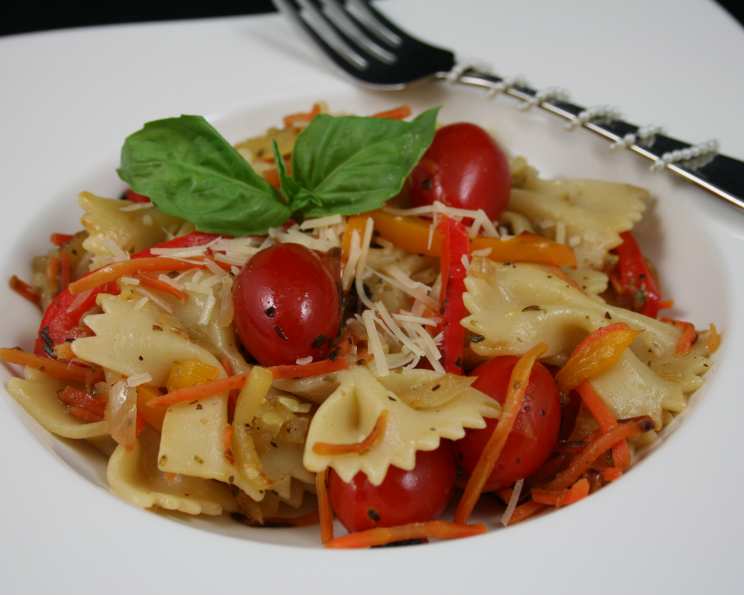
Roasted Vegetable Pasta Primavera: A Symphony of Summer Flavors
The aroma of roasting vegetables, kissed by the heat of the oven, is one of my absolute favorite culinary memories. It’s a scent that instantly transports me back to a bustling kitchen, filled with the joyful chatter of my daughter’s charter school cooking class. We were on a culinary “trip” to Italy, and this Pasta Primavera was one of the vibrant dishes we recreated, a true celebration of fresh, seasonal produce. Seeing the students, many of whom had never wielded a knife before, carefully prepping their vibrant vegetables and proudly presenting their finished bowls, filled me with immense satisfaction. It’s a dish that embodies simple elegance and the pure joy of cooking, a testament to how delicious food can be when you let the ingredients shine.
Recipe Overview
- Prep Time: 20 minutes
- Cook Time: 20 minutes
- Total Time: 40 minutes
- Servings: 6
- Yield: Approximately 6 servings
- Dietary Type: Vegetarian
Ingredients
This vibrant dish celebrates the bounty of fresh vegetables, and the simplicity of the ingredients allows each one to sing.
- 3 carrots, peeled and cut into thin strips
- 2 medium zucchini, washed and cut into thin strips
- 2 yellow squash, washed and cut into thin strips
- 1 small onion, thinly sliced
- 1 yellow bell pepper, cut into thin strips
- 1 red bell pepper, cut into thin strips
- 1/4 cup olive oil
- Salt, to taste
- Black pepper, to taste
- 1 tablespoon mixed Italian herbs (or use herbes de Provence)
- 1 lb farfalle pasta (bowtie pasta)
- 15 cherry tomatoes, halved
- 1/2 cup Parmesan cheese, grated
Equipment Needed
- Roasting pan or baking sheet
- Large pot
- Colander
- Large bowl
Instructions
The beauty of this Pasta Primavera lies in its straightforward preparation. We’ll harness the power of roasting to deepen the flavors of the vegetables, creating a delightful sweetness that complements the al dente pasta.
- Begin by preheating your oven to 450 degrees F (230 degrees C). This high heat is crucial for achieving beautifully tender and slightly caramelized roasted vegetables.
- In a roasting pan, or a large baking sheet if a roasting pan isn’t available, combine all the prepared vegetables: the carrots, zucchini, yellow squash, onion, yellow bell pepper, and red bell pepper.
- Drizzle the olive oil generously over the vegetables. Season them liberally with salt and black pepper to your liking. Sprinkle the mixed Italian herbs over the top, ensuring an even distribution.
- Using your hands or a large spoon, toss all the vegetables thoroughly to ensure they are well-coated with the oil, salt, pepper, and herbs. This step is key to achieving even cooking and flavor development.
- Place the roasting pan into the preheated oven. Bake the vegetables for approximately 20 minutes.
- Crucially, stir the vegetables after the first 10 minutes of roasting. This ensures that all sides of the vegetables get a chance to brown and soften, preventing any from sticking or burning on one side.
- While the vegetables are roasting, turn your attention to the pasta. Bring a large pot of generously salted water to a rolling boil. Add the farfalle pasta (bowtie pasta) and cook according to package directions until al dente. For most farfalle, this will be about 8 minutes, but always check for your specific brand.
- Before draining the pasta, carefully remove about 1 cup of the pasta cooking liquid from the pot and set it aside. This starchy liquid is a secret weapon for bringing the sauce together.
- Drain the pasta thoroughly in a colander.
- Once the vegetables are roasted to your desired tenderness (they should be tender but still have a slight bite), carefully remove them from the oven.
- In a large bowl, combine the drained pasta with the roasted vegetable mixture.
- Gently toss in the halved cherry tomatoes.
- Now, add just enough of the reserved pasta cooking liquid to the bowl to moisten everything. You want the pasta and vegetables to be coated in a light, glossy sauce, not swimming in liquid. Start with a smaller amount and add more as needed.
- Season the pasta with additional salt and pepper to taste, if necessary.
- Finally, sprinkle with the grated Parmesan cheese and serve immediately. The residual heat will help the cheese melt slightly and coat the pasta beautifully.
Expert Tips & Tricks
To elevate your Roasted Vegetable Pasta Primavera from good to exceptional, consider these chef-approved techniques:
- Vegetable Uniformity: Cutting your vegetables into similar-sized strips ensures they cook evenly. This means no overcooked squash and undercooked carrots.
- Don’t Crowd the Pan: If you’re doubling this recipe or using a smaller oven, consider using two baking sheets. Overcrowding a pan will steam the vegetables rather than roast them, leading to a less desirable texture.
- Herbs Galore: While dried Italian herbs are wonderful, if you have fresh basil, parsley, or thyme on hand, a generous sprinkle of fresh herbs tossed in at the very end will add an extra burst of freshness.
- The Magic of Pasta Water: That reserved pasta water is liquid gold! It’s not just water; it’s infused with starch, which helps to emulsify the olive oil and create a beautiful, cohesive sauce that clings to the pasta and vegetables.
- Cheese with a Kick: For a bit of zest, consider adding a pinch of red pepper flakes to the vegetables before roasting, or stir in a tablespoon of lemon zest with the Parmesan at the end.
Serving & Storage Suggestions
This Pasta Primavera is best enjoyed fresh, capturing the vibrant flavors and textures at their peak. Serve it piping hot, perhaps with an extra sprinkle of Parmesan cheese at the table.
Leftovers can be stored in an airtight container in the refrigerator for up to 3 days. To reheat, you can gently warm it in a skillet over medium-low heat, adding a splash of water or olive oil to help loosen things up. Alternatively, you can microwave it, but be mindful of overcooking the pasta. It’s not recommended to freeze this dish, as the texture of the vegetables can become a bit mushy upon thawing.
Nutritional Information
Here’s an estimated breakdown of the nutritional content per serving:
| Nutrient | Amount per Serving | % Daily Value |
|---|---|---|
| Calories | 459 kcal | 18% |
| Total Fat | 13.2 g | 20% |
| Saturated Fat | 3 g | 15% |
| Cholesterol | 7.3 mg | 2% |
| Sodium | 167.7 mg | 6% |
| Total Carbohydrate | 70 g | 23% |
| Dietary Fiber | 6 g | 24% |
| Sugars | 9.3 g | 37% |
| Protein | 16 g | 31% |
Note: Nutritional values are estimates and can vary based on specific ingredients and portion sizes.
Variations & Substitutions
The beauty of Pasta Primavera is its adaptability. Feel free to experiment with your favorite seasonal vegetables!
- Asparagus and Peas: In the spring, blanched asparagus spears and fresh peas are wonderful additions.
- Broccolini and Mushrooms: For a heartier version, consider roasted broccolini florets and sliced mushrooms.
- Gluten-Free: Simply swap the farfalle for your favorite gluten-free pasta shape.
- Dairy-Free: Omit the Parmesan cheese or substitute with a nutritional yeast-based “Parmesan” for a cheesy flavor.
FAQs
Q: Can I prepare the vegetables ahead of time?
A: Yes, you can chop the vegetables a day in advance and store them in an airtight container in the refrigerator. Toss them with oil and seasonings just before roasting.
Q: My oven seems to cook hotter or cooler than recipes suggest. How can I adjust?
A: It’s always a good idea to get to know your oven. Use an oven thermometer for accuracy and adjust cooking times accordingly. Keep an eye on the vegetables; they should be tender-crisp, not mushy or burnt.
Q: What if I don’t have farfalle pasta?
A: Any short pasta shape will work beautifully here. Penne, rotini, or fusilli are excellent choices.
Q: Can I add protein to this dish?
A: Absolutely! Grilled chicken breast, shrimp, or even pan-fried tofu would be delicious additions. Add them towards the end of the cooking process or serve them alongside.
Q: My sauce seems a bit dry. What can I do?
A: Don’t be afraid to add a little more of the reserved pasta cooking liquid, a tablespoon at a time, until you reach your desired consistency.
Final Thoughts
This Roasted Vegetable Pasta Primavera is more than just a recipe; it’s an invitation to celebrate the simple pleasures of fresh, seasonal food. It’s a dish that’s perfect for a busy weeknight yet elegant enough for company. I encourage you to gather your favorite vegetables, get your hands a little messy, and experience the joy of creating something truly delicious. Share it with loved ones, and don’t forget to let me know how your culinary adventure turns out!