
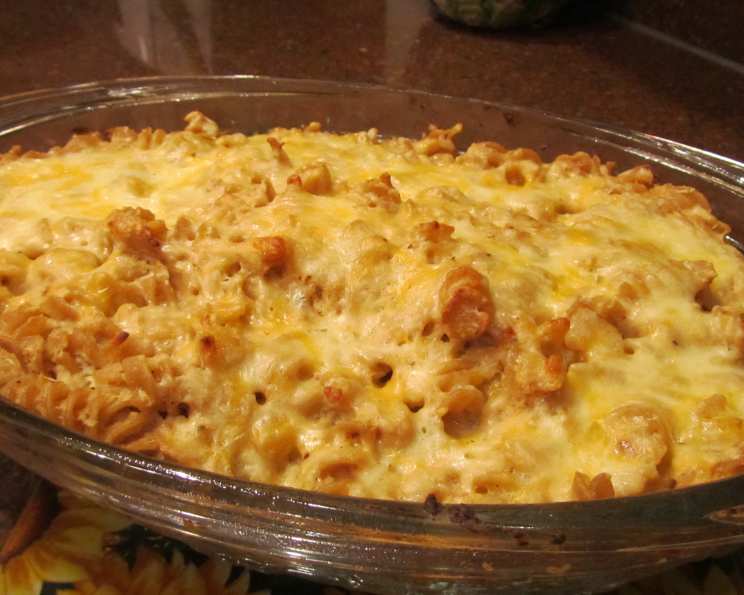
Roasted Vegetable Puree Mac and Cheese: A Healthier Hug in a Casserole Dish
There’s a certain magic that happens when comfort food gets a thoughtful makeover. I remember a drizzly Tuesday, staring into the fridge with a hankering for something undeniably cozy, but also knowing my body craved something a little more nourishing. That’s when the idea for this Roasted Vegetable Puree Mac and Cheese truly bloomed. It’s a dish that whispers of childhood memories, of bubbling cheese and tender pasta, but it sings with the vibrant earthiness of roasted vegetables, transforming a classic indulgence into something remarkably wholesome. This isn’t just a recipe; it’s an embrace on a plate, a testament to how delicious and satisfying healthier eating can be.
Recipe Overview
- Prep Time: 30 minutes
- Cook Time: 55 minutes
- Total Time: 1 hour 25 minutes
- Servings: 4-6
- Yield: 1 Casserole Dish
- Dietary Type: Vegetarian (adaptable to Vegan)
Ingredients
This dish is built on a foundation of simple, wholesome ingredients, elevated by the magic of roasting. The true genius here lies in how the vegetables become the creamy, flavorful backbone of the sauce, making it lighter and more nutrient-dense without sacrificing that beloved mac and cheese character.
For the Vegetable Puree
- 5 small kohlrabi, peeled and diced
- 2 medium onions, quartered
- 1 teaspoon oil (such as olive oil or vegetable oil)
For the Sauce
- 3/4 cup soymilk (or other unsweetened non-dairy milk like almond or oat milk)
- 1/2 cup water (ideally, use the reserved cooking water from the pasta; it helps with binding)
- 1/4 teaspoon dried sage
- 1/4 teaspoon dried rosemary
- 1/4 teaspoon garlic powder
- 1/4 teaspoon paprika
- 1/8 teaspoon black pepper
- 1 pinch cayenne pepper (optional, for a touch of warmth)
- Salt, to taste (start with about 1/8 teaspoon, adjust as needed)
Additional Ingredients
- 200 g whole wheat pasta, cooked al dente and drained (fusilli is a fantastic choice for holding the sauce, but elbow macaroni or penne work beautifully too)
- 50 g cheese, grated (a smoky cheese like smoked gouda or a sharp cheddar pairs wonderfully, but feel free to experiment with your favorite)
Equipment Needed
To bring this dish to life, you’ll want a few key tools:
- Baking Sheet: For roasting the vegetables.
- Paper Towels: To line the baking sheet.
- Large Bowl: For tossing vegetables and later combining the sauce ingredients.
- Immersion Blender (Handheld Blender) or Food Processor: Essential for creating a smooth vegetable puree.
- Large Pot: For cooking the pasta.
- Casserole Dish: For baking the mac and cheese.
Instructions
The process is straightforward, weaving together the rich flavors of roasted vegetables with the comforting familiarity of mac and cheese. The key is allowing the vegetables to caramelize properly, which unlocks their natural sweetness and depth.
-
Prepare the Roasted Vegetables: Begin by preheating your oven to 190°C (375°F). While the oven heats, take your diced kohlrabi and quartered onions, toss them together with the 1 teaspoon of oil in your large bowl. Spread this mixture in a single layer on a paper-lined baking sheet. This step ensures even cooking and prevents sticking. Roast in the preheated oven for 30 minutes, or until the vegetables are tender and nicely browned around the edges. This caramelization is crucial for developing the rich flavor base of our sauce.
-
Create the Vegetable Puree: Once the roasted vegetables are out of the oven and have cooled slightly, transfer them back into the large bowl. Add the soymilk, the reserved pasta water (don’t discard that starchy liquid – it’s a flavor and texture booster!), the dried sage, dried rosemary, garlic powder, paprika, black pepper, cayenne pepper (if using), and a good pinch of salt. Now comes the transformation: using your immersion blender or a food processor, puree the mixture until it is completely smooth. You’re aiming for a consistency that resembles thick yogurt. Taste and adjust the seasoning with more salt or pepper if needed. The goal is a creamy, well-seasoned sauce base.
-
Combine and Assemble: In a separate large pot (or the one you used for the pasta, after draining), combine the cooked al dente whole wheat pasta with the vegetable puree sauce. Stir gently to ensure every strand and piece of pasta is coated in the luscious sauce.
-
Transfer and Top: Spoon the pasta and sauce mixture into your chosen casserole dish. Spread it out evenly. Now, sprinkle the 50 g of grated cheese generously over the top. This cheesy crown will melt and brown beautifully in the oven, providing that classic mac and cheese crust.
-
Bake to Perfection: Place the casserole dish back into the preheated oven, still at 190°C (375°F). Bake for 25 minutes, or until the cheese is melted, bubbly, and has achieved a lovely golden-brown hue. You’re looking for those delightful pockets of crispiness around the edges.
-
Rest and Serve: Once out of the oven, let the Roasted Vegetable Puree Mac and Cheese rest for a few minutes before serving. This allows the sauce to set slightly, making it easier to serve and ensuring a perfect texture.
Expert Tips & Tricks
- Roasting is Key: Don’t be tempted to skimp on the roasting time for the vegetables. The deeper they caramelize, the richer and more complex your sauce will be. If your oven runs hot, you might need to lower the temperature slightly or keep a closer eye on them to prevent burning.
- Pasta Water Magic: Seriously, do not skip saving your pasta water! The starch released from the pasta into the water acts as a natural emulsifier and thickener, helping your sauce bind beautifully and achieve that signature creamy texture without relying on heavy dairy.
- Consistency Control: If your puree seems too thick, add a tablespoon or two more of soymilk or reserved pasta water until you reach the desired yogurt-like consistency. If it’s too thin, you can simmer it gently for a few minutes to reduce, or add a touch more cheese to the sauce before combining with the pasta.
- Cheese Choice Matters: For an extra layer of flavor, consider using a blend of cheeses. A sharp cheddar for tang, a Gruyère for nuttiness, or even a touch of Parmesan for salty depth can elevate this dish even further.
Serving & Storage Suggestions
This Roasted Vegetable Puree Mac and Cheese is a star on its own, but it also pairs wonderfully with a crisp green salad to balance the richness. A side of steamed broccoli or a simple roasted asparagus would complement its earthy flavors beautifully.
For storage, allow the mac and cheese to cool completely before transferring it to an airtight container. It will keep well in the refrigerator for 3 to 4 days. Reheating is best done in a low oven (around 160°C/325°F), covered with foil, until heated through, or gently in the microwave, stirring halfway. Adding a splash of milk or water during reheating can help restore some of its creamy texture. Freezing is also an option; ensure it’s well-wrapped and it can be stored for up to 2 months. Thaw overnight in the refrigerator before reheating.
Nutritional Information
Here’s a look at the estimated nutritional breakdown per serving, assuming 6 servings.
| Nutrient | Amount per Serving | % Daily Value |
|---|---|---|
| Calories | 274 kcal | 14% |
| Total Fat | 5.8 g | 7% |
| Saturated Fat | 2.3 g | 12% |
| Cholesterol | 8 mg | 3% |
| Sodium | 152 mg | 7% |
| Total Carbohydrate | 47 g | 17% |
| Dietary Fiber | 1.3 g | 5% |
| Sugars | 4.2 g | 5% |
| Protein | 11.9 g | 24% |
Note: Nutritional values are approximate and can vary based on specific ingredients used.
Variations & Substitutions
The beauty of this recipe lies in its adaptability. The vegetable puree base can be endlessly experimented with!
- Sweet Potato or Butternut Squash: These are wonderful substitutes for kohlrabi, offering a natural sweetness and vibrant color. Roast them just as you would the kohlrabi.
- Cauliflower or Broccoli: These cruciferous vegetables also roast beautifully and can be incorporated into the puree for added nutrients and a slightly different flavor profile.
- Carrots: Roasting carrots brings out their inherent sweetness and can add a lovely orange hue to your mac and cheese.
- Garlic: For a more pronounced garlic flavor, roast a whole head of garlic along with the kohlrabi and onions. Squeeze the softened cloves into the puree mixture before blending.
- Spices: Feel free to play with the spice profile. A pinch of nutmeg is classic in creamy sauces, or a touch of smoked paprika can enhance the smoky cheese.
- Vegan Adaptation: This recipe is already largely vegan-friendly if you use plant-based milk and skip the cheese topping or use a vegan cheese alternative.
FAQs
Q: Can I use other types of pasta?
A: Absolutely! While fusilli is excellent for its ability to catch sauce, any short pasta shape like elbow macaroni, penne, or rotini will work wonderfully. Just ensure it’s cooked to al dente.
Q: My vegetable puree seems a bit grainy. What did I do wrong?
A: Ensure your vegetables are thoroughly roasted until very tender. If using a food processor, blend for a bit longer, or use an immersion blender for a smoother finish. You can also pass the puree through a fine-mesh sieve if you desire an ultra-smooth sauce.
Q: How do I make this gluten-free?
A: Simply use your favorite gluten-free pasta. Ensure the gluten-free pasta is cooked according to package directions and to al dente.
Q: Can I add extra vegetables to the puree?
A: Yes, you can! Just ensure they are roasted until tender and will blend well. About 1-2 cups of additional roasted vegetables should be manageable.
Q: What if I don’t have non-dairy milk?
A: Regular milk can be used if you are not aiming for a dairy-free dish. However, the original recipe specifies soymilk, which is excellent for creating a rich, creamy sauce without dairy.
This Roasted Vegetable Puree Mac and Cheese is more than just a recipe; it’s a philosophy. It’s about taking something beloved and making it even better – more nourishing, more vibrant, and just as deeply satisfying. It’s proof that comfort can be kind to your body. I encourage you to make it, share it, and most importantly, enjoy every spoonful.