
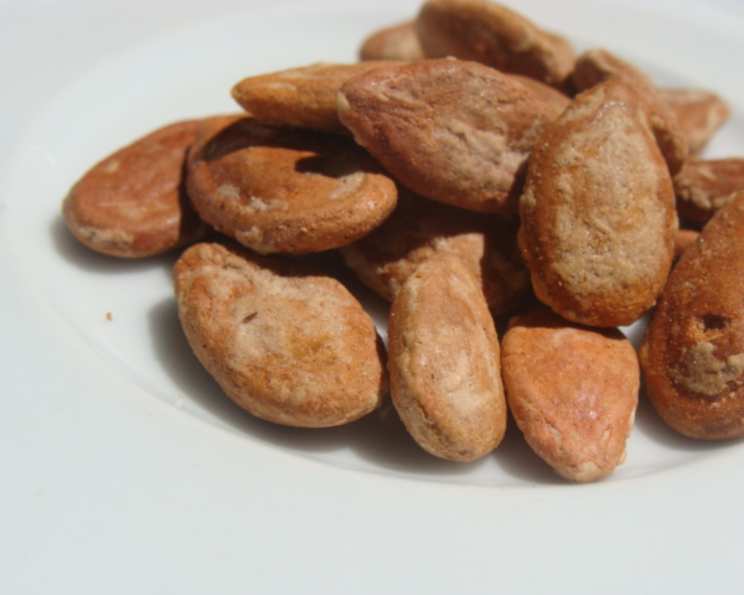
The Unexpected Crunch: Mastering Roasted Watermelon Seeds
There’s a certain magic in rediscovering forgotten culinary gems, those humble ingredients that our grandmothers knew so well but have somehow slipped through the cracks of modern kitchens. For me, roasted watermelon seeds are precisely that kind of revelation. I remember, as a child, watching my grandfather meticulously save the black seeds from each slice of juicy watermelon, his weathered hands working with a patient rhythm. He’d then perform a ritualistic roasting process on the stovetop, filling our small kitchen with a nutty, toasty aroma that was utterly unique. It was a taste of summer, of resourcefulness, and of pure, unadulterated snack joy. This simple act transformed what many consider waste into a delectable treat, a lesson in appreciation that has stayed with me through decades of culinary exploration.
Recipe Overview
- Prep Time: 15 minutes
- Cook Time: 30 minutes
- Total Time: 45 minutes
- Servings: 2
- Yield: 1 cup
- Dietary Type: Vegan, Gluten-Free, Dairy-Free
Ingredients
This recipe relies on the beautiful simplicity of a few core ingredients. The key is to start with good quality, raw watermelon seeds.
- 1 cup raw watermelon seeds (ensure they are the black seeds, not the immature white ones)
- 1 tablespoon salt
- Water (enough to dissolve the salt)
Equipment Needed
To bring these delightful little morsels to life, you’ll need a few basic kitchen tools:
- Colander
- Cookie sheet
- Frying pan (a non-stick pan works well here)
- Measuring cup
- Measuring spoon
Instructions
The process of transforming raw watermelon seeds into a crunchy, satisfying snack is straightforward and deeply rewarding. It’s about patience and attention to detail, much like any true culinary endeavor.
- Gather and Prepare the Seeds: Begin by taking a watermelon and scooping out the seeds. It’s crucial to use only the black seeds. The small, immature white seeds should be discarded as they do not roast well and can have an unpleasant texture. Place all the selected black seeds into a colander.
- Rinse Thoroughly: Rinse the seeds under cool running water in the colander. This step is essential to remove any residual watermelon pulp or sticky juice, ensuring a clean roast and preventing any unwanted sweetness or sliminess.
- Dry the Seeds: Once the seeds are clean, it’s time to dry them. Spread the seeds out in an even layer on a cookie sheet. For optimal results, allow them to dry completely. A wonderful method for this is to place the cookie sheet outdoors in direct sunlight. If sunlight isn’t an option, you can pat them as dry as possible with clean kitchen towels or paper towels. However, it’s important to understand that the seeds will roast much better and achieve a superior crispness when they are thoroughly dry. Moisture is the enemy of crispness when it comes to roasting.
- The Stovetop Roasting Method: In a frying pan, place the dried watermelon seeds. Set your stovetop to medium-high heat.
- Initial Roasting: Begin to turn the seeds constantly in the frying pan until they are roasted. You’ll notice them start to change color slightly and develop a toasty aroma. This initial dry roast helps to begin the drying and toasting process.
- Prepare the Salt Water Solution: While the seeds are toasting, in a cup of water, add the salt. Stir until the salt is completely dissolved. This ensures that the salt is evenly distributed throughout the roasting process.
- Add Salt Water and Continue Roasting: Once the seeds are starting to show signs of roasting, carefully pour the salt water into the frying pan. Continue to stir occasionally as the water heats up and begins to evaporate. This process infuses the seeds with a savory flavor and creates a lightly seasoned coating. Keep stirring and cooking until all the water has evaporated. You should hear a distinct crackling and popping sound as the last of the water turns to steam.
- Cooling is Key: Once the water has evaporated, remove the frying pan from the heat. Carefully transfer the roasted watermelon seeds to a clean plate or a secondary cookie sheet and allow them to cool completely. This cooling period is critical for achieving maximum crunch. As they cool, they will continue to crisp up.
- Shelling and Enjoying: Once completely cool, you can shell the seeds and enjoy them. The roasted shell will be brittle and easy to crack open, revealing the flavorful kernel inside.
Oven Roasting Alternative:
For those who prefer oven roasting, or if conditions aren’t ideal for stovetop methods, an oven approach is also effective:
- Prepare Seeds: Wash and dry the watermelon seeds as described in steps 1-3. Ensure they are as dry as possible.
- Preheat Oven: Preheat your oven to 325 degrees Fahrenheit (160 degrees Celsius).
- Season Seeds: Lightly spray the seeds with cooking spray on the cookie sheet. This helps the salt adhere and promotes even browning. Then, sprinkle evenly with salt.
- Roast: Roast in the preheated oven for 15-20 minutes. Keep an eye on them; roasting times can vary slightly depending on your oven and the exact moisture content of the seeds. They should be lightly golden and fragrant.
- Cool Completely: As with the stovetop method, allow the seeds to cool completely on the cookie sheet before eating. This ensures they achieve their optimal crispness.
Expert Tips & Tricks
- Seed Selection is Paramount: The quality and type of seed make a significant difference. Always opt for mature, black watermelon seeds. Immature white seeds will remain soft and detract from the overall texture.
- The Importance of Dryness: I cannot stress this enough: thoroughly dry seeds are essential for a perfectly crisp roast. Any residual moisture will steam the seeds rather than roast them, resulting in a chewy or leathery texture. If you live in a humid climate, consider using a food dehydrator on a low setting or your oven on its lowest possible temperature with the door slightly ajar for a few hours before roasting.
- Salt Distribution: When using the saltwater method, ensure the salt is fully dissolved in the water before adding it to the pan. Undissolved salt can create pockets of intense saltiness and uneven seasoning.
- Listen to Your Seeds: During the stovetop method, pay attention to the sounds. As the water evaporates, you’ll hear a transition from sizzling to a more active crackling. This is your cue that the final stages of drying and roasting are underway.
- Don’t Rush the Cooling: Resist the urge to taste the seeds while they are still warm. They gain their ultimate crunch and satisfying snap as they cool down.
Serving & Storage Suggestions
Roasted watermelon seeds are incredibly versatile. They can be enjoyed straight from the bowl as a healthy alternative to chips or nuts, or they can be added to salads for an unexpected textural element, sprinkled over yogurt parfaits, or even incorporated into trail mixes.
For storage, once completely cool, place the roasted watermelon seeds in an airtight container. They will keep well at room temperature for up to two weeks, provided they are stored in a cool, dry place and are truly devoid of moisture. If your climate is particularly humid, you might find they lose some of their crispness over time; in such cases, a brief (5-10 minute) toasting in a low oven (around 250°F / 120°C) can help revive their crunch. Avoid refrigerating them, as the moisture in the refrigerator can make them go stale more quickly.
Nutritional Information
While the exact nutritional values can vary based on the specific watermelon and the amount of salt used, here’s an estimated breakdown for roasted watermelon seeds. These figures are approximate and focus on the seed’s natural composition.
| Nutrient | Amount per Serving (approx. 1/4 cup roasted) | % Daily Value |
|---|---|---|
| Calories | 150 kcal | 8% |
| Total Fat | 12.8 g | 16% |
| Saturated Fat | 2.65 g | 13% |
| Cholesterol | 0 mg | 0% |
| Sodium | 350 mg (varies with added salt) | 15% |
| Total Carbohydrate | 4.15 g | 1% |
| Dietary Fiber | 0 g | 0% |
| Sugars | 0 g | 0% |
| Protein | 7.65 g | 15% |
| Magnesium | ~15% | |
| Phosphorus | ~15% | |
| Iron | ~10% |
Note: These values are estimates and do not include any added oil or excessive salt beyond the recipe’s recommendations.
Variations & Substitutions
While the classic salted roasted watermelon seed is divine on its own, there’s always room for culinary creativity.
- Spicy Kick: Add a pinch of cayenne pepper or red pepper flakes to the salt mixture before adding it to the pan for a fiery twist.
- Herbal Infusion: Incorporate dried herbs like rosemary, thyme, or even a touch of smoked paprika into the salt mixture for a more complex flavor profile.
- Sweet & Salty: For a delightful contrast, sprinkle a very small amount of sugar or a drizzle of maple syrup over the seeds after they’ve cooled slightly but before they’re fully hardened.
- Garlic & Herb: Infuse the salt water with a clove of minced garlic or some dried garlic powder for an aromatic boost.
- Ranch Seasoning: Mix a teaspoon of ranch seasoning powder with your salt for a savory, herbaceous variation.
FAQs (Frequently Asked Questions)
Q: Can I roast the white watermelon seeds?
A: It is strongly recommended to only roast the black watermelon seeds. The white seeds are immature and will remain soft, making them unpleasant to eat after roasting.
Q: How do I know when the watermelon seeds are done roasting?
A: They are done when they have a slightly golden hue, are fragrant with a toasty aroma, and have a discernible crunch when cooled and tested.
Q: Do I need to add oil to roast watermelon seeds?
A: No, oil is not strictly necessary. The stovetop method with salted water doesn’t use oil, and the oven method can use a light cooking spray if desired for salt adherence, but the seeds themselves contain enough natural oils.
Q: How long do roasted watermelon seeds last?
A: When stored properly in an airtight container at room temperature, they can last for up to two weeks.
Q: Can I shell the seeds before roasting?
A: No, the shells are an integral part of the roasting process, protecting the kernel and contributing to the final texture. They are meant to be shelled after roasting and cooling.
Final Thoughts
The simple act of roasting watermelon seeds is a culinary whisper from the past, a gentle reminder to look for possibility in every part of our food. It’s a testament to the fact that sometimes, the most delightful snacks are the ones we create ourselves, transforming the overlooked into the extraordinary. So, the next time you find yourself enjoying a juicy slice of watermelon, remember the potential held within those black seeds. Take a moment, embrace the process, and discover the satisfying crunch and subtly nutty flavor of this ancient, yet ever-surprising, snack. Share them with friends, pair them with your favorite beverage, and savor this taste of summer’s ingenuity.