
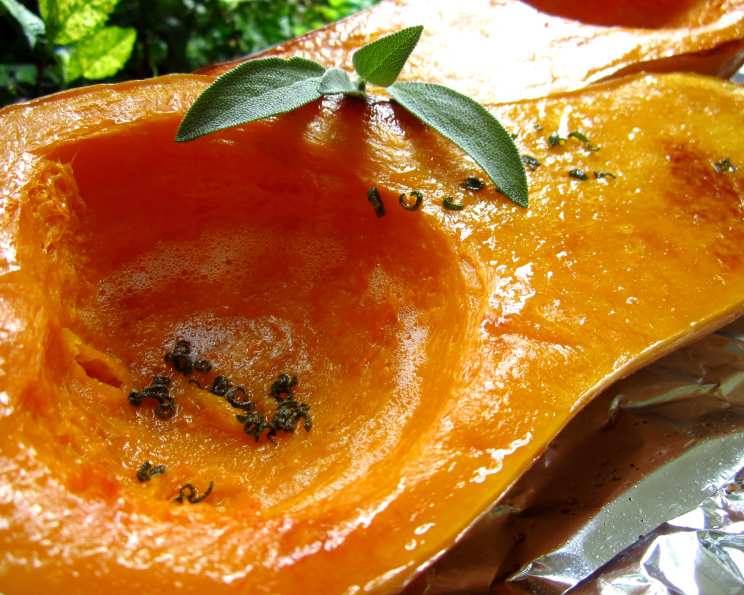
Roasted Winter Squash with Browned Butter and Sage
The first time I truly understood the magic of browned butter was during a chilly autumn evening, much like the ones that beckon this dish. My grandmother, a woman whose kitchen was a sanctuary of comforting aromas, was preparing what seemed like a simple side. As she melted butter in a pan, a subtle nutty fragrance began to fill the air, deepening with each swirl. Then, she added fresh sage leaves, and the aroma transformed into something more profound – earthy, herbaceous, and utterly captivating. That humble squash, kissed by this luxurious, amber-hued elixir, was a revelation. It’s a testament to how a few simple, quality ingredients, treated with a bit of care, can create something truly extraordinary. This recipe, for me, is a direct line back to that memory, a taste of autumn’s golden embrace.
Recipe Overview
- Prep Time: 15 minutes
- Cook Time: 40-50 minutes
- Total Time: 55-65 minutes
- Servings: 6
- Yield: 1 medium squash
- Dietary Type: Vegetarian
Ingredients
- 2 tablespoons extra-virgin olive oil
- 1 medium winter squash, halved lengthwise and seeded (butternut, acorn, or kabocha are excellent choices)
- 6 tablespoons unsalted butter
- 6 medium fresh sage leaves, sliced thin
- Salt and fresh ground pepper, to taste
- Brown sugar, for sprinkling
Equipment Needed
- Rimmed baking sheet
- Aluminum foil
- Small skillet
- Sharp knife
- Measuring spoons
- Measuring cups
Instructions
-
Preheat and Prepare: Begin by adjusting an oven rack to the lower-middle position. Heat the oven to 400 degrees Fahrenheit (200 degrees Celsius). Line a rimmed baking sheet with aluminum foil. This simple step will make cleanup a breeze.
-
Oil the Squash: Lightly brush the cut sides of the winter squash halves with the extra-virgin olive oil. Also, brush the foil on the baking sheet. This prevents sticking and helps create a lovely roasted exterior.
-
Initial Roast: Place the squash halves face down on the prepared baking sheet. This method allows the steam to gently cook the squash from the inside out, resulting in a tender and creamy texture.
-
Roast to Perfection: Roast the squash in the preheated oven until a skewer inserted into the flesh meets no resistance. This is your key indicator of doneness. This will take approximately 40-50 minutes, but oven temperatures can vary, so keep an eye on it. You’re looking for fork-tenderness.
-
Prepare the Browned Butter Sauce: While the squash is in its final stages of roasting, it’s time to craft the magical browned butter and sage sauce. Melt the unsalted butter in a small skillet over medium heat. Watch it carefully. As the butter melts, it will begin to foam.
-
Infuse with Sage: Once the butter is melted and starts to subside its foaming, add the sliced fresh sage leaves. Continue to cook, swirling the pan occasionally. You are looking for the butter to transform from pale yellow to a beautiful golden brown hue, and for the sage to become crisp. This process should take about 4 to 5 minutes. Be vigilant; browned butter can go from perfect to burnt in a matter of seconds. Once it reaches the desired color and aroma, remove the skillet from the heat immediately to stop the cooking process.
-
Finish the Squash: Once the squash is tender, carefully remove the baking sheet from the oven. Gently turn the squash halves cut-side up.
-
Dress and Garnish: Season the exposed flesh of the squash generously with salt and fresh ground pepper. Then, drizzle or brush the fragrant sage butter sauce evenly over the roasted squash. For a touch of sweetness and a lovely caramelized finish, sprinkle a little brown sugar over the top.
-
Serve Immediately: This dish is best enjoyed piping hot, allowing the flavors to meld and the aromas to fully enchant. Serve immediately.
Expert Tips & Tricks
The beauty of this recipe lies in its simplicity, but a few seasoned touches can elevate it further. When selecting your winter squash, aim for one that feels heavy for its size, indicating good moisture content. Butternut squash offers a uniformly sweet flavor, while acorn squash has a slightly richer, nuttier profile, and kabocha squash is wonderfully dense and sweet. Don’t shy away from imperfections on the squash rind; they often don’t affect the flesh’s quality.
When browning butter, using a lighter-colored skillet can help you better judge the color change. If you’re nervous about burning, a lower heat and more frequent stirring can give you more control. The goal is a nutty aroma and a deep amber color, not a dark brown or black, which signifies burning.
For a presentation that truly wows, consider reserving a few whole, crisp sage leaves from the browned butter process and garnishing the finished dish with them. They add a beautiful visual contrast and an extra pop of herbaceous flavor.
Serving & Storage Suggestions
This Roasted Winter Squash with Browned Butter and Sage is a stunning side dish that pairs beautifully with a wide array of main courses. Imagine it gracing your holiday table alongside a roast turkey, pork loin, or a hearty vegetable Wellington. It also stands wonderfully on its own as a light vegetarian main, perhaps with a side of quinoa or a fresh green salad.
Leftovers can be stored in an airtight container in the refrigerator for up to 3 days. To reheat, gently warm the squash in a low oven (around 300°F / 150°C) until heated through, or carefully reheat in a skillet over low heat. Be mindful that the texture might soften slightly upon reheating. It is not recommended to freeze this dish, as the texture of the squash can become watery.
Nutritional Information
Here’s an estimated nutritional breakdown for this delicious dish. Please note that these values can vary based on the size and type of squash used.
| Nutrient | Amount per Serving | % Daily Value |
|---|---|---|
| Calories | 849.6 kcal | |
| Calories from Fat | 864 g | |
| Total Fat | 96.1 g | 147% |
| Saturated Fat | 47.5 g | 237% |
| Cholesterol | 183.2 mg | 61% |
| Sodium | 9.9 mg | 0% |
| Total Carbohydrate | 0.1 g | 0% |
| Dietary Fiber | 0 g | 0% |
| Sugars | 0.1 g | 0% |
| Protein | 0.7 g | 1% |
Variations & Substitutions
While this recipe is a classic for a reason, feel free to explore variations:
- Spice it up: Add a pinch of red pepper flakes to the butter along with the sage for a subtle kick.
- Herb Swap: Experiment with other hardy herbs like thyme or rosemary instead of sage.
- Nutty Addition: Toasted pecans or walnuts, chopped and sprinkled over the finished dish, add a delightful crunch and earthy flavor.
- Sweetener Twist: Instead of brown sugar, try a drizzle of maple syrup or honey for a different kind of sweetness.
- Cheese Please: A sprinkle of crumbled goat cheese or feta over the warm squash can add a delightful salty tang.
FAQs
Q: What is the best type of winter squash to use for this recipe?
A: Butternut, acorn, and kabocha squash are all excellent choices, offering different but equally delicious flavor profiles and textures when roasted.
Q: How can I tell if the squash is fully roasted?
A: A skewer or fork should insert easily into the flesh with no resistance. The flesh should also be tender and easily pierced.
Q: My butter is burning when I try to brown it. What am I doing wrong?
A: Ensure your heat is on medium, not high, and watch the butter constantly. Swirl the pan frequently. Remove it from the heat as soon as it turns a golden brown color to prevent burning.
Q: Can I prepare the squash ahead of time?
A: You can halve, seed, and oil the squash a day in advance and store it wrapped tightly in plastic wrap in the refrigerator. Roast it just before serving.
Q: Is this recipe suitable for vegans?
A: No, as it contains butter. However, you could easily adapt it by using a good quality vegan butter alternative.
Final Thoughts
There’s an inherent satisfaction in transforming simple ingredients into something so profoundly flavorful. This Roasted Winter Squash with Browned Butter and Sage is more than just a side dish; it’s a celebration of seasonal bounty and the art of mindful cooking. I encourage you to gather your ingredients, embrace the process, and allow the rich, nutty aroma of the browned butter and the fragrant sage to fill your kitchen. Share this dish with loved ones, or savor it yourself as a moment of pure culinary delight. I’d be thrilled to hear about your experience, any delightful variations you discover, or how it graced your table. Enjoy every warm, comforting bite.