
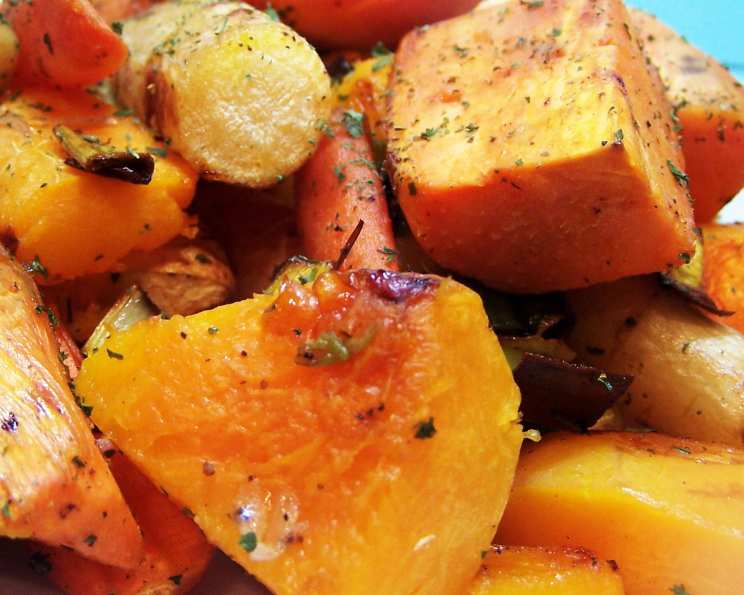
The Golden Embrace: Mastering Roasted Winter Vegetables
There’s a certain magic that happens in the kitchen when the air outside turns crisp and the days grow shorter. It’s a time for warmth, for comfort, and for flavors that speak of the earth’s bounty. For me, no dish embodies this spirit quite like a medley of roasted winter vegetables. I remember one particularly chilly November evening, a blizzard raging outside, when the aroma of caramelizing root vegetables filled my small apartment, a fragrant beacon of coziness. The simple act of transforming humble roots into something deeply sweet and savory, with edges kissed by the heat of the oven, felt like alchemy. It’s a dish that requires minimal fuss but delivers maximum satisfaction, a testament to the power of good ingredients and the transformative heat of the oven.
Recipe Overview
- Prep Time: 15 minutes
- Cook Time: 25 to 35 minutes
- Total Time: 40 to 50 minutes
- Servings: 8
- Yield: Approximately 10 cups
- Dietary Type: Vegan, Gluten-Free, Dairy-Free
Ingredients
This recipe celebrates the inherent sweetness and earthy notes of winter’s finest roots and squashes.
- 1 pound carrots, peeled
- 1 pound parsnips, peeled
- 1 large sweet potato, peeled
- 1 small butternut squash, peeled and seeded (about 2 pounds)
- 3 tablespoons olive oil
- 1 ½ teaspoons kosher salt
- ½ teaspoon fresh ground black pepper
- 2 tablespoons chopped fresh flat-leaf parsley
Equipment Needed
To bring this dish to life, you’ll need a few essential kitchen tools:
- A sharp knife for precise cutting.
- A large cutting board.
- Two baking sheets (standard half-sheet size is ideal).
- A metal spatula for turning the vegetables.
- A measuring spoon set.
- A vegetable peeler.
Instructions
The beauty of roasted vegetables lies in their simplicity. It’s a process that allows the natural flavors to concentrate and deepen.
- Preheat your oven to 425 degrees F. This high heat is crucial for achieving those delightful caramelized edges and tender interiors without making the vegetables mushy.
- Begin by preparing your vegetables. Cut the carrots, parsnips, sweet potato, and butternut squash into 1 to 1 ¼-inch cubes. It’s important not to cut them too small, as all these vegetables will shrink considerably during the baking process. Uniformity in size will ensure they cook evenly.
- Next, place all the cut vegetables in a single layer across two baking sheets. This step is vital: overcrowding the pan will cause the vegetables to steam rather than roast, resulting in a less desirable texture. Using two sheets ensures adequate space for air circulation.
- Now, it’s time to dress them. Drizzle the vegetables generously with the olive oil, sprinkle evenly with the kosher salt, and add the fresh ground black pepper.
- Toss the vegetables well directly on the baking sheets, ensuring each piece is lightly coated with the oil and seasonings. This coating helps in browning and prevents sticking.
- Bake for 25 to 35 minutes. During this time, the vegetables will transform. Keep an eye on them, and halfway through the cooking time (around the 15-20 minute mark), turn them once with a metal spatula. This ensures all sides get exposed to the oven’s heat for even browning and cooking. You’ll know they are ready when all the vegetables are tender when pierced with a fork and have developed lovely golden-brown, slightly crisp edges.
- Once they’ve reached perfection, sprinkle the roasted vegetables with the chopped fresh flat-leaf parsley. This adds a vibrant burst of freshness and a lovely green contrast to the warm hues of the cooked vegetables.
- Season to taste with a little more salt and pepper if needed, and serve hot.
Expert Tips & Tricks
- Vegetable Uniformity is Key: While the recipe specifies a size, pay attention to the density of the vegetables. Denser root vegetables like parsnips might take slightly longer than sweeter ones like sweet potato. If you have a particularly large piece of parsnip, consider cutting it slightly smaller than a large carrot piece.
- Don’t Fear the High Heat: The 425°F temperature might seem high, but it’s precisely what you need to achieve that desirable caramelization. If your oven tends to run hot, keep a closer eye on the vegetables during the latter half of the baking time to prevent burning. Conversely, if your oven is cooler, you might need to extend the cooking time by a few minutes.
- The Power of Two Pans: I cannot stress enough the importance of using two baking sheets if your vegetables are close to the specified amount. Proper spacing is paramount for achieving roasted, not steamed, results. If you only have one pan, you’ll likely need to cook in batches for the best outcome.
- The Freshness Factor: The parsley added at the end is not merely decorative; it’s essential for brightening the rich, earthy flavors of the cooked vegetables. Don’t skip it! If you don’t have parsley, a sprinkle of fresh chives or thyme can also be lovely, though parsley is the classic choice here.
- Make-Ahead Magic: You can absolutely peel and chop the vegetables a day in advance and store them in an airtight container in the refrigerator, submerged in water. Drain them thoroughly and pat them dry before tossing with oil and seasoning to roast. This makes weeknight cooking a breeze.
Serving & Storage Suggestions
These roasted winter vegetables are wonderfully versatile. They make an exceptional side dish for a festive holiday meal, pairing beautifully with roasted poultry or a hearty beef roast. For a lighter, yet satisfying meal, serve them alongside grilled halloumi or a perfectly cooked salmon fillet. They also shine as a component in grain bowls or a hearty salad.
Storage: Leftovers can be stored in an airtight container in the refrigerator for up to 3-4 days.
Reheating: To reheat, spread the vegetables in a single layer on a baking sheet and warm them in a 350°F oven for about 10-15 minutes, or until heated through and slightly crisped. You can also gently reheat them in a skillet over medium heat, stirring occasionally. Microwaving is an option for speed, but it can soften the texture, so I prefer oven or stovetop methods for the best results.
Nutritional Information
Here’s an estimated breakdown of the nutritional content per serving, based on 8 servings:
| Nutrient | Amount per Serving | % Daily Value |
|---|---|---|
| Calories | 176.4 | |
| Calories from Fat | ||
| Total Fat | 5.5 g | 8 % |
| Saturated Fat | 0.8 g | 3 % |
| Cholesterol | 0 mg | 0 % |
| Sodium | 386 mg | 16 % |
| Total Carbohydrate | 32.4 g | 10 % |
| Dietary Fiber | 7.2 g | 28 % |
| Sugars | 8.6 g | 34 % |
| Protein | 2.6 g | 5 % |
(Note: Nutritional values are estimates and can vary based on specific ingredients and portion sizes.)
Variations & Substitutions
While this recipe is a celebration of the classic combination, feel free to explore other delightful additions:
- Root Vegetable Friends: Consider adding chunks of celery root (celeriac) for a subtle anise note, or a few red onions cut into wedges for sweetness and depth.
- Sweetness Boost: A tablespoon or two of maple syrup drizzled over the vegetables before roasting adds an extra layer of caramelized sweetness.
- Herbal Infusions: Instead of parsley, try finishing with a sprinkle of fresh rosemary or thyme sprigs during the last 10 minutes of roasting, or a mix of sage and thyme.
- A Touch of Spice: For a little kick, add a pinch of red pepper flakes along with the salt and pepper before roasting.
- Garlic Goodness: Toss in a few whole, unpeeled garlic cloves onto the baking sheet. They will roast and become sweet and spreadable.
FAQs
Q: Why should I cut the vegetables into 1 to 1 ¼-inch cubes?
A: This size ensures that the vegetables cook through evenly in the allotted time and develop those desirable tender interiors and slightly crisp, caramelized edges without becoming mushy.
Q: Can I use different types of oil for roasting?
A: Yes, you can substitute olive oil with other high-heat oils like avocado oil or grapeseed oil. For a richer flavor, you could also use a good quality melted butter or ghee if not adhering to a vegan diet.
Q: What if I only have one baking sheet?
A: If you only have one baking sheet, you will need to cook the vegetables in two batches to ensure proper roasting. Overcrowding will lead to steaming, not caramelization.
Q: How do I know when the vegetables are perfectly tender?
A: You can test for doneness by gently piercing a piece of each vegetable with the tip of a fork or a sharp knife. It should slide in with minimal resistance. The edges should be nicely browned and slightly shrunken.
Q: Can I add other vegetables that might have different cooking times?
A: If you want to add faster-cooking vegetables like broccoli florets or bell pepper chunks, it’s best to add them during the last 15-20 minutes of roasting to prevent them from becoming overcooked.
Final Thoughts
This simple yet profound dish is a cornerstone of comforting, wholesome cooking. It’s a reminder that the most delightful flavors often come from letting good ingredients speak for themselves, coaxed gently by heat. I encourage you to embrace the season and bring this vibrant medley to your table. It’s more than just a side dish; it’s an experience, a warm embrace on a plate. Share it with loved ones, savor its sweetness, and feel the goodness of the earth.