
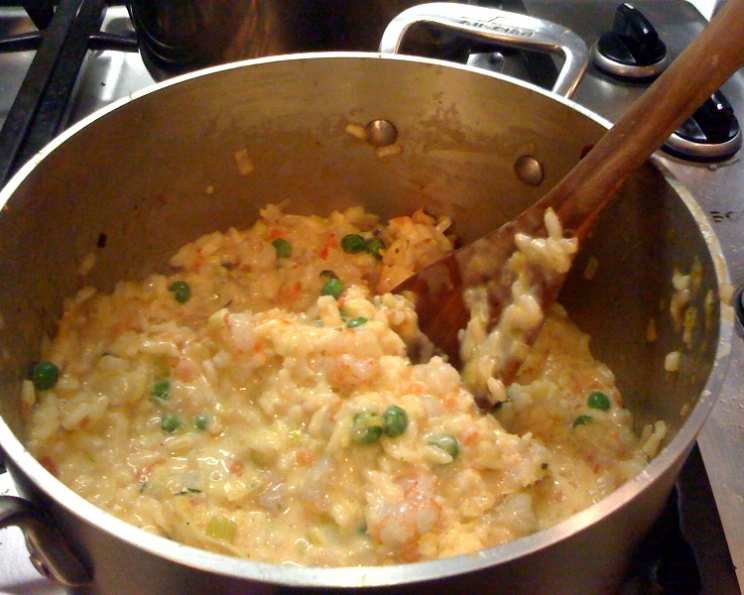
Rock Shrimp, Tomato, and Leek Risotto with Basil and Meyer Lemon
There are certain dishes that, once you taste them, lodge themselves firmly in your culinary memory. For me, this Rock Shrimp, Tomato, and Leek Risotto is one of those. I remember the first time I encountered rock shrimp – their surprisingly sweet, almost lobster-like flavor and firm, tender texture completely captivated me. It felt like a secret ingredient, a little treasure from the sea that elevated anything it touched. This risotto, with its delicate sweetness of shrimp, the bright acidity of fresh tomatoes, and the subtle, oniony charm of leeks, all kissed with the floral notes of Meyer lemon and fresh basil, is a symphony of balanced flavors. It’s a dish that manages to be both sophisticated and comforting, perfect for a special occasion or a weeknight treat when you crave something truly delicious.
Recipe Overview
- Prep Time: 20 minutes
- Cook Time: 30 minutes
- Total Time: 50 minutes
- Servings: 4
- Yield: 4 servings
- Dietary Type: Seafood
Ingredients
Here’s what you’ll need to create this delightful risotto:
- 3 large leeks, divided
- 1 cup heavy cream
- 1 large tomato, cut into small 1/4 inch dice (or 5-6 Roma tomatoes)
- 10 large basil leaves, cut into chiffonade, divided
- 1 cup Arborio rice
- 3 tablespoons unsalted butter, divided
- 2/3 cup dry white wine (like Pinot Grigio or Sauvignon Blanc), plus more for serving
- 2 large garlic cloves
- 3-4 cups shrimp stock (or chicken stock if shrimp stock is unavailable)
- 1 lb fresh rock shrimp, peeled and deveined
- 3/4 cup frozen peas
- 1 Meyer lemon
- Parmigiano-Reggiano cheese, for grating
- Salt and freshly ground black pepper, to taste
Equipment Needed
You’ll find these tools helpful for making this risotto:
- Sharp knife and cutting board
- Small saucepan
- Medium-sized heavy-bottomed stockpot or Dutch oven
- Wooden spoon or heatproof spatula
- Garlic press
- Large non-reactive skillet
- Zester or microplane
- Measuring cups and spoons
- Shallow bowls for serving
Instructions
Let’s bring these beautiful ingredients together:
-
Prepare the Leeks and Cream Mixture: Begin by carefully washing the leeks. Trim off the root end and the dark green tops, leaving only the pale green and white parts. Halve them lengthwise and rinse thoroughly to remove any hidden dirt or sand, especially between the layers. Slice the leeks thinly into half-moons. Keep the slices from one leek separate from the other two. In a small saucepan, combine the slices from two of the leeks with the 1 cup of cream. Season generously with salt and pepper. Bring the mixture to a boil, then reduce the heat to a gentle simmer for about 10 minutes. Stir in the diced tomato and continue to simmer.
-
Start the Risotto Base: While the leeks and cream are simmering, begin building your risotto. In a heavy-bottomed, medium-sized stock pot or Dutch oven, melt 1 tablespoon of butter over medium heat. Add the thinly sliced leeks from the remaining one leek. Sauté them for a few minutes until they begin to soften and develop a faint golden hue.
-
Toast the Rice: Add the 1 cup of Arborio rice to the pot with the sautéed leeks. Stir and toast the rice for 2-3 minutes until the grains are coated in the butter-leek mixture and appear slightly translucent around the edges. This toasting step is crucial for developing a nutty flavor and ensuring the rice grains hold their shape.
-
Deglaze and Begin Adding Stock: Pour in 2/3 cup of white wine. Stir continuously until the wine is almost completely absorbed by the rice. Now, begin adding your shrimp stock (or chicken stock) a ladleful at a time – about 1/2 cup at a time. Stir frequently, almost constantly, allowing each addition of stock to be absorbed by the rice before adding the next. This patient stirring is what coaxes the starch out of the Arborio rice, creating the signature creamy texture of risotto.
-
Continue Cooking the Risotto: Keep adding stock, stirring, and waiting for absorption until the rice is cooked through. It should be tender but still have a slight firmness in the center – what chefs call al dente. This process will likely take about 18-20 minutes.
-
Infuse with Meyer Lemon and Season: Once the rice is cooked to your liking, grate about 1/4 of the Meyer lemon rind directly into the risotto. This adds a wonderful aromatic depth. Season the risotto to taste with salt and pepper.
-
Finish the Cream Mixture: Add the 1/2 cup of basil chiffonade and the 3/4 cup of frozen peas to the simmering cream and tomato mixture. Stir to combine and check the seasoning one last time, adjusting if necessary.
-
Combine Cream Mixture and Risotto: Gently pour the warm cream mixture into the risotto in the stockpot. Gently fold everything together, allowing the creamy sauce to envelop the rice and peas.
-
Sauté the Rock Shrimp: While the risotto is coming together, heat a large non-reactive skillet over high heat. Add the remaining 1 tablespoon of butter and let it melt. Add the 1 lb of fresh rock shrimp. Season them with salt and pepper. Sauté the rock shrimp for about 2 minutes, or until they are just cooked through and opaque. Be careful not to overcook them; they are delicate.
-
Incorporate Shrimp and Flavor Boosters: Add the cooked rock shrimp to the risotto. Set the skillet back on the heat. Melt the final 1 tablespoon of butter in the same skillet. Add the 2 large garlic cloves, having pressed them through a garlic press directly into the skillet. Sauté the garlic for just a few seconds until fragrant – do not let it burn.
-
Deglaze Skillet and Finish Risotto: Pour 1/3 cup of white wine into the hot skillet to deglaze, scraping up any browned bits from the bottom of the pan with a wooden spoon. This releases a burst of flavor. Pour this fragrant liquid into the risotto. Squeeze the juice of 1/2 Meyer lemon over the risotto and gently fold everything together to combine. The risotto should have a luscious, slightly soupy consistency.
-
Serve: Serve the risotto immediately in shallow bowls. Garnish generously with a grating of Parmigiano-Reggiano cheese and the remaining basil chiffonade. It’s wonderful paired with the same white wine you used in the recipe.
Expert Tips & Tricks
- The Leek Cleanse: Leeks can be notoriously sandy. After slicing, don’t just rinse them under water. Submerge the sliced leeks in a bowl of cold water, swish them around, and let them sit for a few minutes. The grit will sink to the bottom, allowing you to easily lift the clean leeks out.
- Stock Warmth is Key: Always keep your stock warm or hot while making risotto. Adding cold stock will shock the rice and significantly slow down the cooking process, leading to unevenly cooked grains.
- Patience with the Stirring: The frequent stirring isn’t just about preventing sticking; it’s about encouraging the release of starch from the Arborio rice, which is the secret to that beautiful, creamy texture without needing a lot of cream.
- Don’t Overcook the Shrimp: Rock shrimp cook very quickly. Sautéing them just until pink and opaque ensures they remain tender and sweet. They will continue to cook slightly when added to the hot risotto.
- Meyer Lemon Zest: Meyer lemons have a sweeter, more floral zest than regular lemons. Use a zester or microplane for the finest shavings, which will distribute their flavor evenly throughout the risotto.
Serving & Storage Suggestions
This risotto is best enjoyed immediately after it’s made, when the rice is perfectly al dente and the textures are at their peak. The creamy consistency is part of its charm.
If you happen to have leftovers, they can be stored in an airtight container in the refrigerator for up to 2 days. To reheat, gently warm the risotto in a saucepan over low heat, adding a splash of stock or water to loosen it up. Stir constantly until heated through. Avoid microwaving, as it can make the rice mushy.
Nutritional Information
Here’s an approximate nutritional breakdown per serving:
| Nutrient | Amount per Serving | % Daily Value |
|---|---|---|
| Calories | 637 kcal | |
| Calories from Fat | 261 kcal | |
| Total Fat | 29 g | 44 % |
| Saturated Fat | 17.3 g | 86 % |
| Cholesterol | 232 mg | 77 % |
| Sodium | 785 mg | 32 % |
| Total Carbohydrate | 61.3 g | 20 % |
| Dietary Fiber | 5 g | 20 % |
| Sugars | 6.2 g | 25 % |
| Protein | 23.4 g | 46 % |
Nutritional values are estimates and can vary based on specific ingredients and brands used.
Variations & Substitutions
- For a Vegetarian Option: Omit the rock shrimp and increase the quantity of vegetables. Consider adding finely diced mushrooms, asparagus, or artichoke hearts for added depth and texture. Use a good quality vegetable stock.
- Different Seafood: While rock shrimp are special, you can substitute with small, sweet shrimp, bay scallops, or even diced lobster if desired. Adjust cooking times accordingly.
- Herb Variations: If basil isn’t your favorite, try fresh parsley, chives, or a combination for a different herbaceous note.
- Spice it Up: For a hint of heat, add a pinch of red pepper flakes along with the garlic.
FAQs
Q: Why is my risotto not creamy?
A: Creaminess in risotto comes from the slow cooking process and frequent stirring, which releases the starch from the Arborio rice. Ensure you’re using the correct rice, adding stock gradually, and stirring patiently.
Q: Can I use regular shrimp instead of rock shrimp?
A: Yes, you can substitute with peeled and deveined medium or large shrimp. Be mindful of their cooking time; they will cook slightly faster than rock shrimp.
Q: Is it okay to use regular lemons if I can’t find Meyer lemons?
A: Absolutely. If Meyer lemons are unavailable, use the zest and juice of a regular lemon, but you might want to use a little less juice as they can be more tart.
Q: What kind of wine is best for risotto?
A: A dry white wine, such as Pinot Grigio, Sauvignon Blanc, or a dry Vermouth, works best. Avoid sweet wines, as they will alter the flavor profile of the dish.
Q: How can I make this risotto gluten-free?
A: This risotto is naturally gluten-free, provided you use a gluten-free stock. Arborio rice is a type of short-grain rice.
Final Thoughts
This Rock Shrimp, Tomato, and Leek Risotto is a testament to how simple, high-quality ingredients can transform into something truly extraordinary. It’s a dish that speaks of the sea, the garden, and the comforting art of slow cooking. I encourage you to gather your ingredients, embrace the gentle rhythm of making risotto, and savor every creamy, flavorful bite. It’s a dish that’s as rewarding to make as it is to eat, and I hope it becomes a cherished recipe in your own culinary repertoire. Serve it with a crisp glass of that same white wine, and let the experience transport you.