
Rode Kool: A Dutch Childhood Classic, Reimagined for Your Table
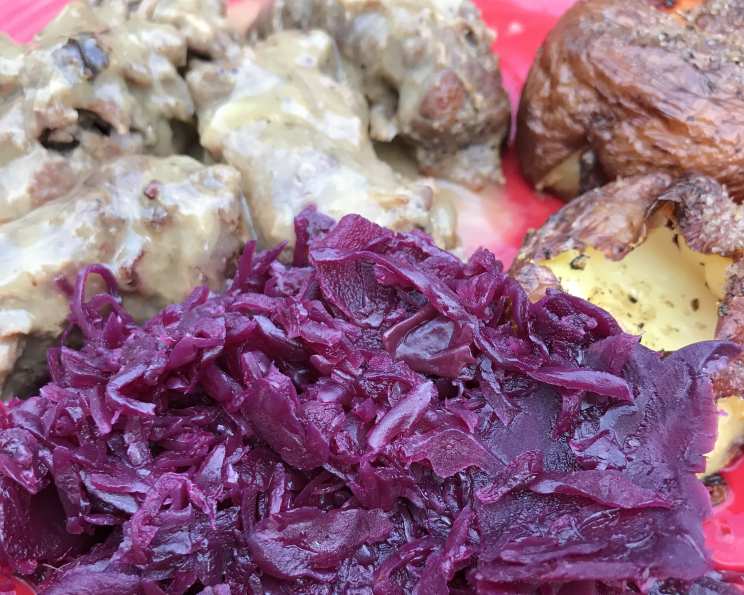
The scent of rode kool, or Dutch red cabbage, simmering on the stovetop is a scent that instantly transports me back to my grandmother’s kitchen in the Netherlands. It wasn’t a dish served at every meal, but when it graced our table, it was a moment of warmth and tradition. I remember the vibrant ruby hue of the cabbage, a promise of the sweet, tangy, and deeply comforting flavor that was about to unfold. It was the perfect counterpoint to hearty stews and roasted meats, a simple yet essential part of our culinary landscape, and a taste I’ve carried with me through all my years as a chef.
Recipe Overview
- Prep Time: 15 minutes
- Cook Time: 45 minutes
- Total Time: 1 hour
- Servings: 4-6
- Yield: A generous portion of savory red cabbage
- Dietary Type: Vegan (with butter, can be adapted)
Ingredients
- 1 head red cabbage
- 3-4 tablespoons vinegar (apple cider or red wine vinegar work beautifully)
- 2 tablespoons sugar (granulated or brown sugar)
- 1/2 teaspoon ground cloves
- 1 pinch pepper (freshly ground black pepper is ideal)
- 1 tablespoon butter (unsalted is preferred; for vegan, use a plant-based butter alternative)
- 1 teaspoon salt (or to taste)
Equipment Needed
- Large pot or Dutch oven
- Sharp knife
- Cutting board
- Measuring spoons and cups
Instructions
-
Prepare the Red Cabbage: Begin by removing any wilted outer leaves from the red cabbage. Slice the cabbage in half, then in quarters. Cut out the tough core from each quarter. Finely shred the cabbage leaves; a mandoline slicer can be helpful for uniform results, but a sharp knife will do the job perfectly.
-
Initial Cooking: Place the shredded red cabbage into a large pot or Dutch oven. Add just a small amount of boiling water – enough to create steam and begin the cooking process, but not so much that the cabbage becomes soupy. Stir in the ground cloves, pepper, and salt.
-
Simmering the Cabbage: Bring the water to a gentle simmer over medium heat. Cover the pot and allow the cabbage to cook for approximately 45 minutes. It’s crucial to monitor the liquid level. The goal is for the cabbage to soften and tenderize without boiling dry, but also without adding excessive water. Add a tablespoon or two of water only if absolutely necessary to prevent sticking.
-
Adding the Vinegar: During the last 10 minutes of the cooking time, stir in the vinegar. This is where the magic happens, transforming the earthy cabbage into a dish with a delightful sweet and tangy profile. The vinegar not only adds flavor but also helps to preserve the vibrant, ruby-red color of the cabbage. Continue to simmer, covered, for these final 10 minutes.
-
Finishing Touches: Once the cabbage is tender and the flavors have melded, remove the pot from the heat. Just before serving, stir in the butter until it is fully melted and incorporated. This adds a touch of richness and a lovely sheen to the finished dish. Taste and adjust the salt and pepper as needed.
Expert Tips & Tricks
- Color Retention: To ensure your rode kool retains its stunning deep red hue, avoid adding the vinegar too early in the cooking process. The acidity at the beginning can sometimes leach out the color. Adding it towards the end is key.
- Texture Control: The cooking time of 45 minutes is a guideline. Depending on how finely you shred the cabbage and your desired tenderness, you might need to adjust it slightly. The cabbage should be tender but still retain a slight bite; avoid overcooking it into a mush.
- Flavor Depth: For an even more complex flavor, consider adding a bay leaf or a few strips of apple peel to the pot during the initial simmering stage. Remove them before serving.
- Sweetness Adjustment: The amount of sugar can be adjusted to your preference. If your cabbage is particularly sweet or you prefer a tarter dish, you can reduce the sugar. Conversely, if you like it sweeter, a touch more can be added.
Serving & Storage Suggestions
Rode kool is a quintessential side dish, perfectly complementing roasted meats like pork, duck, or game. It’s also a fantastic accompaniment to traditional Dutch dishes such as stamppot or erwtensoep (split pea soup). For a beautiful presentation, serve it in a warm, shallow bowl, allowing its vibrant color to shine.
Leftovers can be stored in an airtight container in the refrigerator for up to 3-4 days. The flavors often deepen and meld even further overnight, making it even more delicious the next day. To reheat, gently warm the rode kool in a saucepan over low heat, adding a tablespoon or two of water or broth if it seems a bit dry. Avoid microwaving if possible, as it can sometimes affect the texture.
Nutritional Information
The nutritional profile of rode kool is as wholesome as its flavor. Here’s an approximate breakdown per serving, assuming 6 servings:
| Nutrient | Amount per Serving | % Daily Value |
|---|---|---|
| Calories | 117.8 kcal | |
| Calories from Fat | 25% | |
| Total Fat | 3.3 g | 5% |
| Saturated Fat | 1.9 g | 9% |
| Cholesterol | 7.6 mg | 2% |
| Sodium | 664.3 mg | 27% |
| Total Carbohydrate | 21.9 g | 7% |
| Dietary Fiber | 4.5 g | 18% |
| Sugars | 14.3 g | 57% |
| Protein | 3 g | 6% |
Note: Nutritional values are estimates and can vary based on specific ingredients and preparation methods.
Variations & Substitutions
- Fruity Twist: For a delightful variation, add a peeled and diced apple (such as a Gala or Jonagold) to the pot along with the cabbage. The apple will soften and add a wonderful natural sweetness and subtle tartness.
- Spicy Kick: A small pinch of red pepper flakes can be added along with the black pepper for a subtle warmth.
- Beyond Butter: If you’re keeping this dish entirely vegan or want a different flavor profile, a good quality plant-based butter or even a drizzle of olive oil can be used in place of butter at the end.
- Vinegar Choices: While apple cider or red wine vinegar are traditional, a good quality balsamic vinegar can also be used for a richer, deeper flavor, though it will alter the final color slightly.
FAQs
Q: Why is my red cabbage not turning a vibrant red?
A: The pH of the water you use and when you add the vinegar can affect the color. Ensure you are not using overly alkaline water and add the vinegar towards the end of the cooking time.
Q: Can I make Rode Kool ahead of time?
A: Absolutely! In fact, rode kool often tastes even better the next day after the flavors have had more time to meld. Reheat gently on the stovetop.
Q: How finely should I shred the red cabbage?
A: Aim for relatively thin shreds. This ensures the cabbage softens evenly and absorbs the flavors more effectively. A mandoline or a sharp knife works well.
Q: What can I do if my Rode Kool tastes too tart?
A: You can balance the tartness by stirring in a little more sugar at the end of cooking, or even a touch more butter for richness.
Q: Is Rode Kool a sweet or savory dish?
A: It’s a harmonious balance of both! The sugar and vinegar provide the sweet and tangy notes, while the cloves, salt, and pepper add savory depth.
Final Thoughts
Rode kool is more than just a side dish; it’s a culinary embrace, a taste of home that resonates deeply. It’s a testament to how simple ingredients, treated with care and a touch of tradition, can create something truly extraordinary. I encourage you to bring this Dutch classic into your kitchen. Experience its rich color, its comforting aroma, and its perfectly balanced sweet and tangy flavor. It’s a dish that’s sure to become a cherished part of your own culinary repertoire, especially when served alongside a comforting roast or a hearty braised meat. Enjoy every spoonful.