
Roht Persad: A Taste of Devotion and Tradition
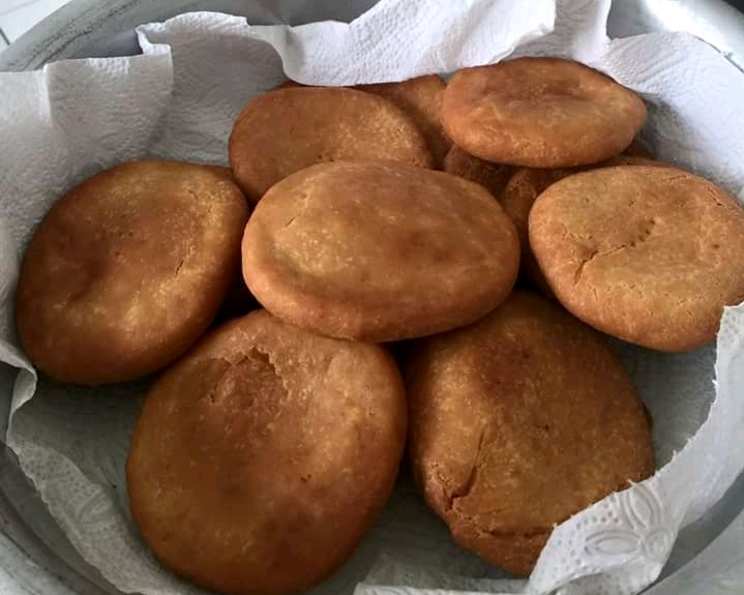
There are certain aromas that transport me instantly back to my grandmother’s kitchen, a place of warmth, wisdom, and an endless supply of delicious treats. The scent of cardamom, ghee, and sweet dough frying is one of them, inextricably linked to the special time of year when Roht Persad graced her counter. It wasn’t just a sweet; it was an offering, a tangible expression of faith and love, prepared with meticulous care for Lord Hanuman during Navarathri and Hanuman Pooja. Each golden-brown disc, slightly crisp on the outside and wonderfully tender within, held a quiet promise of blessings and a connection to something far greater than ourselves. The anticipation of biting into one, still warm, was a highlight of those spiritual observances, a comforting, familiar delight that always marked a time of reflection and communal joy.
Recipe Overview
- Prep Time: Approximately 20 minutes (plus time for dough to rest if desired)
- Cook Time: Approximately 30-40 minutes (depending on batch size and heat)
- Total Time: Approximately 50-60 minutes
- Servings: Approximately 10
- Yield: About 10-12 Roht Persad discs
- Dietary Type: Vegetarian
Ingredients
The beauty of Roht Persad lies in its simplicity, relying on a few pantry staples to create something truly magical.
- 5 cups all-purpose flour
- 2 cups granulated sugar
- 1 cup ghee, at room temperature
- 1 teaspoon cardamom powder
- 1 large mashed banana (optional, for added moisture and flavor)
- Milk, as required (to form the dough)
- Ghee or vegetable oil, for deep frying
Equipment Needed
While Roht Persad is a humble sweet, a few key tools will ensure a smooth and successful preparation.
- Large mixing bowl
- Measuring cups and spoons
- Fork or pastry blender
- Deep frying pot or wok
- Slotted spoon or spider strainer
- Paper towels
- Plate or tray for draining
Instructions
The process of making Roht Persad is a labor of love, a meditative rhythm that culminates in a deeply satisfying result. Follow these steps with care and intention.
- Begin by sifting the 5 cups of all-purpose flour into a large mixing bowl. This ensures a light and airy texture for your Roht.
- Add the 2 cups of granulated sugar and the 1 teaspoon of cardamom powder to the sifted flour.
- Incorporate the 1 cup of room-temperature ghee. The ghee should be soft enough to mix in easily but not melted.
- If you are using the optional mashed banana, add the 1 large mashed banana to the bowl at this stage. The banana will add a subtle sweetness and moisture to the dough.
- Using your fingertips, a fork, or a pastry blender, rub the ghee into the dry ingredients. Continue this process until the mixture resembles fine breadcrumbs. This step is crucial for creating a tender texture.
- Create a well in the center of the flour and ghee mixture.
- Gradually pour in milk, a little at a time, into the well. Mix and knead gently to form a dough. You want the dough to come together and have a consistency similar to scone dough. It should be firm enough to handle but not too dry or sticky. Add just enough milk to achieve this.
- Once the dough has formed, break off portions of the dough roughly the size of a golf ball.
- On a lightly floured surface or directly in your palms, roll each portion into small circles. The thickness can be adjusted to your preference, but aim for about ¼ inch thick.
- Heat a generous amount of ghee or vegetable oil in a deep frying pot or wok over medium heat. The oil should be hot enough for frying but not so hot that the Roht burns before cooking through. You can test the oil temperature by dropping a tiny piece of dough; it should sizzle and rise to the surface.
- Carefully place a few of the rolled Roht discs into the hot ghee, being careful not to overcrowd the pot.
- Fry the Roht Persad for approximately 3-4 minutes per side, or until they are a beautiful golden-brown color. Adjust the heat as needed to maintain a consistent frying temperature.
- Using a slotted spoon or spider strainer, remove the fried Roht Persad from the hot ghee and drain them on paper towels. This will help absorb any excess oil.
- Continue this process until all the dough has been fried.
PS: The trick is to break and dough the remaining mixture so it’s shinny. This often refers to the final shaping and handling of the dough before frying, ensuring a smooth surface for a glistening finish after frying.
Expert Tips & Tricks
As a chef, I’ve learned that even the simplest recipes benefit from a few thoughtful touches.
- Ghee Quality: The quality of your ghee will significantly impact the flavor. If possible, use good-quality, pure ghee for the most authentic taste.
- Dough Consistency: The key to a perfect Roht is the dough consistency. It should be like a scone dough – firm enough to handle and shape, but not dry or crumbly. If it’s too dry, add a tiny bit more milk; if it’s too sticky, add a dusting of flour.
- Frying Temperature: Maintaining the correct frying temperature is crucial. If the oil is too hot, the outside will brown quickly while the inside remains raw. If it’s too cool, the Roht will absorb too much oil and become greasy. Medium heat is generally ideal.
- Shaping Uniformity: Try to make your Roht discs as uniform in size and thickness as possible. This ensures they cook evenly.
- Flavor Variations: While cardamom is traditional, feel free to experiment with a pinch of nutmeg or a tiny bit of rose water in the dough for a subtle twist.
Serving & Storage Suggestions
Roht Persad is best enjoyed fresh, warm from the frying pan. The crisp exterior yielding to a soft, slightly chewy interior is a delightful contrast.
- Serving: Serve warm as a sweet offering, a dessert, or with your afternoon tea. They are often enjoyed during religious observances but are also a welcome treat at any time.
- Storage: Store cooled Roht Persad in an airtight container at room temperature. They will remain fresh for about 3-4 days. If they become slightly stale, a quick warm-up in a low oven or air fryer can revive their texture. Freezing is also an option for longer storage; wrap them well and freeze for up to 2 months. Thaw at room temperature and gently reheat if desired.
Nutritional Information
While Roht Persad is a rich treat, it’s made with simple ingredients. The exact nutritional values can vary based on the exact quantities and frying methods used.
| Nutrient | Amount per Serving (Approx.) | % Daily Value (Approx.) |
|---|---|---|
| Calories | 565.9 kcal | – |
| Calories from Fat | – | 32% |
| Total Fat | 21.4 g | 32% |
| Saturated Fat | 13 g | 65% |
| Cholesterol | 53.5 mg | 17% |
| Sodium | 2.1 mg | 0% |
| Total Carbohydrate | 87.8 g | 29% |
| Dietary Fiber | 1.7 g | 6% |
| Sugars | 40.1 g | 160% |
| Protein | 6.5 g | 13% |
(Note: The Daily Value percentages are based on a 2,000-calorie diet. These are approximate values.)
Variations & Substitutions
While the traditional recipe is cherished, there’s always room for a little creativity in the kitchen.
- Gluten-Free: For a gluten-free version, you could experiment with a blend of gluten-free flours like almond flour, rice flour, and tapioca starch. The texture might vary, and you may need to adjust the liquid content.
- Vegan: To make this recipe vegan, ensure you use a plant-based ghee alternative or coconut oil. The banana naturally contributes to binding and moisture, making it easier to adapt.
- Spice Level: While cardamom is the star, you can add a pinch of ground nutmeg or cinnamon for a different aromatic profile.
- Sweetener: While sugar is traditional, you could explore using coconut sugar for a slightly different flavor profile, though this might alter the color.
FAQs
Q: What is Roht Persad typically used for?
A: Roht Persad is traditionally made as an offering during religious festivals, particularly for Lord Hanuman during Navarathri and Hanuman Pooja, signifying devotion and gratitude.
Q: Can I bake Roht Persad instead of frying it?
A: While frying is the traditional method, you could experiment with baking. However, it will alter the texture, making it more like a biscuit or cookie rather than the characteristic crisp-yet-tender Roht. If baking, aim for a moderate oven temperature (around 180°C / 350°F) and watch closely for browning.
Q: Why is ghee used in this recipe?
A: Ghee imparts a rich, nutty flavor and a beautiful golden hue to the Roht Persad. It also contributes to the tender texture when rubbed into the flour.
Q: My Roht Persad is absorbing too much oil. What did I do wrong?
A: This usually happens if the oil is not hot enough. Ensure the oil is at a medium temperature before adding the Roht. The dough should sizzle gently as soon as it hits the oil.
Q: Can I make the dough ahead of time?
A: Yes, you can prepare the dough and store it in the refrigerator for a day or two. Ensure it is well-wrapped. You might need to let it come to room temperature and knead it briefly before shaping.
Final Thoughts
Roht Persad is more than just a recipe; it’s a culinary legacy, a testament to how food can be interwoven with faith, family, and tradition. Each bite is a reminder of the simple yet profound ways we connect with our heritage and express our devotion. I encourage you to try making this special sweet. Take your time, infuse it with good intention, and savor the process as much as the delicious outcome. Share it with loved ones, and perhaps, as you enjoy its comforting sweetness, you’ll feel a connection to generations past who have prepared this very same offering with love.