
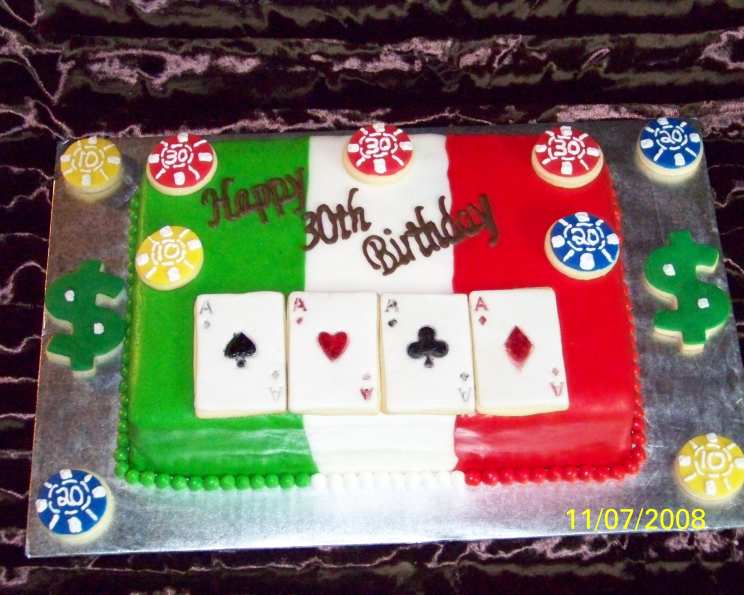
The Marvel of Rolled Buttercream Icing: A Baker’s Secret Weapon
There’s a certain magic that happens when you can achieve the smooth, elegant finish of rolled fondant without the characteristic chewiness or the sometimes-finicky application. For years, I’d heard whispers of a recipe that promised just that, a kind of buttercream that could be rolled and draped like fondant, offering a beautiful, almost porcelain-like surface for cakes. It felt like uncovering a well-kept secret in the baking community, a technique that elevates home baking to a professional standard. When I finally got my hands on this elusive recipe, I was skeptical but hopeful. The first time I rolled it out, the way it yielded, the way it smoothed effortlessly over a cake, it was a revelation. This icing isn’t just an alternative; it’s a triumph, a delicious and versatile medium that has transformed many of my celebratory cakes.
Recipe Overview
- Prep Time: 30 minutes
- Cook Time: 0 minutes
- Total Time: 30 minutes (plus resting time)
- Servings: Yields enough to cover a 9×13 cake
- Yields: Approximately 2 pounds of icing
- Dietary Type: Vegetarian
Ingredients
This recipe is beautifully straightforward, relying on pantry staples to create a frosting with extraordinary capabilities.
- 1 cup solid vegetable shortening
- 1 cup clear corn syrup
- 1/2 teaspoon clear butter flavoring
- 1 teaspoon clear vanilla flavoring
- 1/2 teaspoon popcorn salt
- 7-8 cups powdered sugar, approximately 2 pounds
Ingredient Notes:
The use of clear flavorings and corn syrup is crucial for achieving the pure white color and smooth texture that is characteristic of this icing. If you use colored versions, your final icing will be tinted. The quantity of powdered sugar is a guideline; you may need slightly more or less depending on humidity and the specific brand of powdered sugar you use. It’s always best to have extra on hand.
Equipment Needed
This recipe is best made with equipment designed for heavier-duty tasks.
- A heavy-duty stand mixer (essential for achieving the right consistency)
- The paddle attachment for your stand mixer (do NOT use the whisk attachment)
- Measuring cups and spoons
- A spatula or bench scraper for handling the icing
- Plastic wrap
- An airtight container
Instructions
Crafting this rolled buttercream icing requires a bit of technique, but the payoff is immense. Follow these steps meticulously for a perfect result.
- Begin by preparing your ingredients. Measure out your solid vegetable shortening, clear corn syrup, clear butter flavoring, clear vanilla flavoring, and popcorn salt. Have your powdered sugar ready to go.
- Place the solid vegetable shortening and clear corn syrup into the bowl of your heavy-duty stand mixer.
- Using the paddle attachment, beat the shortening and corn syrup together on medium speed until the mixture is visibly creamy and well combined. This usually takes a few minutes.
- Add the clear butter flavoring, clear vanilla flavoring, and popcorn salt to the bowl. Continue to beat until these flavorings and the salt are thoroughly blended into the shortening and corn syrup mixture.
- Now, it’s time to incorporate the powdered sugar. With the mixer on low speed, gradually add the powdered sugar. It’s best to pour it in slowly, over approximately a 30-second period, to prevent a cloud of sugar from erupting from the bowl.
- Once all the powdered sugar has been added, increase the mixer speed to medium and blend thoroughly. Continue to mix for approximately 30 seconds to one minute after the last bit of sugar has been incorporated. The mixture will start to thicken considerably.
- Scrape the icing from the sides of the bowl and turn it out onto a clean, lightly powdered work surface. You may need to dust your hands lightly with powdered sugar as well.
- Knead the icing by hand on your work surface until it becomes smooth and well blended. This process helps to ensure a uniform consistency throughout the batch. It should feel pliable and elastic.
- To store the icing, form it into a ball or disc, wrap it tightly in plastic wrap, and then place the wrapped icing into an airtight container. Allow the icing to sit at room temperature for about 30 minutes before using it. This resting period allows the ingredients to fully hydrate and the consistency to stabilize.
Expert Tips & Tricks
- Humidity is your nemesis: On very humid days, you might find the icing takes longer to firm up or requires a touch more powdered sugar. Conversely, in very dry conditions, it might stiffen up too quickly. Be prepared to make minor adjustments.
- Achieving true white: For the whitest possible icing, ensure all your liquid ingredients (corn syrup, flavorings) are clear. Even a slight yellow tint can affect the final color. You can also add a tiny amount of white food coloring if desired for an extra bright white finish, but it’s usually not necessary with clear ingredients.
- The importance of kneading: Don’t skip the kneading step! This is where you truly develop the elasticity of the buttercream, making it behave more like fondant. Knead until it feels smooth and no longer sticky.
- Testing for readiness: The “pull apart” test is crucial. If it stretches like taffy, it’s too soft and will be difficult to handle. If it breaks cleanly, it’s on the right track. The palm test confirms the final texture – a smooth, shiny surface means it’s ready for rolling.
Serving & Storage Suggestions
This rolled buttercream icing is designed to be used much like fondant.
- To cover a cake: Once the icing has rested and reached the desired consistency, roll it out on a surface lightly dusted with powdered sugar to your desired thickness (typically 1/8 to 1/4 inch). Gently drape it over your chilled, crumb-coated cake, smoothing out any air bubbles and trimming the excess. The technique is very similar to working with rolled fondant.
- Storage: The icing can be refrigerated for several weeks or frozen for several months. Ensure it is well-sealed in plastic wrap and then in an airtight container to prevent drying out or absorbing odors.
- Using refrigerated or frozen icing: Before using, allow the icing to come completely to room temperature. This is essential for its pliability. You may need to re-knead it briefly once it’s softened to ensure a smooth, consistent texture.
Nutritional Information
(Note: Nutritional values are estimates and can vary based on specific ingredients used.)
| Nutrient | Amount per Serving | % Daily Value |
|---|---|---|
| Calories | 5960.9 kcal | N/A |
| Calories from Fat | ~1845 g | 31% |
| Total Fat | 205 g | 315% |
| Saturated Fat | 59.1 g | 295% |
| Cholesterol | 0 mg | 0% |
| Sodium | 1185.9 mg | 49% |
| Total Carbohydrate | 1073.8 g | 357% |
| Dietary Fiber | 0 g | 0% |
| Sugars | 903.3 g | 3613% |
| Protein | 0 g | 0% |
Variations & Substitutions
- To color the ENTIRE batch of icing: Mix your desired gel food coloring with the shortening and corn syrup mixture BEFORE adding the powdered sugar. This ensures the color is evenly distributed from the start.
- To color small portions of icing: Take a ball of the finished icing and place a small amount of gel food coloring into the center. Knead the color into the icing until it is well blended. If the color causes the icing to soften, knead in more powdered sugar, about 1/2 cup at a time, until the desired consistency is achieved.
- Flavor variations: While clear butter and vanilla are classic, you can experiment with other clear flavorings like clear almond, clear peppermint, or even clear fruit extracts, keeping in mind they must be clear to maintain the icing’s color.
FAQs (Frequently Asked Questions)
Q: Why is this recipe called “Rolled Buttercream Icing”?
A: It’s named so because its unique consistency allows it to be rolled out thin, similar to fondant, making it perfect for covering cakes with a smooth, clean finish.
Q: Can I use a regular electric mixer for this recipe?
A: While you can try with a powerful regular mixer, a heavy-duty stand mixer with a paddle attachment is strongly recommended for achieving the proper consistency.
Q: How do I know if the icing is too soft or too firm?
A: The recipe provides a specific test: if it stretches when pulled apart, it’s too soft. If cracks don’t disappear when stroked with your palm, it’s too firm.
Q: Can I make this icing dairy-free?
A: The base recipe uses vegetable shortening and corn syrup, so it is inherently dairy-free. Ensure your powdered sugar doesn’t contain any anti-caking agents with dairy.
Q: How long does this icing typically last?
A: Stored properly, it can last for several weeks in the refrigerator or several months in the freezer. Always bring it back to room temperature before use.
Final Thoughts
This rolled buttercream icing is more than just a frosting; it’s a versatile medium that opens up a world of cake decorating possibilities. Its smooth finish, ease of use, and delicious flavor make it an indispensable tool in any baker’s arsenal. Whether you’re a seasoned decorator or just starting out, I encourage you to give this recipe a try. It might just become your new go-to for creating stunning and delicious cakes that are sure to impress. Don’t hesitate to experiment with colors and flavors to make it uniquely your own, and be sure to share your creations – I always love seeing what bakers come up with!