
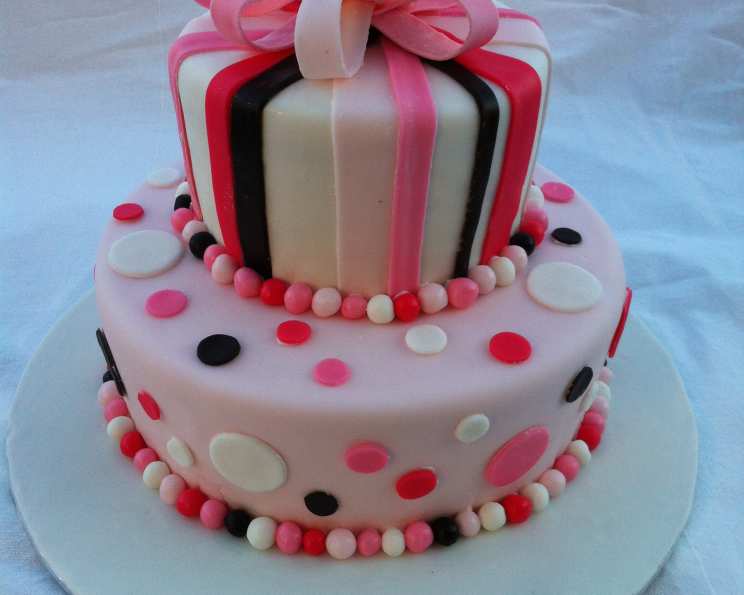
The Art of Rolled Fondant: Crafting a Smooth, Edible Canvas
There’s a certain magic in transforming a simple mixture of sugar and gelatin into a smooth, pliable sheet that can drape a cake like a satin gown. I remember my first attempts at making fondant from scratch, the sticky mess on my hands, the initial frustration, and then, that moment of triumph when it finally came together. It was worlds apart from the stiff, often crumbly store-bought versions. The satisfaction of creating a perfect, seamless covering for a special occasion cake, knowing every element was crafted with care, is something truly rewarding. This recipe has been my go-to for years, gracing countless wedding cakes and birthday celebrations, a testament to its superior taste and texture. While it’s a dream to work with, a word of caution: this recipe leans towards flavor and pliability, and if you’re aiming for intensely vibrant, deep colors, you might find it a bit more prone to crumbling than commercial alternatives, requiring a gentler hand with the food coloring.
Recipe Overview
- Prep Time: 15 minutes
- Cook Time: 30 minutes (includes dissolving gelatin and cooling)
- Total Time: 12 hours 15 minutes (includes setting time)
- Servings: 10-15 (depending on cake size and thickness)
- Yield: Sufficient to cover a 12-inch cake
- Dietary Type: Standard
Ingredients
This recipe focuses on quality and flavor, ensuring your fondant is as delicious as it is beautiful.
- 1/4 ounce unflavored gelatin
- 1/4 cup cold water
- 1/2 cup corn syrup
- 1 tablespoon glycerine
- 2 tablespoons shortening
- 1 teaspoon vanilla extract (or your flavor of choice, like almond or lemon)
- 6 cups confectioners’ sugar, sifted
Equipment Needed
While fondant making isn’t overly complex, having the right tools makes the process smoother.
- Small saucepan
- Whisk
- Heatproof bowl (if using double boiler method, though direct heat is fine if watched carefully)
- Sturdy mixing bowl
- Wooden spoon
- Measuring cups and spoons
- Plastic wrap
- Airtight container
- Clean countertop or large cutting board for kneading
- Rolling pin (preferably a smooth, non-porous one)
- Cornstarch or powdered sugar for dusting
Instructions
Crafting perfect rolled fondant from scratch is an exercise in patience and a little bit of kitchen alchemy. Follow these steps carefully, and you’ll be rewarded with a beautiful, delicious edible covering.
-
Bloom the Gelatin: In a small bowl, combine the 1/4 ounce of unflavored gelatin with 1/4 cup of cold water. Stir gently to ensure all the gelatin is moistened, then let it stand for about 5 to 10 minutes. You’ll see it thicken and become quite firm, almost like a jelly. This process is called “blooming” and is crucial for activating the gelatin’s gelling properties.
-
Dissolve and Combine Liquids: Place the bloomed gelatin mixture in a small saucepan. You’ll want to warm this mixture gently over low heat. Stir constantly until the gelatin is completely dissolved. It’s essential not to boil the gelatin, as overheating can degrade its ability to set. Once dissolved, remove the saucepan from the heat.
Next, add the 1/2 cup of corn syrup and the 1 tablespoon of glycerine to the warm gelatin mixture. Stir thoroughly until everything is well combined. -
Incorporate the Fat and Flavor: Add the 2 tablespoons of shortening to the liquid mixture. Continue to stir over very low heat, or simply by the residual heat of the saucepan, until the shortening is just about completely melted. You don’t want it piping hot, just warm enough to integrate.
As soon as the shortening is mostly melted, remove the saucepan from the heat. Stir in the 1 teaspoon of vanilla extract (or your chosen flavoring). The mixture should now be lukewarm to the touch. -
Begin Mixing the Fondant: In a large, sturdy mixing bowl, place 4 cups of confectioners’ sugar that has been sifted. Sifting is important to remove any lumps and ensure a smooth final product. Create a well in the center of the sugar.
Pour the lukewarm gelatin mixture into the well. Using a sturdy wooden spoon, begin to stir the mixture. Gradually incorporate the sugar from the sides of the well into the liquid. Continue to mix, adding more of the sifted sugar a little at a time, as the mixture thickens. You are working towards a consistency where it’s less sticky. -
Knead to Perfection: Once the mixture becomes too stiff to stir with the spoon, it’s time to use your hands. Lightly dust your hands with a generous amount of confectioners’ sugar, and also dust your work surface (your countertop or a large cutting board). Begin to knead the fondant.
Keep your hands well-dusted throughout this process. This is key to preventing the fondant from sticking to you. Continue to knead, adding the remaining sugar a little at a time, until the fondant is smooth, pliable, and no longer sticks to your hands or your work surface. The texture should be consistent, like firm playdough.- Troubleshooting: If your fondant feels too soft or sticky, gradually add more sifted confectioners’ sugar, a tablespoon at a time, kneading well after each addition. If it feels too stiff or dry, add water, but do so one drop at a time, kneading thoroughly between each drop, as too much water will make it sticky again.
-
Rest and Mature: Once your fondant is perfectly smooth and pliable, shape it into a disc or a ball. Wrap it tightly in plastic wrap, ensuring there are no air pockets. Then, place the wrapped fondant in an airtight container.
It is crucial to allow the fondant to set for at least 12 hours before you attempt to use it. This resting period allows the ingredients to fully meld and the texture to mature, making it much easier to roll out and work with. -
Rolling and Covering: When you are ready to use the fondant, prepare your workspace. Dust your table or countertop generously with cornstarch (or additional powdered sugar). Also, lightly dust your rolling pin.
Take the fondant out of its wrapper. If it feels a bit stiff from resting, you can knead it gently for a minute or two to warm it up and make it more pliable. Roll out the fondant to your desired thickness, ensuring it’s large enough to cover your cake. Carefully drape the rolled fondant over your prepared cake, smoothing it down gently and trimming any excess. This recipe will yield enough fondant to cover a 12-inch cake.
Expert Tips & Tricks
Working with fondant can be a delightful experience with a few insider tips:
- Flavor Infusion: Don’t be afraid to experiment with flavorings beyond vanilla! Almond, lemon, orange, or even a hint of peppermint can add a wonderful dimension to your fondant.
- Coloring Caution: As mentioned, this recipe is prized for its excellent flavor and pliability. When adding food coloring, especially gel or paste colors, introduce them gradually. Too much coloring, particularly red or dark hues, can sometimes affect the fondant’s moisture content and lead to a slightly crumbly texture. It’s best to add color after the initial kneading and allow it to rest again.
- Storage is Key: Always wrap fondant tightly in plastic wrap and store in an airtight container. This prevents it from drying out. Leftover fondant can be re-wrapped and stored at room temperature for several weeks.
- Reviving Stiff Fondant: If your fondant becomes a bit stiff, don’t panic! Simply knead it gently on a lightly dusted surface for a minute or two. The warmth of your hands will make it pliable again.
- Preventing Tears: When draping fondant over a cake, it’s helpful to have a cake board or a piece of parchment paper underneath the rolled fondant. This allows you to carefully lift and position it without stretching or tearing. Use a fondant smoother to achieve a flawless finish.
Serving & Storage Suggestions
Once your cake is beautifully covered with homemade fondant, it’s ready to be admired and enjoyed.
- Serving: Rolled fondant is typically left on the cake until serving. It provides a clean, smooth surface that’s a joy to cut through. You can adorn the fondant-covered cake with additional fondant decorations, edible flowers, or piping for an extra touch of elegance.
- Storage:
- Unused Fondant: Leftover fondant should be re-wrapped tightly in plastic wrap, then placed in an airtight container. Store it at room temperature for up to 2-3 weeks. Ensure it is well-sealed to prevent drying out.
- Fondant-Covered Cake: If you have leftover cake covered in fondant, it can generally be stored at room temperature in a cake carrier for 1-2 days. Fondant can absorb moisture in the refrigerator, leading to a sticky or damp finish, so refrigeration is generally not recommended unless your cake has perishable fillings that absolutely require it. If you must refrigerate, ensure the cake is very well-sealed to minimize moisture exposure, and bring it back to room temperature for at least an hour before serving to allow the fondant to firm up slightly.
Nutritional Information
While fondant is a treat and not typically analyzed for daily nutritional value, here’s an approximate breakdown based on the ingredients. Please note that actual values can vary based on exact brands and ingredient variations.
| Nutrient | Amount per Serving | % Daily Value |
|---|---|---|
| Calories | 349.8 kcal | |
| Total Fat | 2.6 g | 3% |
| Saturated Fat | 0.6 g | 3% |
| Cholesterol | 0 mg | 0% |
| Sodium | 3.3 mg | 0% |
| Total Carbohydrate | 83.7 g | 27% |
| Dietary Fiber | 0 g | 0% |
| Sugars | 74.6 g | 298% |
| Protein | 0.6 g | 1% |
Values are approximate and are calculated based on the recipe’s ingredients. Serving size is assumed to be 1/15th of the total yield.
Variations & Substitutions
While this recipe is a classic for a reason, here are a few ways you can adapt it to your needs:
- Gluten-Free: This recipe is naturally gluten-free, as it contains no gluten-containing ingredients.
- Dairy-Free: The recipe itself is dairy-free, as it uses shortening. Ensure your flavoring extract is also dairy-free.
- Flavor Swaps: As mentioned, feel free to use other extracts like lemon, orange, or even a touch of peppermint oil for a festive touch. Be mindful that potent extracts might require a slightly higher sugar ratio if the consistency is affected.
- Coloring: For very deep or vibrant colors without compromising the texture, consider using a “no-fade” food coloring specifically designed for fondant, or accept that a slightly more crumbly texture might be a trade-off for intense hues.
FAQs (Frequently Asked Questions)
Q: Why is my fondant crumbly after adding food coloring?
A: This recipe is sensitive to excessive moisture. Too much liquid food coloring, or even gel colors, can alter the fondant’s balance, leading to a crumbly texture. Try to use coloring sparingly, and allow the fondant to rest after adding color.
Q: Can I make fondant ahead of time?
A: Absolutely! The fondant needs to rest for at least 12 hours, so making it the day before you plan to use it is ideal. It can be stored at room temperature for up to 2-3 weeks.
Q: What’s the difference between fondant and frosting?
A: Fondant is a sugar paste that hardens to a smooth, firm finish, perfect for creating clean lines and sharp edges on cakes. Frosting, on the other hand, is softer and creamier, used for both covering cakes and for decorative piping.
Q: How do I get a perfectly smooth finish on my cake with fondant?
A: Ensure your cake is well-crumb coated and chilled before applying fondant. Use a fondant smoother to gently press and smooth the fondant onto the cake, working from the top down.
Q: Can I color fondant with natural ingredients?
A: While some natural colorants like beet powder or spirulina can impart color, they can also affect the fondant’s texture and flavor, and may not achieve the same vibrancy as commercial food colorings.
Final Thoughts
There’s an unparalleled sense of accomplishment that comes from covering a cake in a flawlessly smooth, homemade fondant. It’s a skill that, with a little practice and patience, will elevate your baking to a professional level. The slightly sweet, vanilla-kissed taste of this fondant is a delightful complement to any cake, far surpassing the often flavorless, waxy quality of commercial alternatives. So, gather your ingredients, embrace the process, and get ready to create edible art. I encourage you to try this recipe for your next special occasion – the joy of presenting a beautifully finished cake, knowing you made the fondant yourself, is truly a sweet reward. Don’t hesitate to share your creations and any modifications you discover!