
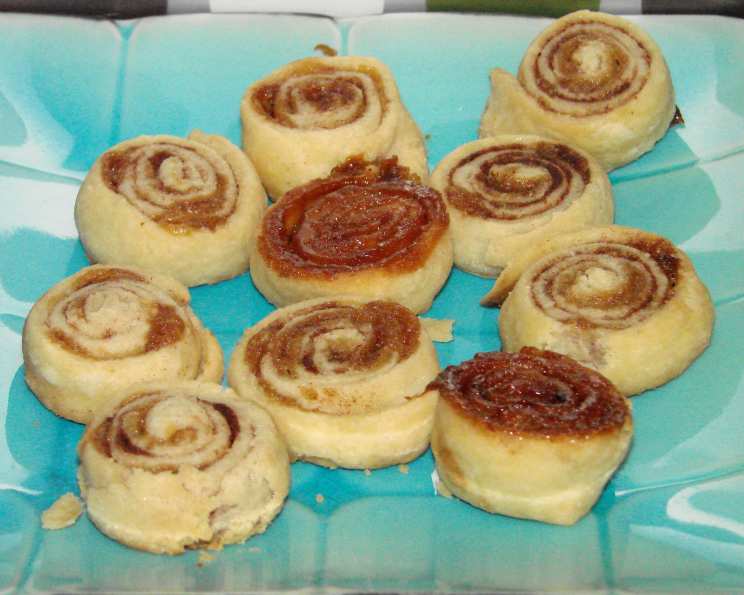
Rolly Pollies: A Taste of Nostalgia and Simple Joy
There are certain smells that instantly transport me back in time, and the sweet, buttery aroma of baking pastry is one of them. It’s the scent of my grandmother’s kitchen, a warm, bustling hub where flour dusted every surface and laughter echoed off the tiled walls. She and my mother would often make these “Rolly Pollies” using leftover pie dough, a brilliant way to transform scraps into something utterly delightful. It was never about precise measurements; it was about feeling the dough, tasting the sugar, and the shared joy of creating something delicious together, a tradition that continues to be a cherished part of our family gatherings, especially during the holidays.
Recipe Overview
- Prep Time: 20 minutes
- Cook Time: 15-20 minutes
- Total Time: 35-40 minutes
- Servings: Variable (depends on slice size and dough quantity)
- Yield: Approximately 15-20 Curls
- Dietary Type: Vegetarian
Ingredients
- Pastry dough: 1 cup (leftover from pies)
- Butter: 2 tablespoons (room temperature)
- Brown sugar: 1/2 cup
Equipment Needed
- Rolling pin
- Pastry brush (optional, for butter)
- Sharp knife or pizza cutter
- Baking sheet or pie plate
- Oven
- Cooling rack
Instructions
- Prepare the Pastry Dough: Begin by taking your leftover pastry dough from pies. On a lightly floured surface, gently roll it out as thinly as possible. The thinner the dough, the crispier and more delicate your Rolly Pollies will be. Aim for a consistent thickness throughout.
- Butter the Dough: Once rolled out, take your butter, ensuring it’s at room temperature so it spreads easily without tearing the dough. Using a pastry brush or the back of a spoon, spread a thin layer of butter evenly over the entire surface of the dough, right to the very edges.
- Sweeten with Brown Sugar: Next, take your brown sugar. Sprinkle a thin layer of brown sugar evenly over the buttered dough, again ensuring it covers the entire surface to the edges. You want a sweet, caramelized coating to form as it bakes.
- Roll into a Tube: Starting from one edge of the dough, carefully begin to roll the dough into a long tube. Try not to roll it too tightly; a slightly looser roll will allow the Rolly Pollies to separate and puff up a bit more as they bake. Continue rolling until you have a long, spiral-shaped log.
- Slice the Rolly Pollies: Using a sharp knife or a pizza cutter, slice the dough tube into bite-sized pieces. The thickness of your slices will determine the size of your Rolly Pollies, so cut them to your preference. Aim for pieces that are roughly a centimetre thick.
- Arrange for Baking: Place the sliced Rolly Pollies onto your baking sheet or into a pie plate. Leave about a centimetre or so of spacing between each piece. This allows them room to expand slightly and prevents them from sticking together.
- Bake to Golden Perfection: Preheat your oven to 325°F (160°C). Place the baking sheet or pie plate into the preheated oven and bake for 15 to 20 minutes. Keep a close eye on them, as pastry can brown quickly. They are ready when they start to turn golden brown and appear slightly puffed. If you notice them browning too rapidly, they should be removed from the oven.
Expert Tips & Tricks
The beauty of Rolly Pollies lies in their simplicity, but a few touches can elevate them. Since they’re made from leftover pastry, the quality of your original pie dough will significantly impact the final result. If your dough is a little dry, don’t be afraid to use a bit more softened butter to ensure good adhesion of the sugar. When rolling the dough, if it feels sticky, a light dusting of flour on your hands and the rolling pin can help. For an extra layer of flavor, consider adding a pinch of cinnamon or nutmeg to the brown sugar before sprinkling it over the buttered dough. This simple addition can transform the Rolly Pollies into a warmly spiced treat, perfect for cooler months.
Serving & Storage Suggestions
These Rolly Pollies are best served warm, straight from the oven, when their buttery, sugary layers are at their most delightful. They are wonderful on their own, offering a comforting and nostalgic snack. For a more elaborate presentation, consider arranging them artfully on a platter. They also pair beautifully with a cup of hot tea or coffee.
If you happen to have any leftovers (which is rare in my experience!), they can be stored in an airtight container at room temperature for up to two days. While they are most delicious fresh, they can be gently reheated in a low oven for a few minutes to regain some of their crispness. Avoid microwaving, as this can make them soggy.
Nutritional Information
| Nutrient | Amount per Serving | % Daily Value |
|---|---|---|
| Calories | 41.4 kcal | |
| Total Fat | 1.5 g | 2 % |
| Saturated Fat | 1 g | 4 % |
| Cholesterol | 4.1 mg | 1 % |
| Sodium | 15.6 mg | 0 % |
| Total Carbohydrate | 7.2 g | 2 % |
| Dietary Fiber | 0 g | 0 % |
| Sugars | 7.1 g | 28 % |
| Protein | 0 g | 0 % |
| Calories from Fat | ||
| Calories from Fat (%) | 33 % |
Note: Nutritional information is an estimate and can vary based on the specific ingredients and quantities used in the original pie dough.
Variations & Substitutions
While the classic Rolly Pollie is a testament to the magic of simple ingredients, there’s always room for creativity. For a delightful twist, try incorporating a sprinkle of finely chopped nuts, such as walnuts or pecans, along with the brown sugar. This adds a pleasant crunch and nutty depth. A dusting of cinnamon is, as mentioned, a wonderful addition, particularly if you enjoy warmer spice profiles. If you’re feeling adventurous, a very fine grating of citrus zest, like orange or lemon, can add a bright, refreshing note that cuts through the richness.
FAQs (Frequently Asked Questions)
Q: Can I make Rolly Pollies without leftover pie dough?
A: Absolutely! You can make a simple pastry dough from scratch for this recipe, or even use store-bought puff pastry for a quicker, flakier version.
Q: How do I prevent my Rolly Pollies from sticking together?
A: Ensure you leave adequate spacing (about a centimetre) between each piece when arranging them on the baking sheet or in the pie plate, and they should bake up beautifully separated.
Q: Can I add different spices to the brown sugar mixture?
A: Yes, feel free to experiment! Nutmeg, cardamom, or a touch of ginger can all add delicious warmth and complexity.
Q: My pastry dough is tearing when I roll it. What should I do?
A: Let the dough rest at room temperature for a few minutes to soften slightly. You can also try rolling it between two sheets of parchment paper to minimize sticking and tearing.
Q: How do I know when the Rolly Pollies are fully baked?
A: They should be golden brown around the edges and feel slightly firm to the touch. If they are browning too quickly, you can loosely tent them with foil.
Final Thoughts
The humble Rolly Polly, born from necessity and family tradition, is a perfect reminder that some of the most delicious treats come from the simplest of beginnings. They are a testament to the joy of baking with what you have and the enduring power of shared culinary moments. I encourage you to try these with your own family, perhaps using your favorite pie dough scraps. Share them with a warm beverage, and savor the sweet, buttery goodness. I’d love to hear about your Rolly Polly creations and any delightful variations you discover!