
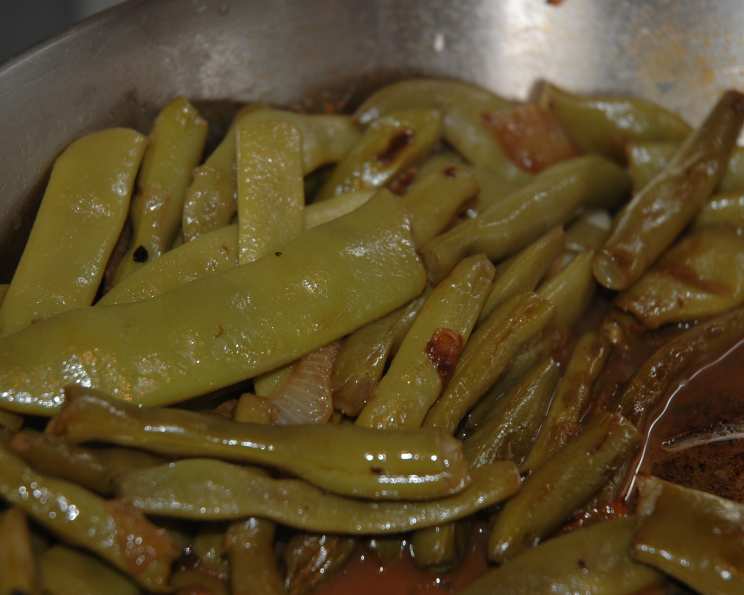
The Enduring Charm of Romano Beans: A Taste of Tradition
The summer bounty, oh, how it calls to me! This year, my garden has been exceptionally generous, overflowing with tender green beans. I’ve mastered the art of transforming the slender, classic green bean into elegant side dishes, but the Romanos, with their broad, flat presence, presented a delightful new challenge. Their robust texture and earthy flavor demand a different approach, a recipe that allows them to shine. This dish, a humble yet deeply satisfying preparation, has become my go-to for celebrating these magnificent beans. It’s a simple, rustic preparation that speaks to the heart of home cooking, evoking memories of sun-drenched afternoons and the simple pleasure of sharing good food.
Recipe Overview
- Prep Time: 15 minutes
- Cook Time: 45 minutes to 1 hour
- Total Time: 1 hour to 1 hour 15 minutes
- Servings: 4
- Yield: 1 dish of Italian Romano Beans
- Dietary Type: Adaptable (can be made vegetarian/vegan)
Ingredients
Here’s what you’ll need to bring this delightful Romano bean dish to life:
- 1 tablespoon olive oil
- 1 pound green beans (Romano, Italian type bean)
- 1/2 pound onion
- 1 1/2 cups chicken stock (for a vegetarian/vegan option, use vegetable stock)
Equipment Needed
This recipe is wonderfully straightforward and doesn’t require any specialized equipment. You’ll need:
- A large skillet or pot with a lid.
- A cutting board and a sharp knife.
- A measuring cup.
Instructions
This dish is about coaxing out the rich, deep flavors of the Romano beans and onions with a gentle simmer. Follow these steps for a truly satisfying result:
- Begin by preparing your beans. Clean them thoroughly, and then string them. This involves removing the tough, fibrous strings that run along the edges. Once strung, break the beans into bite-sized pieces. Aim for pieces that are roughly 1 to 2 inches long, ensuring they’ll cook evenly and are easy to eat.
- Next, slice your onion. You can slice it into thin half-moons or chop it roughly, depending on your preference. The goal is to have pieces that will soften and meld beautifully with the beans as they cook.
- In your large skillet or pot, heat the olive oil over medium-high heat. Once the oil is shimmering, carefully add the prepared Romano beans and the sliced onion.
- Sauté the onions and beans for about 5 to 7 minutes, stirring occasionally. You’re looking for the onions to become translucent and the beans to start to turn a brighter shade of green and develop some lovely golden-brown spots. This initial sauté helps to build a foundation of flavor.
- Once the beans and onions have begun to soften and caramelize slightly, pour in the chicken stock (or vegetable stock).
- Bring the liquid to a gentle simmer. Then, reduce the heat to low, cover the skillet or pot with its lid, and let the beans simmer.
- Allow the beans to simmer until most of the liquid has evaporated and been absorbed, which will take approximately 45 minutes to 1 hour. During this time, the beans will become tender, and the flavors will meld wonderfully. Check on them periodically to ensure the liquid isn’t evaporating too quickly, which could cause them to scorch. If it seems too dry before the beans are tender, you can add a tablespoon or two more stock or water.
- Once the beans are tender and the liquid has reduced to a rich glaze, your Italian Romano Beans are ready to serve.
Expert Tips & Tricks
To elevate your Romano bean dish from good to truly exceptional, consider these seasoned chef insights:
- Bean Selection is Key: For this recipe, it’s crucial to use Romano or Italian flat beans. Their broad, flat shape and slightly heartier texture are ideal for the long simmer, preventing them from becoming mushy. If you can only find standard green beans, they will work, but the texture will be different.
- Don’t Rush the Sauté: That initial sautéing step is more than just heating things up; it’s about developing flavor. The browning on the beans and onions adds a depth of sweetness and a lovely toasted note that you won’t achieve with just simmering.
- The Magic of Simmering: The long, slow simmer is what allows the Romano beans to become meltingly tender and for the onion to break down, creating a luscious, sauce-like consistency with the reduced stock. Don’t be tempted to rush this process by using higher heat; patience here is rewarded with incredible flavor and texture.
- Taste and Adjust: While the recipe is straightforward, always taste your dish before serving. If you prefer a bit more seasoning, a pinch of salt and freshly ground black pepper can make a world of difference.
Serving & Storage Suggestions
These Italian Romano Beans are incredibly versatile. They are fantastic served as a rustic side dish alongside roasted meats, grilled fish, or even alongside a hearty pasta or polenta. For an extra touch of flavor and visual appeal, a sprinkle of grated Parmesan cheese just before serving is an optional but highly recommended garnish.
Leftovers can be stored in an airtight container in the refrigerator for up to 3 days. To reheat, gently warm them in a skillet over low heat, adding a tablespoon of water or stock if they seem a bit dry. They can also be reheated in the microwave.
Nutritional Information
Here is an estimated nutritional breakdown for this dish:
| Nutrient | Amount per Serving | % Daily Value |
|---|---|---|
| Calories | 120.1 kcal | |
| Calories from Fat | 42% | |
| Total Fat | 4.8 g | 7% |
| Saturated Fat | 0.8 g | 4% |
| Cholesterol | 2.7 mg | 0% |
| Sodium | 137.8 mg | 5% |
| Total Carbohydrate | 16.4 g | 5% |
| Dietary Fiber | 4 g | 16% |
| Sugars | 7.5 g | 30% |
| Protein | 5 g | 9% |
Note: Nutritional values are estimates and can vary based on specific ingredients used.
Variations & Substitutions
While this recipe is beautiful in its simplicity, here are a few ideas to adapt it to your palate or pantry:
- Vegetarian/Vegan Delight: As mentioned, swapping chicken stock for vegetable stock makes this dish entirely vegetarian. For a vegan version, ensure your stock is vegetable-based and skip the optional Parmesan cheese garnish.
- Garlic Infusion: For an extra layer of savory depth, sauté a clove or two of minced garlic with the onions for the last minute of the initial sautéing process. Be careful not to burn the garlic.
- A Touch of Spice: If you enjoy a bit of heat, add a pinch of red pepper flakes along with the beans and onions during the sautéing stage.
- Herbal Notes: Fresh or dried herbs can add another dimension. A sprig of thyme or a pinch of dried oregano added during the simmer can be lovely.
FAQs
Q: Why are Romano beans different from regular green beans?
A: Romano beans are a type of flat green bean, characterized by their broad, flat pods. They have a slightly more robust texture and a distinct, earthy flavor compared to the more slender, rounder classic green bean.
Q: How do I know when the Romano beans are done cooking?
A: The beans are done when they are tender enough to be easily pierced with a fork but still retain a slight bite. The liquid should have reduced to a glaze, coating the beans and onions.
Q: Can I use frozen Romano beans?
A: Yes, you can use frozen Romano beans. You may need to adjust the cooking time slightly, as frozen vegetables can sometimes cook a bit faster. Thaw them first and pat them dry before sautéing.
Q: What makes this dish so flavorful with so few ingredients?
A: The magic lies in the combination of the naturally rich flavor of Romano beans, the sweetness of sautéed onions, and the slow simmering process. This allows the flavors to meld and concentrate, creating a deeply satisfying dish.
Q: Is it okay if there’s still a little liquid left in the pan?
A: A small amount of glaze-like liquid is desirable, as it coats the beans and adds moisture. However, you don’t want a large amount of broth; the goal is for most of the liquid to be absorbed or reduced.
Final Thoughts
This Italian Romano Beans recipe is a testament to the beauty of simple, honest cooking. It’s a dish that celebrates the natural flavors of its ingredients and brings a touch of rustic elegance to any table. I encourage you to seek out these wonderful beans and give this recipe a try. It’s a truly rewarding experience that will likely become a cherished part of your culinary repertoire. Share it with loved ones, perhaps alongside a simple roasted chicken or a vibrant tomato salad, and savor the taste of tradition.