
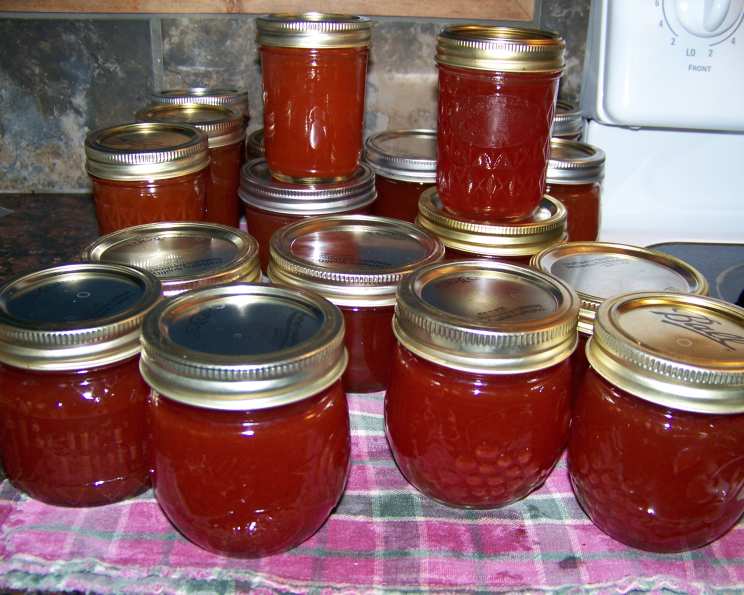
The Jewel-Toned Magic of Rose Hip Jelly
There’s a particular wildness to rose hips that has always captivated me. Growing up, my grandmother’s garden was a riot of cultivated blooms, but it was the tenacious wild roses clinging to the edges of our property, heavy with their ruby-red treasures, that truly held my fascination. I remember one crisp autumn afternoon, the air alive with the scent of damp earth and decaying leaves, when she gathered me to show me the bounty of these hardy plants. She explained, with a twinkle in her eye, how these unassuming fruits held a secret, a vibrant flavor and a touch of sunshine ready to be preserved. That day, we embarked on the slow, deliberate process of transforming those little ruby gems into a jewel-toned jelly, a taste of late autumn that would brighten our winter days. The memory of that sweet, tangy concoction, spread thick on a warm slice of sourdough, is etched into my culinary soul.
Rose Hip Jelly: A Taste of the Wild
This recipe, with its roots in the rugged beauty of the Yukon Territory, celebrates the vibrant flavor of rose hips. While the boiling process will diminish some of their famed Vitamin C content, the unparalleled taste of the wild rose remains. It’s a delightful endeavor, yielding a beautiful preserve that makes for a truly thoughtful and delicious gift.
- Prep Time: 30 minutes
- Cook Time: 30 minutes
- Total Time: 1 hour (plus time for cooling and processing)
- Servings: 6 (pint jars)
- Yield: Approximately 6 cups
- Dietary Type: Vegan, Gluten-Free, Dairy-Free
Ingredients
The magic of rose hip jelly lies in its simplicity. Gathering the hips themselves is part of the adventure, but once you have them, the rest is straightforward.
- 8 cups rose hips, fresh or frozen
- Water, enough to cover the rose hips
- 4 cups granulated sugar
- 1/2 teaspoon margarine or 1/2 teaspoon butter (optional, helps reduce foaming)
- 1 (3 3/8 ounce) envelope liquid pectin (such as Certo)
Ingredient Notes:
- Rose Hips: The best time to gather rose hips is after the first frost, as this sweetens them. Look for plump, vibrant red hips. Avoid any that are soft, moldy, or discolored. If using frozen rose hips, there’s no need to thaw them before starting.
- Liquid Pectin: This is crucial for achieving the proper set. Ensure you are using a liquid pectin and not a powdered variety, as the quantities and activation methods differ.
Equipment Needed
Beyond standard kitchen tools, a few specific items will make the process smoother.
- Large pot or Dutch oven
- Cheesecloth
- Fine-mesh sieve
- Measuring cups and spoons
- Heatproof spatula or spoon
- Sterilized pint jars with lids and rings
- Water bath canner (or a large, deep pot with a rack)
- Jar lifter
- Funnel (optional, for filling jars)
Instructions
Transforming these humble wild fruits into a shimmering preserve is a rewarding process, steeped in tradition. Take your time, enjoy the aroma, and savor the anticipation.
- Prepare the Rose Hips: Begin by removing the blossom remnant from each of the rose hips. This is the little dried tip at the bottom. If using fresh hips, you’ll also want to cut them in half and scoop out the inner seeds and fuzzy hairs. This step is a bit tedious but important for a clear jelly. If using frozen hips, you can skip the halving and scooping, as they will break down more easily.
- Simmer the Rose Hips: Place the prepared rose hips in your large pot. Add enough water to cover them. Bring the mixture to a boil over medium-high heat, then reduce the heat to low and simmer for about 10 minutes. This gentle simmering helps to soften the hips and release their juice.
- Extract the Juice: After simmering, it’s time to extract the precious juice. You can either crush the rose hips with a potato masher or meat tenderizer to help release more liquid, or for a smoother result, you can chop them in a food processor for a few pulses.
- Strain the Juice: Line a fine-mesh sieve with several layers of cheesecloth. Place the sieve over a large bowl or another pot. Carefully strain the rose hip mixture through the cheesecloth-lined sieve, pressing gently to extract as much juice as possible. Discard the solids left in the cheesecloth.
- Adjust Juice Volume: Measure the strained juice. You should aim for 4 cups of rose hip juice. If you have less, add any additional water needed to bring the juice up to the 4-cup mark. This ensures the correct sugar-to-liquid ratio for setting.
- Combine Juice and Sugar: Pour the 4 cups of rose hip juice into a clean, large pot. Add the 4 cups of granulated sugar. Stir well to dissolve the sugar.
- Boil and Add Pectin: Bring the juice and sugar mixture to a rolling boil over high heat. Once it reaches a full, vigorous boil that cannot be stirred down, add the 1/2 teaspoon of margarine (if using) and the liquid pectin.
- Boil Vigorously: Stirring constantly, bring the mixture back to a boil. Boil hard for exactly 1 minute. This is a critical step for activating the pectin and ensuring a proper set.
- Remove from Heat and Skim: Remove the pot from the heat. Use a spoon to skim off any foam that has accumulated on the surface. This will result in a clearer jelly.
- Jar and Seal: Carefully ladle the hot jelly into sterilized pint jars, leaving about 1/4 inch of headspace at the top. Wipe the rims of the jars clean with a damp cloth. Place the sterilized lids on the jars and screw on the rings until fingertip tight.
- Process in Water Bath: Place the filled jars into a boiling water bath canner. Ensure the jars are completely submerged in water by at least 1 inch. Process in boiling water for 5 minutes.
- Cool and Check Seal: After processing, carefully remove the jars from the canner using a jar lifter and place them on a towel-lined counter to cool completely. You will likely hear a “ping” sound as the lids seal. After 12-24 hours, check the seals by pressing down on the center of each lid. If a lid does not flex, it is properly sealed.
Expert Tips & Tricks
- Gathering Rose Hips: For the best flavor and color, harvest your rose hips on a crisp, dry day after the first frost. This concentrates their natural sugars.
- Seed Removal: If you find seed removal tedious, consider using a food mill or a ricer after the initial simmer. It can help separate the pulp from the seeds and hairs more efficiently.
- Achieving Clarity: For an exceptionally clear jelly, you can strain the rose hip liquid through the cheesecloth-lined sieve multiple times. Patience here pays off in visual appeal.
- Pectin Activation: Ensure your liquid pectin is not expired, as this can significantly affect the jelly’s ability to set. Always follow the pectin package instructions closely.
- Preventing Crystallization: Using a good quality granulated sugar and boiling the jelly for the prescribed time helps prevent sugar crystallization in the finished product.
Serving & Storage Suggestions
Rose hip jelly is a versatile delight. Its vibrant color and unique sweet-tart flavor make it a welcome addition to many meals.
- Serving: This jewel-toned jelly is magnificent spread on warm toast, scones, or biscuits. It pairs beautifully with cheeses, particularly sharp cheddars or creamy bries. Consider swirling it into yogurt or oatmeal for a burst of flavor, or using it as a glaze for roasted meats like duck or pork.
- Storage: Properly sealed and processed jars of rose hip jelly can be stored in a cool, dark pantry for up to a year. Once opened, refrigerate and consume within 3-4 weeks. Unopened jars that did not seal properly should also be refrigerated.
Nutritional Information
While rose hips are known for their high Vitamin C content, some of this is lost during the cooking process. The significant sugar content contributes to the calorie count.
| Nutrient | Amount per Serving (approx.) | % Daily Value |
|---|---|---|
| Calories | 729 kcal | — |
| Calories from Fat | — | — |
| Total Fat | 0.2 g | 0% |
| Saturated Fat | 0 g | 0% |
| Cholesterol | 0 mg | 0% |
| Sodium | 2.8 mg | 0% |
| Total Carbohydrate | 187.7 g | 62% |
| Dietary Fiber | 0.2 g | 1% |
| Sugars | 187.3 g | 749% |
| Protein | 0 g | 0% |
Note: Nutritional values are estimates and can vary based on the specific rose hips used and processing methods.
Variations & Substitutions
While this recipe focuses on the classic rose hip flavor, a few thoughtful variations can be explored.
- Spiced Rose Hip Jelly: Add a cinnamon stick or a few whole cloves to the simmering rose hips. Remove them before straining the juice.
- Citrus Zest: For an added brightness, stir in a teaspoon of finely grated lemon or orange zest along with the sugar.
- Other Wild Berries: While not strictly rose hip jelly, you could experiment by adding a small amount of other wild berries like elderberries or cranberries to the simmering mixture for a more complex flavor profile.
FAQs
Q: Can I use any type of rose for this jelly?
A: It’s best to use wild rose hips or hips from ornamental roses that have not been sprayed with pesticides. Species roses and rugosa roses are particularly good for jelly-making.
Q: My jelly didn’t set. What went wrong?
A: There are a few common reasons: insufficient boiling time, old pectin, or too much water added. Ensure you boil hard for the full minute and that your pectin is fresh.
Q: How do I know when the rose hips are ready to pick?
A: Rose hips are typically ready to pick after the first frost, when they are plump and a deep red or orange color.
Q: Can I freeze rose hip jelly if I don’t want to can it?
A: Yes, you can freeze rose hip jelly. Allow it to cool completely, then pour it into freezer-safe containers, leaving headspace for expansion. It will last in the freezer for up to a year.
Q: Is rose hip jelly good for me?
A: Rose hips are naturally rich in Vitamin C, antioxidants, and other beneficial compounds. While some nutrients are lost during cooking, the jelly still offers some health benefits alongside its delicious flavor.
Final Thoughts
The creation of rose hip jelly is more than just a recipe; it’s an invitation to connect with the seasons and the wild bounty that surrounds us. The process, from gathering the hips to the final pop of a sealed lid, is a testament to the simple pleasures of preserving nature’s gifts. I encourage you to embark on this delightful journey. Share your homemade rose hip jelly with loved ones, spread it on a piece of warm, crusty bread with a generous dollop of unsalted butter, or pair it with a fine cheese and a glass of sparkling cider. May its vibrant flavor bring a touch of sunshine to your table, no matter the season.