
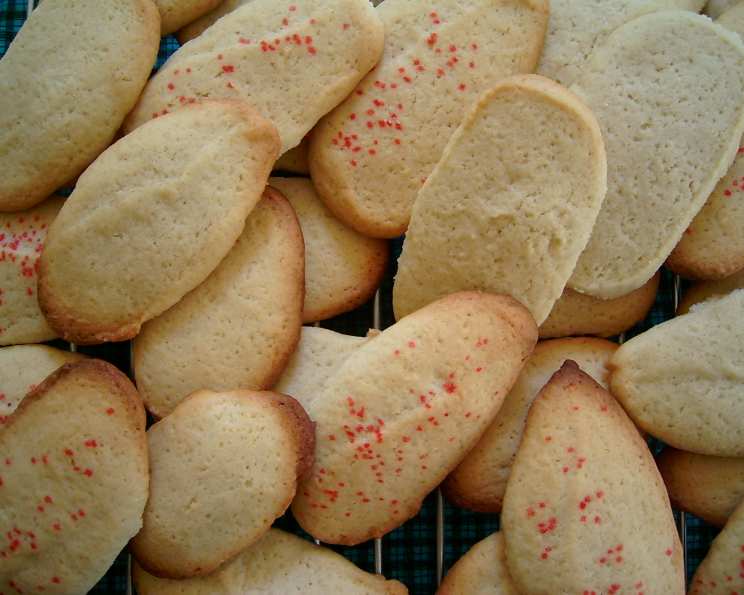
Whispers of Blossom: My Journey with Delicate Rose Water Cookies
There are certain aromas that instantly transport me back in time, conjuring vivid memories of childhood kitchens and cherished family gatherings. For me, the ethereal scent of rose water holds this power. I remember my grandmother, a woman of quiet grace and a legendary baker, occasionally making these rose water cookies. They weren’t an everyday treat, but reserved for special occasions, when the scent would fill her small, sun-drenched kitchen, a prelude to something magical. The delicate floral perfume, so subtly infused into the crisp, sweet dough, felt like a secret whispered from a blooming garden, a taste of pure, unadulterated elegance.
Recipe Overview
- Prep Time: 20 minutes
- Cook Time: 8-10 minutes per batch
- Total Time: Approximately 40 minutes (plus cooling)
- Yields: 4 dozen
- Servings: (Variable, depending on cookie size)
- Dietary Type: Vegetarian
Ingredients
This recipe relies on a few key components to achieve its delicate flavor and texture. Gather these essentials before you begin:
- 2 cups all-purpose flour
- 3/4 teaspoon baking powder
- 1/4 teaspoon salt
- 3/4 cup sugar
- 2/3 cup shortening
- 2 large eggs
- 4 teaspoons rose water
Equipment Needed
To bring these fragrant cookies to life, you’ll want to have the following on hand:
- Mixing bowls (at least two)
- Whisk or sifter
- Electric mixer (handheld or stand mixer) or a sturdy spoon for mixing
- Rolling pin
- Flat surface for rolling dough
- Cookie cutters (any desired shapes)
- Baking sheets
- Parchment paper or a silicone baking mat (optional, for easier cleanup)
- Wire cooling rack
Instructions
The process for creating these rose water cookies is straightforward, yet requires a gentle hand and attention to detail to ensure a perfect outcome.
- Begin by preheating your oven to 400°F (200°C). Ensure your oven racks are positioned in the center.
- In a medium-sized mixing bowl, sift together the dry ingredients: the all-purpose flour, baking powder, and salt. Sifting helps to aerate the flour and remove any lumps, contributing to a lighter cookie texture. Whisk these together thoroughly to ensure the leavening agent and salt are evenly distributed.
- In a separate, larger mixing bowl, cream together the shortening and sugar. If using an electric mixer, beat them on medium speed until the mixture is light and fluffy, about 2-3 minutes. This process incorporates air, which is crucial for a tender cookie. If mixing by hand, this will require a bit more effort, but the result will be just as delicious.
- Next, add the eggs, one at a time, beating well after each addition. This ensures the eggs are fully incorporated into the shortening and sugar mixture.
- Now, it’s time to introduce the star ingredient: the rose water. Add the 4 teaspoons of rose water to the wet ingredients. Mix thoroughly until everything is well combined and the aroma begins to fill your kitchen.
- Gradually add the sifted dry ingredients to the wet ingredients. Mix on low speed or by hand until just combined. Be careful not to overmix the dough at this stage, as overworking the gluten can result in tough cookies. The dough will be soft.
- Turn the dough out onto a lightly floured flat surface. Roll the dough out very thinly. Aim for a thickness of about 1/8 to 1/4 inch. The thinner the dough, the crispier the cookie will be.
- Using your floured cookie cutters, cut out shapes from the rolled dough. Gently re-roll any scraps of dough, taking care not to overwork it, and cut out additional cookies until all the dough is used.
- Arrange the cut cookies on a greased cookie sheet. If you prefer, you can line your baking sheets with parchment paper or a silicone baking mat for easier cleanup and to prevent sticking. Ensure there is a little space between each cookie to allow for even baking.
- Bake the cookies in the preheated 400°F (200°C) oven for 8 to 10 minutes. Keep a close eye on them during the last few minutes, as baking times can vary depending on your oven and the thickness of your cookies. They are ready when the edges are lightly golden brown.
- Once baked, carefully remove the cookies from the baking sheets and place them on a wire cooling rack to cool completely. This is an important step as they will continue to crisp up as they cool.
Expert Tips & Tricks
To elevate your rose water cookies from good to truly exceptional, consider these professional insights:
- Quality Matters for Rose Water: Opt for a high-quality, culinary-grade rose water. The intensity and purity of the rose flavor can vary significantly between brands, and a superior product will yield a more nuanced and delightful cookie.
- Don’t Overwork the Dough: As mentioned, overmixing can lead to tough cookies. Once the flour is incorporated, mix only until just combined. A slightly shaggy dough is preferable to a completely smooth, overworked one.
- Thin is In: For that signature crispness, roll the dough as thinly as you can manage without tearing. If the dough becomes too soft to roll, pop it in the refrigerator for about 15 minutes to firm up.
- Uniformity is Key: Try to cut your cookies to a similar thickness and size. This ensures that they bake evenly, so you don’t end up with some overbaked and others undercooked.
- Cooling is Crucial: Resist the urge to move the cookies too soon. Allow them to set on the baking sheet for a minute or two before transferring them to the wire rack. This prevents them from breaking.
Serving & Storage Suggestions
These delicate rose water cookies are a wonderful addition to afternoon tea, a sophisticated dessert, or a thoughtful homemade gift.
Serve them as is, allowing their subtle floral notes to shine. They pair beautifully with a cup of Earl Grey tea, a light white wine, or even a glass of sparkling water with a hint of lemon. For a touch of elegance, you could dust them with a very fine sprinkle of powdered sugar or a few edible dried rose petals.
Once completely cooled, store the cookies in an airtight container at room temperature. They will remain fresh and retain their crispness for up to 5-7 days. If you find they become a little soft, you can briefly re-crisp them in a low oven (around 250°F/120°C) for a few minutes.
Nutritional Information
This is an approximate nutritional breakdown. Actual values may vary based on specific ingredients and portion sizes.
| Nutrient | Amount per Serving | % Daily Value |
|---|---|---|
| Calories | 711.6 kcal | |
| Calories from Fat | 335 kcal | |
| Total Fat | 37.2 g | 57% |
| Saturated Fat | 9.4 g | 47% |
| Cholesterol | 105.8 mg | 35% |
| Sodium | 249.7 mg | 10% |
| Total Carbohydrate | 85.6 g | 28% |
| Dietary Fiber | 1.7 g | 6% |
| Sugars | 37.8 g | 151% |
| Protein | 9.6 g | 19% |
Variations & Substitutions
While the classic rose water cookie is divine, feel free to experiment with these ideas:
- Citrus Zest: Add the zest of half a lemon or orange to the dough for a bright, complementary flavor that dances with the rose.
- Almond Extract: For a different floral note, you could substitute half of the rose water with almond extract, or use a blend of both for a more complex perfume.
- Decorations: Instead of a simple cookie, try dipping half of the cooled cookie in melted white chocolate and sprinkling with chopped pistachios or dried rose petals.
- Spiced Variation: For a wintery twist, add a pinch of ground cardamom or cinnamon to the dry ingredients.
FAQs
Q: Can I use rose water that is not specifically for culinary use?
A: It’s highly recommended to use only culinary-grade rose water. Non-culinary rose water may contain additives or fragrances that are not safe for consumption and can impart an unpleasant taste.
Q: My dough is too sticky to roll. What can I do?
A: If your dough is too sticky, it may be a sign that the environment is too warm or that you’ve slightly overworked it. Try chilling the dough in the refrigerator for about 15-20 minutes until it firms up enough to handle. You can also lightly flour your rolling pin and work surface, but avoid adding too much extra flour, which can make the cookies tough.
Q: How can I achieve a really crisp cookie?
A: Rolling the dough very thinly is the most important factor for crispness. Additionally, baking them until the edges are visibly golden brown, and ensuring they are completely cooled on a wire rack, will help them achieve their final crisp texture.
Q: Can I make these cookies vegan?
A: This particular recipe relies on eggs for binding and richness, so a direct vegan substitution would alter the texture and require significant recipe adjustment. For a vegan alternative, you would typically look for recipes specifically designed with vegan egg replacers like flax eggs or commercial vegan butter and egg substitutes.
Q: How do I store these cookies to keep them crisp?
A: The key to maintaining crispness is to store them in an airtight container at room temperature once they have completely cooled. Avoid refrigerating them, as the moisture in the refrigerator can make them soft.
A Sweet Farewell
These rose water cookies are more than just a dessert; they are a sensory experience, a delicate floral symphony on the palate. They remind us that sometimes, the simplest ingredients, treated with care and intention, can create the most profound pleasures. I encourage you to bake a batch, breathe in that enchanting aroma as they bake, and savor each delicate bite. Share them with loved ones, or simply indulge in a quiet moment of delicious contemplation. May they bring a touch of timeless elegance and fragrant joy to your kitchen.